A Strategic Maritime System Under Pressure
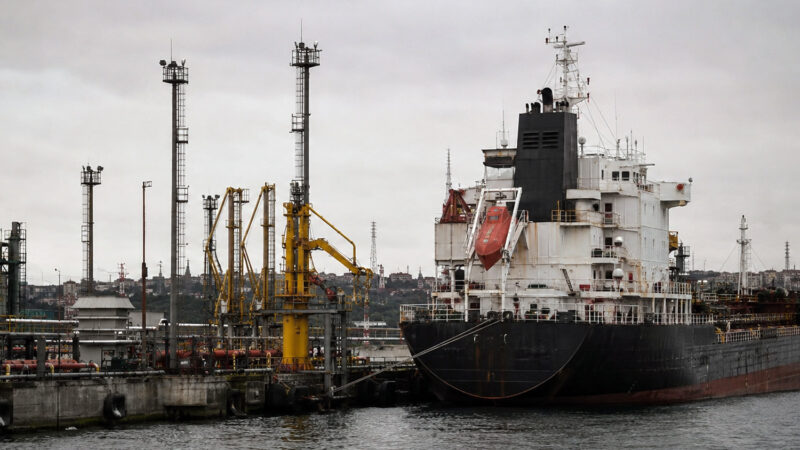
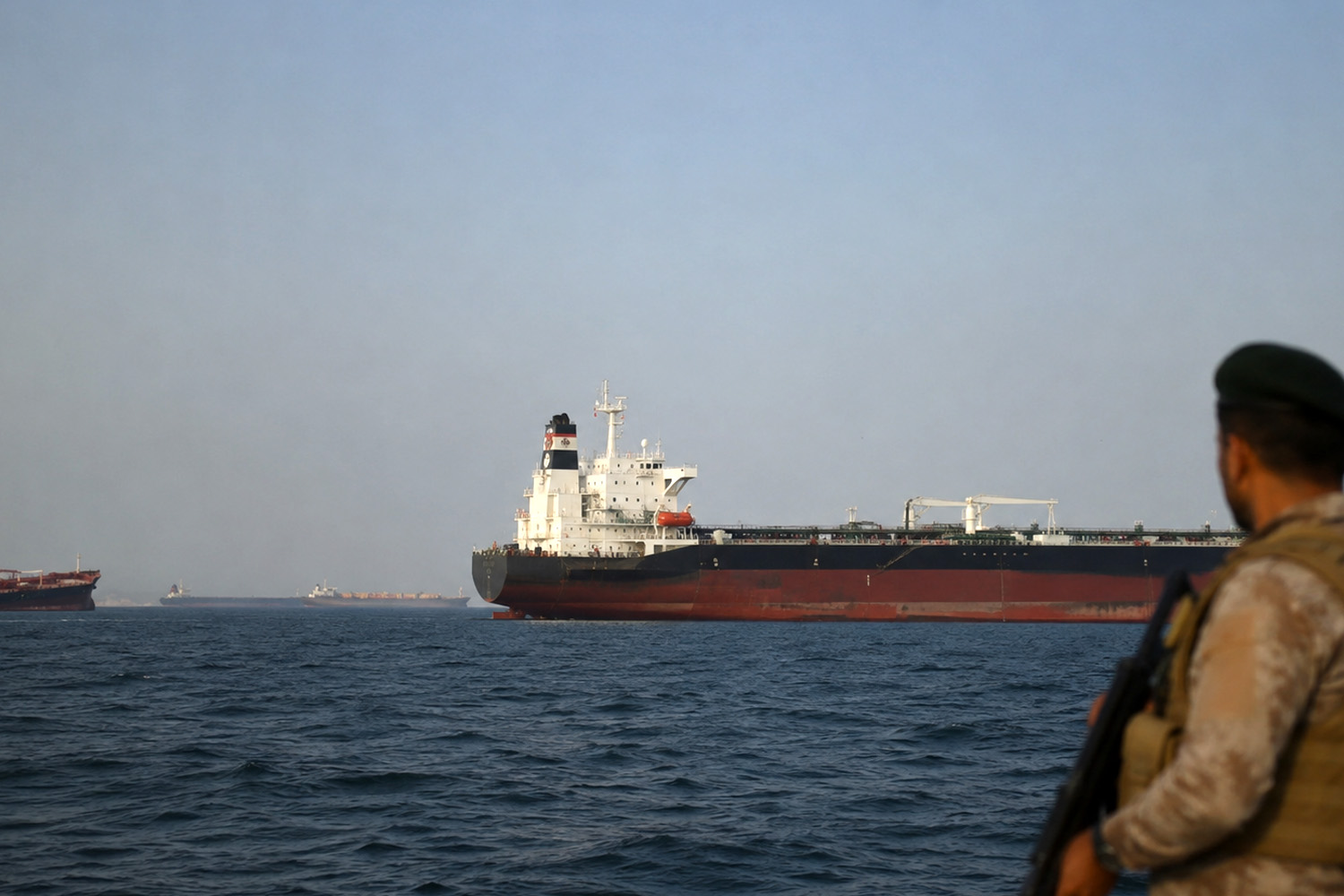
The Strait of Hormuz is not merely a geographic chokepoint-it is a central node in the architecture of global energy flows and maritime trade. Roughly one-fifth of the world’s oil passes through this narrow corridor, making it one of the most systemically important transit routes in the global economy. Any disruption in this space is not a localized event, it reverberates across energy markets, supply chains, and geopolitical alignments.
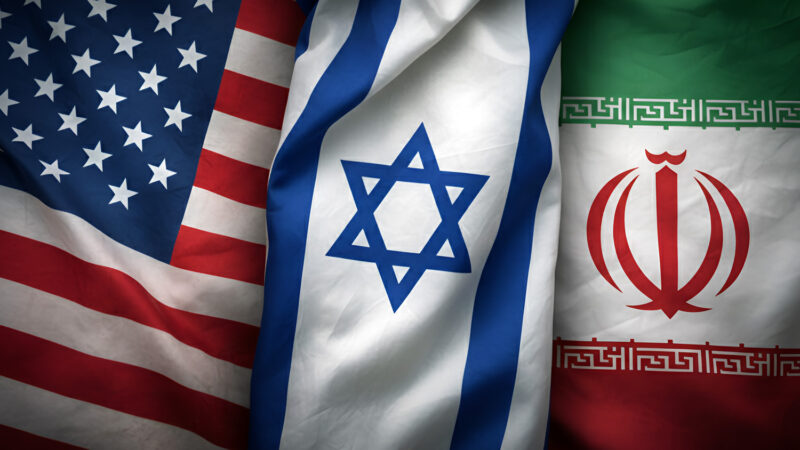
Recent developments involving the United States and Iran-including the temporary suspension of a U.S. maritime operation and the continuation of a naval blockade-highlight a deeper structural reality: the Strait is a site where military deterrence, economic interdependence, and political signaling intersect. The announcement by Mediterranean Shipping Company (MSC) of a new logistics route linking Europe, the Red Sea, and the Middle East further illustrates how private-sector actors are adapting to systemic instability rather than waiting for its resolution.
This moment is best understood not as an isolated geopolitical episode, but as part of an evolving system in which state power, institutional behavior, and global commerce continuously reshape one another.
The Systemic Nature of Maritime Tension
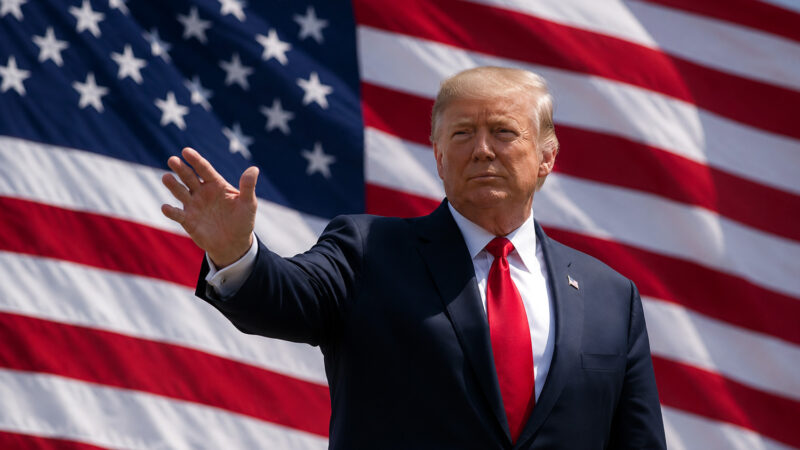
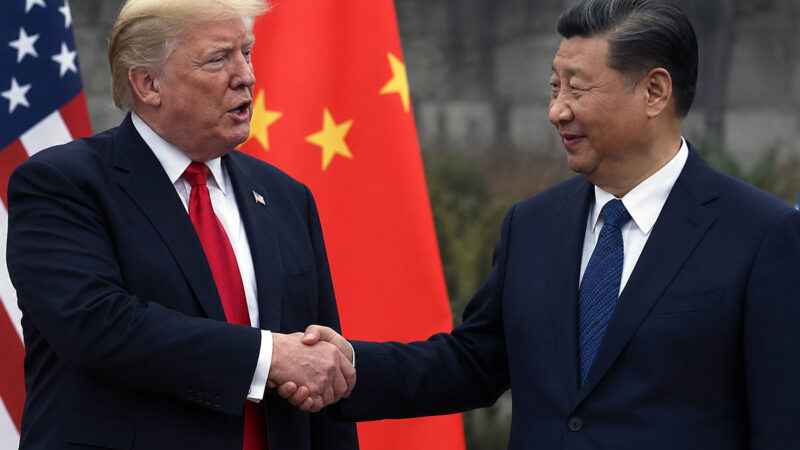
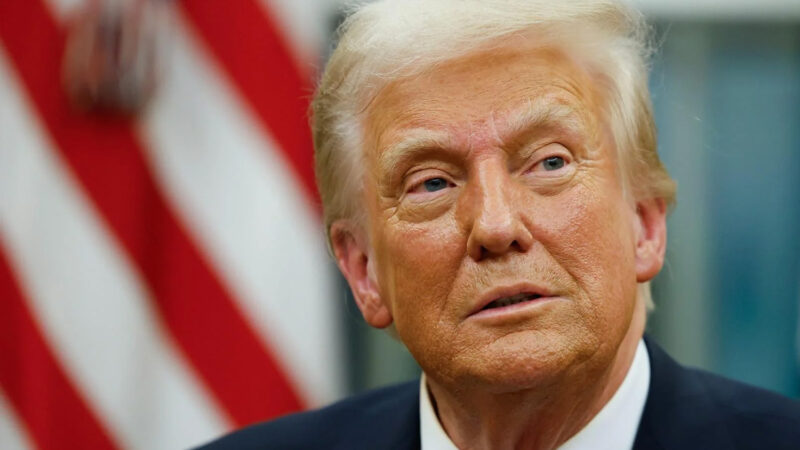
The decision attributed to Donald Trump to pause a specific maritime operation-while maintaining broader pressure mechanisms-reflects a dual-track governance approach common in high-stakes geopolitical environments. On one level, there is tactical de-escalation to create diplomatic space; on another, structural pressure remains intact to preserve leverage.
This duality is not contradictory. It is characteristic of modern statecraft, where signaling flexibility does not equate to relinquishing strategic positioning. The continuation of naval restrictions alongside negotiation signals demonstrates how institutions operate within layered frameworks: military, diplomatic, and economic tools are deployed simultaneously rather than sequentially.
For Iran, the Strait represents both vulnerability and leverage. Its geographic proximity enables it to influence maritime flows, but its economic reliance on regional stability constrains its actions. This creates a feedback loop in which both escalation and restraint are rational strategies under different conditions.
Structural Drivers: Why These Dynamics Persist
1. Geographic Determinism and Energy Dependence
The Strait’s importance is rooted in physical geography. There are limited viable alternatives for transporting large volumes of oil and liquefied natural gas out of the Persian Gulf. This creates a structural bottleneck that cannot be easily bypassed, even with diversification efforts such as pipelines or alternative shipping routes.
As long as global energy systems remain partially dependent on Gulf exports, the Strait will retain its systemic significance. This dependency ensures that even minor disruptions trigger outsized economic and political responses.
2. Asymmetric Power and Deterrence
The U.S.–Iran relationship exemplifies asymmetric conflict dynamics. The United States possesses superior conventional military capabilities, while Iran leverages geographic positioning, regional networks, and the ability to disrupt rather than dominate.
This asymmetry leads to a form of “managed instability,” where neither side seeks full-scale confrontation, but both maintain the capacity to impose costs. Maritime tensions in the Strait are a manifestation of this equilibrium: disruption is a tool of signaling, not necessarily an end in itself.
3. Institutional Layering and Policy Multiplicity
Modern governance in geopolitical hotspots operates through multiple overlapping institutions-military commands, diplomatic channels, economic sanctions regimes, and international organizations. The involvement of the White House in decision-making underscores how centralized political authority interacts with broader institutional frameworks.
This layering creates policy complexity. Decisions are rarely singular; they are bundles of actions designed to influence different audiences simultaneously-domestic constituencies, international allies, adversaries, and markets.
4. Global Supply Chain Fragility
The response by MSC reflects a broader structural shift: private-sector actors are increasingly internalizing geopolitical risk. The creation of alternative shipping routes is not merely a logistical adjustment; it is a form of decentralized governance where corporations actively reshape trade networks in response to uncertainty.
This trend has been accelerated by recent global disruptions-from pandemics to regional conflicts-which have exposed the fragility of just-in-time supply chains. Companies are now prioritizing resilience over efficiency, even at higher cost.
Institutional Behavior: Adaptation Under Uncertainty
State Actors
Governments facing instability in strategic chokepoints tend to adopt hybrid strategies combining deterrence, diplomacy, and economic measures. The U.S. approach illustrates this: maintaining a naval presence while signaling openness to negotiation.
Iran, for its part, operates within a constrained strategic environment. Its actions are calibrated to avoid triggering overwhelming retaliation while still asserting regional influence. This results in a pattern of incremental escalation and de-escalation rather than decisive confrontation.
Corporate Actors
MSC’s new Europe–Red Sea–Middle East service represents a shift in how corporations engage with geopolitical risk. Instead of relying solely on state-provided security, firms are redesigning logistical systems to reduce exposure.
This includes:
- Diversifying routes
- Increasing multimodal transport options
- Building redundancy into supply chains
Such adaptations effectively redistribute risk across the system, reducing dependence on any single chokepoint.
International Systems
While formal international organizations play a role in maritime governance, their capacity to manage high-intensity geopolitical disputes remains limited. As a result, stability in regions like the Strait of Hormuz often depends more on bilateral and informal arrangements than on multilateral enforcement mechanisms.
Societal and Governance Implications
Energy Markets and Public Impact
Disruptions in the Strait directly influence global energy prices, which in turn affect inflation, economic stability, and public welfare. This creates a linkage between distant geopolitical tensions and domestic political pressures in countries far removed from the Middle East.
Governments must therefore balance foreign policy decisions with their domestic economic consequences. Rising fuel costs can influence public opinion, electoral outcomes, and policy priorities.
Perception of Security and Trust in Institutions
Persistent instability in critical trade routes can erode public confidence in institutions’ ability to ensure economic security. When supply chains are disrupted, the effects are tangible-delayed goods, higher prices, and economic uncertainty.
This can contribute to broader societal trends, including:
- Increased demand for economic nationalism
- Skepticism toward globalization
- Support for policies emphasizing self-sufficiency
Polarization and Narrative Formation
Geopolitical tensions often feed into domestic political narratives, shaping how societies interpret international events. Competing interpretations of U.S.–Iran relations, for example, can reinforce existing political divisions within various countries.
However, from a structural perspective, these narratives are secondary to the underlying drivers: geography, energy dependence, and institutional behavior.
Long-Term Outlook: Systemic Consequences
1. Persistent Strategic Volatility
The Strait of Hormuz is likely to remain a zone of managed tension rather than stable equilibrium. Structural factors-geography, energy flows, and regional rivalries-make complete stabilization unlikely.
2. Reconfiguration of Global Trade Networks
Initiatives like MSC’s new service signal a gradual shift toward more flexible and diversified trade routes. Over time, this could reduce-but not eliminate-the centrality of the Strait.
3. Increased Role of Non-State Actors
Corporations, insurers, and logistics providers will play a growing role in shaping global trade patterns. Their decisions can mitigate or amplify the impact of geopolitical tensions.
4. Evolution of Energy Systems
Long-term reductions in dependence on Gulf oil-through renewable energy and alternative sources-could alter the strategic importance of the Strait. However, this transition is gradual and uneven, ensuring continued relevance in the near to medium term.
5. Hybrid Governance Models
The interplay between state and non-state actors will define future governance of critical infrastructure. Maritime security, in particular, will increasingly rely on a combination of military presence, private-sector adaptation, and informal coordination mechanisms.
A System Defined by Interdependence and Constraint
The situation in the Strait of Hormuz illustrates a broader reality of contemporary geopolitics: power is exercised within systems of interdependence. The United States and Iran, despite their adversarial relationship, are both constrained by the same structural factors that make the Strait indispensable.
Policy decisions-such as suspending operations while maintaining pressure-are not isolated choices but components of a larger strategic framework. Similarly, corporate responses like MSC’s route expansion are not merely commercial decisions; they are adaptive mechanisms within a volatile system.
Ultimately, the Strait of Hormuz is less a flashpoint than a structural constant-a place where global trade, regional politics, and institutional behavior converge. Understanding its dynamics requires moving beyond events to examine the systems that sustain them.
Related Analysis:
Middle East Escalation: Strategic Dynamics and Global Impact