Europe’s geopolitical landscape is undergoing a subtle but consequential transformation. Political developments in Central and Eastern Europe-particularly in Hungary-are increasingly intersecting with broader trends: the recalibration of Russian influence, the resilience of democratic opposition movements, and the evolving posture of the United States toward the region.
The emergence of Peter Magyar as a prominent political force in Hungary has become a focal point in this transformation. While not yet representing a full transfer of power, his rapid rise signals a shift in domestic political dynamics that carries implications far beyond Hungary’s borders.
A Changing Political Landscape in Hungary
Hungary has, for over a decade, been governed by Viktor Orbán and his party, Fidesz. During this period, the country has been frequently cited in discussions about democratic backsliding within the European Union.
The appearance of Peter Magyar as a credible opposition figure reflects growing domestic dissatisfaction across segments of Hungarian society. His political positioning-framing himself as a reformist insider-turned-critic-has resonated with voters seeking institutional accountability without necessarily embracing traditional opposition parties.
Rather than representing a sudden political rupture, this development should be understood as part of a gradual reconfiguration of Hungary’s political equilibrium. It suggests that even in entrenched systems, internal fractures and public sentiment can create openings for new actors.
Russia’s Influence in Europe: A Gradual Decline
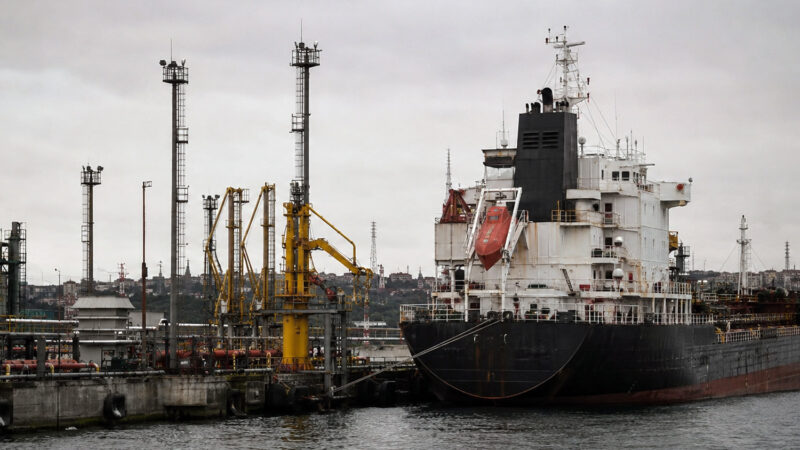
Hungary’s political dynamics cannot be separated from the broader question of Russian influence in Europe. For years, Russia has sought to maintain political, economic, and energy ties with several European states, including Hungary.
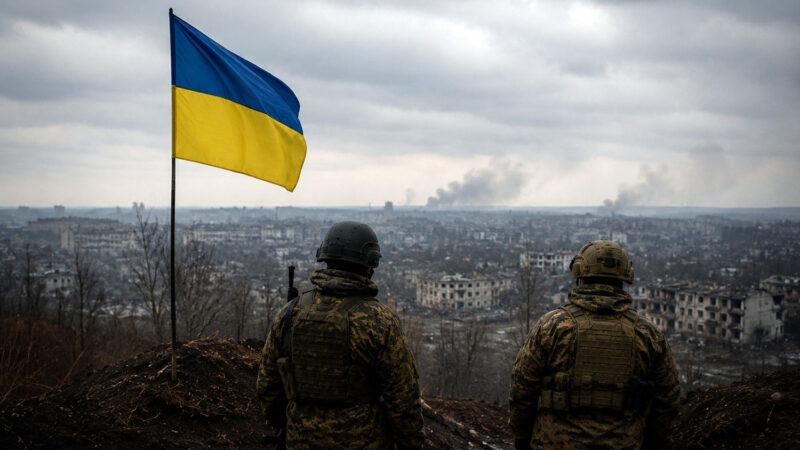
However, since the Russian invasion of Ukraine, Europe has undergone a significant strategic shift:
- Energy dependence on Russia has been reduced
- Political tolerance for pro-Kremlin positions has declined
- Security cooperation within NATO and the EU has intensified
Hungary has often occupied a unique position within this context, maintaining relatively pragmatic relations with Moscow compared to other EU members. This has included energy agreements and a more cautious approach to sanctions.
Yet, the rise of new political voices-such as Magyar-suggests that this positioning is no longer uncontested domestically. Even incremental political change in Hungary could alter the balance of influence within the EU, particularly on issues requiring consensus.
Strategic Implications
1. EU Cohesion and Decision-Making
Hungary has played a pivotal role in EU decision-making processes, particularly in areas requiring unanimity. Its stance has occasionally slowed or complicated collective responses to Russia.
A shift in Hungary’s political direction-even partial-could have measurable effects on EU cohesion. If domestic politics begin to favor closer alignment with broader European policies, it may reduce internal friction within the bloc.
2. The Symbolic Dimension of Political Change
The importance of Magyar’s rise is not solely institutional-it is also symbolic. It reflects the persistence of political pluralism even in systems where power has been highly centralized.
For other countries in the region, this development may reinforce the idea that political alternatives remain viable. This has implications for democratic resilience across Central and Eastern Europe.
3. Russia’s Strategic Setback
From Moscow’s perspective, influence in Europe has historically relied on a combination of energy leverage, political relationships, and economic ties.
As these channels weaken, Russia’s ability to shape European political outcomes diminishes. Even in countries where relationships have been relatively stable, internal political changes can disrupt established patterns.
Hungary has been one of the few EU countries maintaining a relatively balanced relationship with Russia. Any shift in that posture would further narrow Moscow’s influence within the EU.
The United States: Watching and Responding
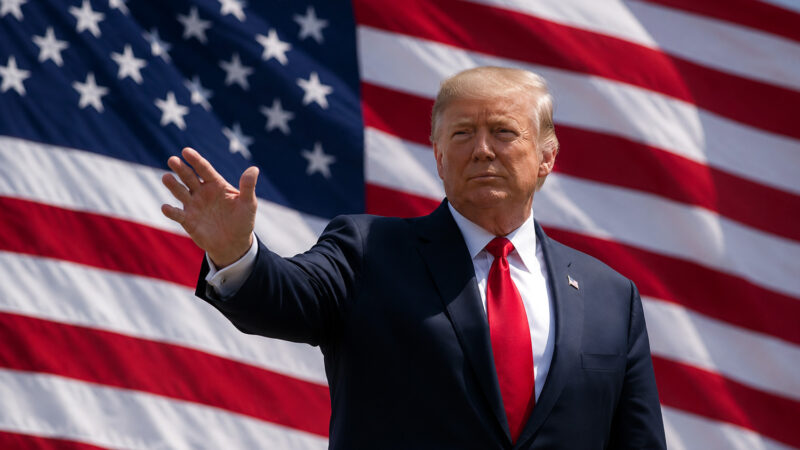
The United States has consistently monitored political developments in Central Europe, viewing the region as strategically important within the transatlantic alliance.
Under recent administrations, Washington has emphasized:
- Democratic governance
- Rule of law
- Alignment with NATO objectives
While the U.S. has generally avoided direct intervention in domestic European politics, it has expressed support for democratic institutions and processes.
In the context of Hungary, U.S. reactions have tended to focus on broader principles rather than individual political actors. However, shifts in Hungary’s political landscape are likely to be interpreted through the lens of:
- NATO cohesion
- EU stability
- The broader effort to counter Russian influence
A Hungary more aligned with EU and NATO consensus positions would be seen in Washington as reinforcing transatlantic unity.
Broader European Trends
Hungary’s evolving political dynamics are part of a wider European pattern. Across the continent, several trends are converging:
- Reassessment of External Dependencies
The war in Ukraine has accelerated Europe’s efforts to reduce reliance on external actors, particularly in energy and security. - Rebalancing of Political Systems
In multiple countries, political systems are experiencing pressures that lead to the emergence of new movements or actors. - Strengthening of Institutional Frameworks
The EU has increasingly used legal and financial mechanisms to enforce compliance with its core principles.
Within this context, Hungary represents a case study in how national politics intersect with supranational governance.
Global Context: Beyond Europe
The implications of these developments extend beyond Europe. The relationship between the EU, the United States, and Russia remains a central axis of global geopolitics.
- For the U.S., a more cohesive Europe strengthens the Western alliance
- For Russia, diminishing influence in Europe limits strategic options
- For the EU, internal alignment enhances its capacity to act as a global actor
Hungary’s political trajectory, while a single national case, feeds into these larger dynamics.
Incremental Change, Structural Impact
The rise of Peter Magyar does not, by itself, represent a decisive political transformation in Hungary. However, it signals the possibility of change within a system that has appeared stable for years.
When viewed alongside the broader decline of Russian influence in Europe and the strategic priorities of the United States, this development takes on greater significance.
The key takeaway is not that a single political figure will redefine Hungary’s direction overnight, but that the conditions for political and geopolitical realignment are evolving. In a region where domestic politics and international strategy are deeply interconnected, even incremental shifts can produce meaningful long-term effects.
Europe’s political landscape is not static. Hungary’s experience illustrates how internal dynamics, external pressures, and global trends converge-reshaping the balance of influence in ways that extend far beyond national borders.