Strategic Context
Since joining NATO in 1952, Turkey has occupied a unique geopolitical position: geographically bridging Europe and the Middle East, militarily central to the Alliance’s southeastern flank, and politically navigating between Western institutions and regional autonomy.
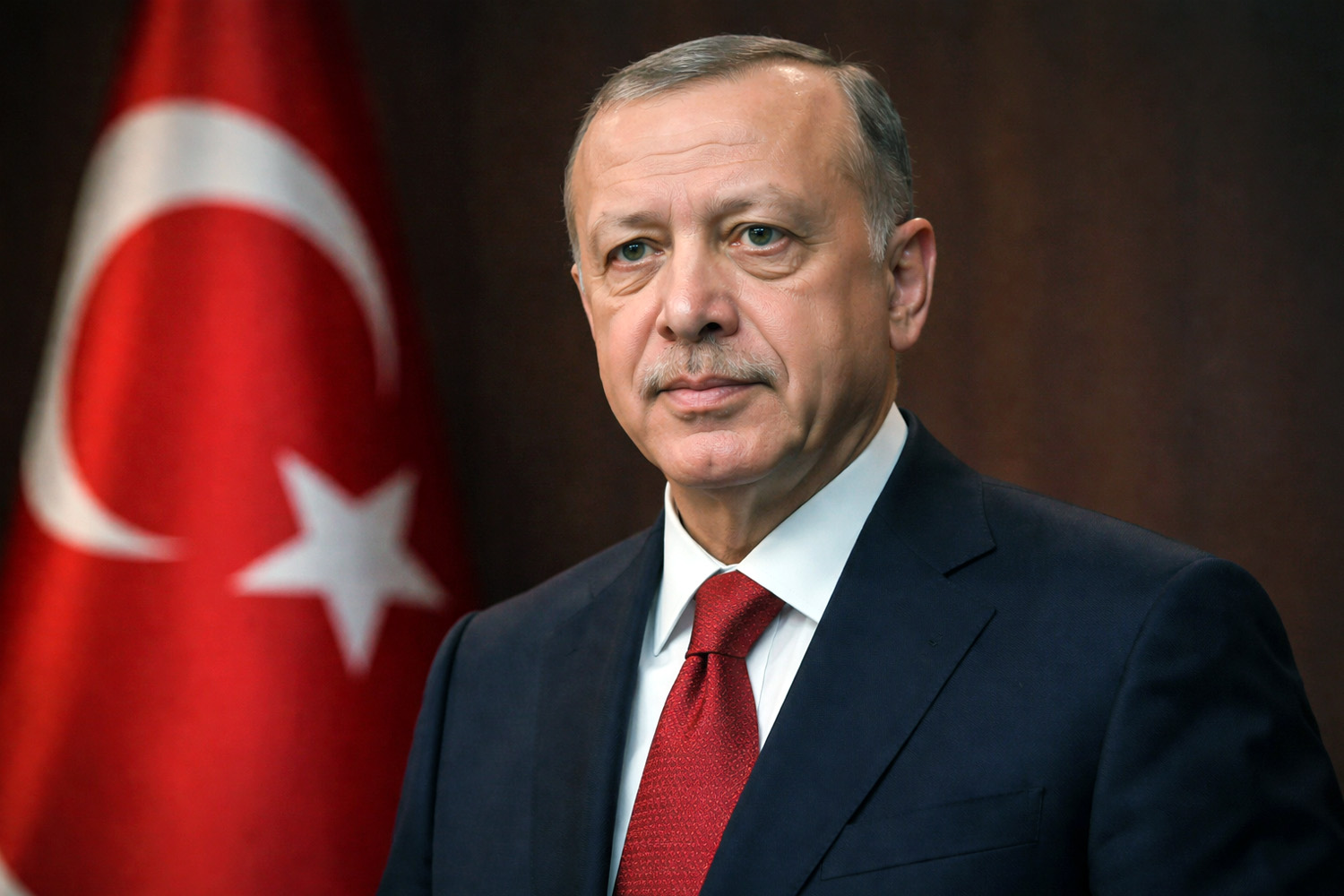
In recent years, Ankara’s foreign policy under President Recep Tayyip Erdogan has increasingly reflected a multi-vector approach – maintaining NATO membership while pursuing independent diplomatic and security initiatives across the Middle East, Russia, and Asia.
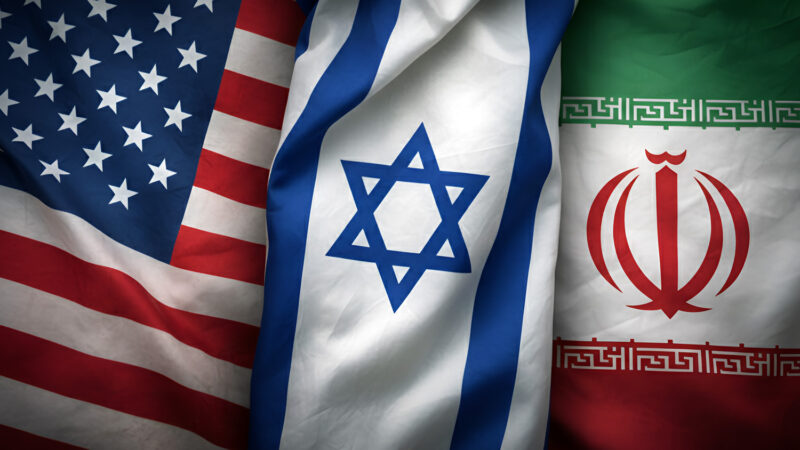
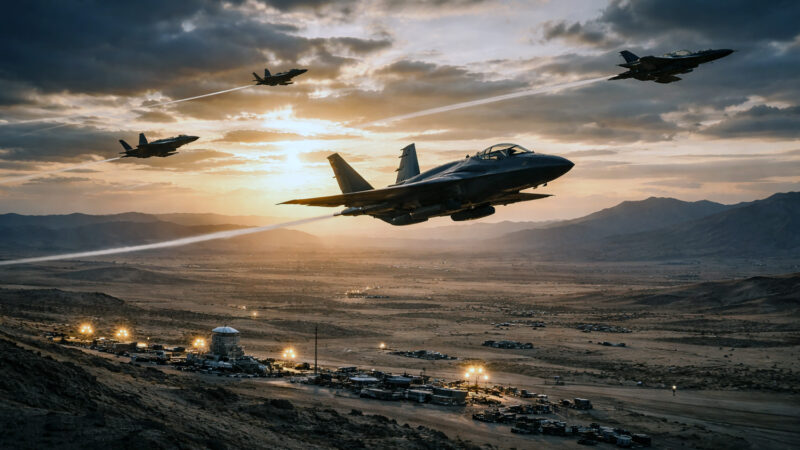
The escalation of conflict involving the United States, Israel, and Iran – and Ankara’s sharp reaction to it – has once again brought into focus the question of Turkey’s strategic alignment and the broader cohesion of Western alliances.
What Happened
Following the reported assassination of Ali Khamenei amid U.S. and Israeli military operations, President Erdogan publicly condemned the strikes. He described the attacks as a “blatant violation of international law” and criticized what he characterized as military aggression that risks setting the region “in flames.”
Erdogan’s rhetoric included references to “state terrorism,” framing the attack on the leader of a sovereign state as destabilizing and unlawful. While Turkey did not signal direct military involvement, the language used by its leadership was notably critical of U.S. and Israeli actions.
The reaction reflects Ankara’s broader diplomatic posture: publicly opposing escalatory military actions in the region while avoiding formal rupture with its NATO allies.
Why It Matters
Turkey’s response is significant on several levels.
1. NATO Cohesion Under Strain
NATO operates on the principle of collective defense, but it does not require uniformity in foreign policy rhetoric. Turkey’s criticism of U.S. and Israeli actions highlights internal divergences within the Western alliance.
Ankara remains a strategic military partner – hosting NATO infrastructure and playing a role in Black Sea security – yet its regional posture increasingly emphasizes autonomy. This divergence underscores a broader reality: NATO unity does not necessarily translate into consensus on Middle Eastern policy.
2. Regional Positioning Strategy
Turkey’s condemnation aligns with its broader effort to position itself as a regional stabilizer and mediator. Ankara has historically sought to maintain channels with Tehran while also cooperating with Western capitals.
By criticizing escalation, Turkey reinforces its image as an independent actor capable of dialogue with multiple sides. This approach enhances Ankara’s diplomatic leverage but also raises questions among Western policymakers about alignment consistency.
3. The Fragmentation of Middle Eastern Alignments
The conflict has revealed varied responses across the region.
- Some Gulf states prioritize de-escalation, concerned about economic exposure and infrastructure vulnerability.
- Others quietly coordinate security measures with Western partners.
- Non-state actors aligned with Iran recalibrate their posture in light of direct confrontation.
Turkey’s position reflects neither full endorsement of Iran nor unconditional support for Western military actions – instead highlighting the increasingly multipolar character of regional diplomacy.
Market / Financial / Sector Impact
Geopolitical divergence within NATO can influence markets indirectly through policy uncertainty.
Energy Markets:
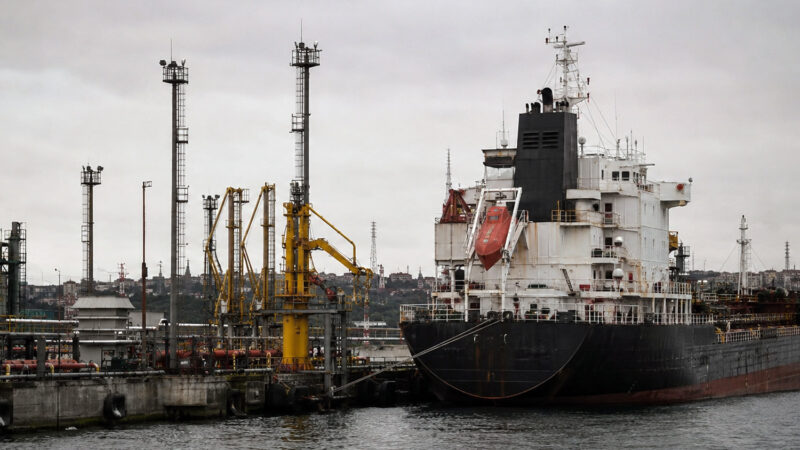
Turkey’s geographic role as an energy transit hub linking Europe and Asia amplifies its importance during Middle East crises. Any instability that affects transit routes or regional production impacts European energy security calculations.
Defense and Procurement:
Alliance tensions may shape procurement choices and defense industrial cooperation. Turkey’s past decisions regarding missile defense systems have already illustrated how security alignment can intersect with industrial policy.
Investment Climate:
Political positioning influences investor perception. A balanced diplomatic posture can attract regional investment flows, while prolonged instability may raise risk premiums.
Competitive Landscape
The broader confrontation between the United States, Israel, and Iran has clarified global alignments:
- Western governments largely emphasize deterrence and security assurances.
- Regional states weigh security cooperation against economic vulnerability.
- Major global powers outside the Western bloc monitor developments through the lens of energy supply and strategic leverage.
Turkey’s role sits at the intersection of these dynamics. It remains institutionally anchored in NATO while maintaining pragmatic ties across competing blocs.
Risks & Uncertainties
Several uncertainties shape the strategic outlook:
Alliance Fracture Risk:
Persistent rhetorical divergence could strain trust within NATO, even if formal commitments remain intact.
Regional Escalation:
If conflict expands geographically, Turkey may face pressure to clarify its operational stance.
Domestic Political Calculus:
Foreign policy rhetoric often reflects internal political considerations, which may evolve over time.
Energy and Trade Exposure:
Turkey’s economy is sensitive to regional trade routes and energy flows, creating material incentives for de-escalation.
Bigger Trend Implications
The episode illustrates three broader global trends.
First, alliances are becoming more flexible and less ideologically uniform. Member states increasingly pursue national strategic autonomy while remaining within formal blocs.
Second, Middle Eastern geopolitics is entering a multipolar phase. Regional actors no longer align strictly along Cold War-style binaries; instead, they adopt issue-based positioning.
Third, conflicts increasingly test institutional resilience. NATO’s durability may depend not on complete policy agreement but on its ability to manage internal diversity without strategic fragmentation.
Conclusion
Turkey’s reaction to the U.S.–Israel–Iran confrontation underscores the evolving complexity of alliance politics in a multipolar world. While Ankara remains a NATO member, its assertive rhetoric and regional balancing strategy reflect a broader shift toward strategic autonomy.
The conflict has exposed not only military fault lines but also diplomatic and ideological divergences – revealing a Middle East and a Western alliance structure that are both more interconnected and more fragmented than in previous eras.
Related Analysis:
U.S. Escalation Strategy Toward Iran Analyzed
Iran’s Leadership Shift: Succession and Regional Impact