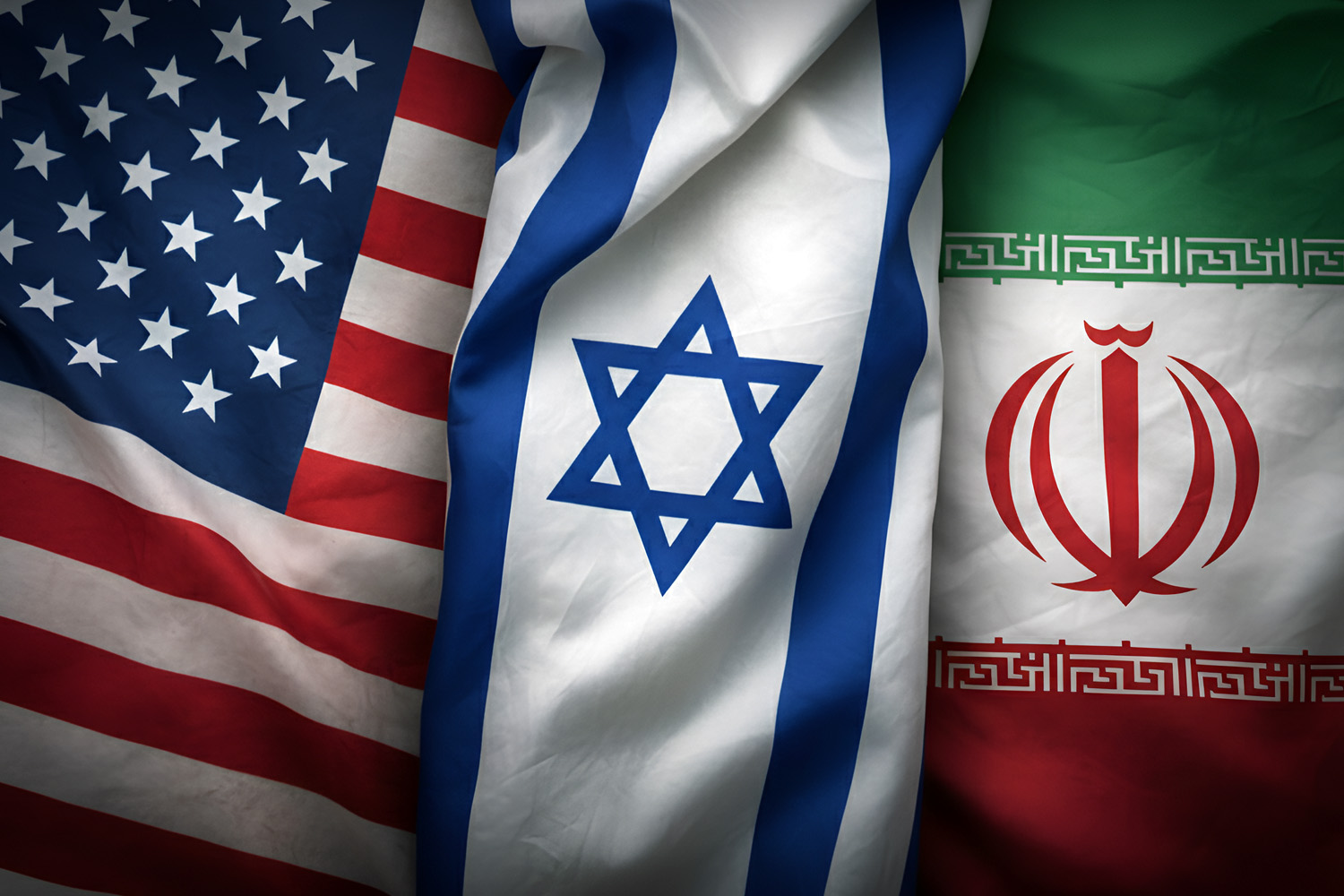
Introduction: A Rapid Escalation with Global Consequences
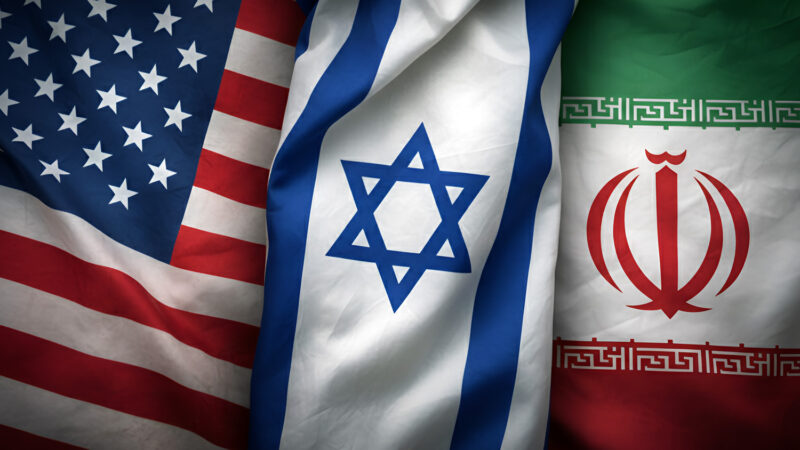
The past week has marked a significant escalation in tensions between the United States, Israel, and Iran, transforming an already fragile regional balance into a high-risk geopolitical confrontation. While information remains fluid and, in some cases, contested, a consistent pattern has emerged: coordinated military pressure on Iran, retaliatory signaling from Tehran, and widening economic and political consequences beyond the immediate theater.
This is not merely a regional conflict. Its implications extend to global energy markets, international alliances, and the long-term structure of deterrence in the Middle East.
Military Developments: Targets, Capabilities, and Tactical Messaging
US Operations and Strategic Targets
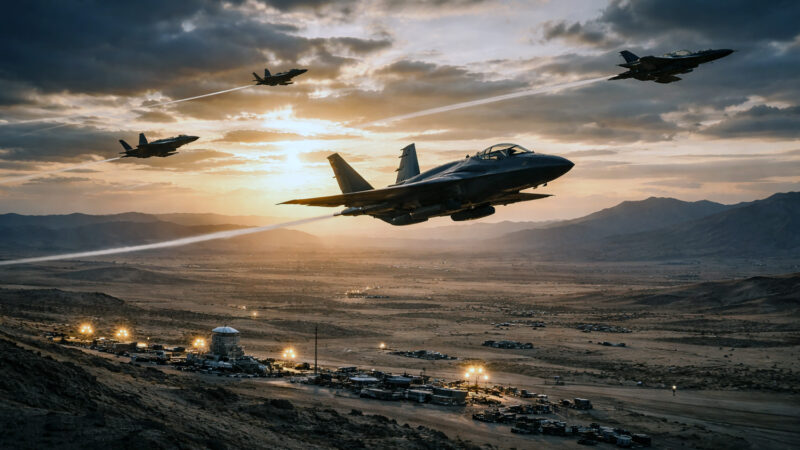
Reports over the past week indicate that the United States has conducted strikes on what it describes as “strategic infrastructure” within Iran. These reportedly include:
- Military logistics hubs
- Missile storage or launch-related facilities
- Infrastructure linked to Iran’s regional proxy networks
However, the precise scope and effectiveness of these operations remain difficult to independently verify. What is clearer is the strategic intent: to degrade Iran’s capacity to project power regionally without immediately triggering full-scale war.
Israeli Air Campaign
Israel’s role has been more overt in targeting:
- Suspected weapons transfer routes
- Air defense systems
- Facilities linked to Iran’s military-industrial complex
Israeli strikes appear consistent with its long-standing doctrine of preemptive action against perceived existential threats. The operational pattern suggests an effort to limit Iran’s ability to respond asymmetrically through regional allies.
Iran’s Response
Iran has responded through a combination of:
- Limited direct retaliatory actions
- Increased military readiness
- Indirect signaling via allied groups in the region
Tehran’s approach reflects a calibrated strategy: demonstrating capability without crossing thresholds that would justify a full-scale invasion. This restraint, however, may be temporary depending on further developments.
Political Signaling: Leadership Statements and Strategic Narratives
United States and Israel
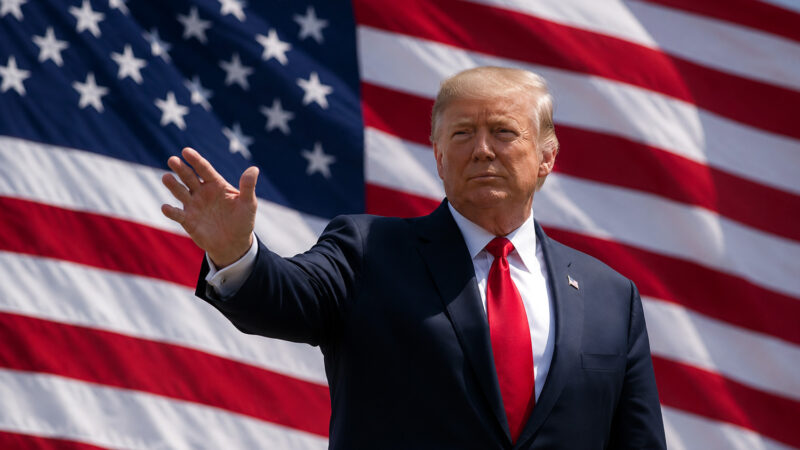
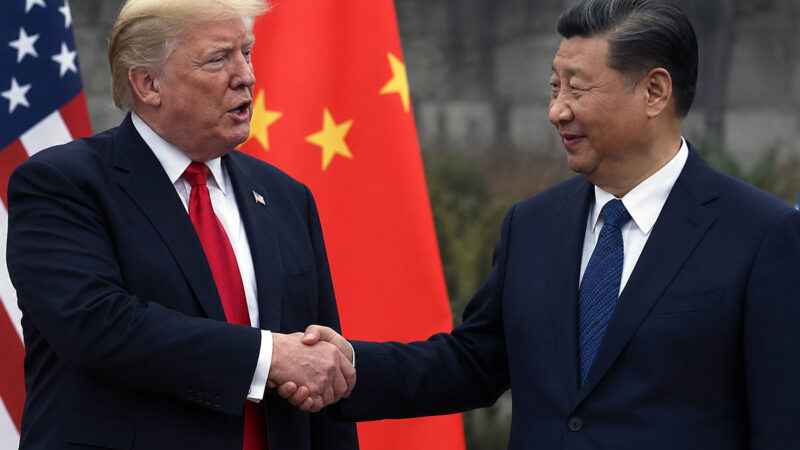
Statements from US leadership emphasize deterrence and security objectives, framing actions as necessary to prevent broader instability. There has also been rhetoric suggesting long-term strategic interests, including references by Donald Trump to the importance of Iranian oil resources-highlighting the intersection of security and energy policy.
Israeli leadership has reiterated its position that it will act independently if necessary to neutralize threats, reinforcing its doctrine of strategic autonomy.
European Union
A key development is the extension of European Union sanctions on Iran until April 2027. This signals:
- Continued alignment with pressure-based strategies
- Limited appetite for immediate diplomatic normalization
- A long-term containment approach rather than rapid resolution
Gulf States and Regional Actors
Unconfirmed but widely circulated reports suggest that the United Arab Emirates may be taking measures such as:
- Freezing Iranian-linked assets
- Reviewing or revoking residency statuses
If substantiated, these actions would indicate a tightening regional economic stance against Iran, reflecting growing alignment with Western pressure mechanisms.
Economic and Strategic Pressure Points
Strait of Hormuz: A Critical Lever
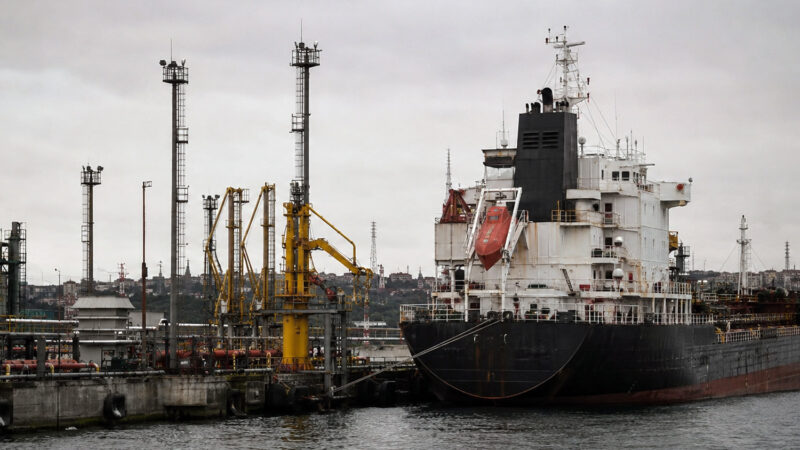
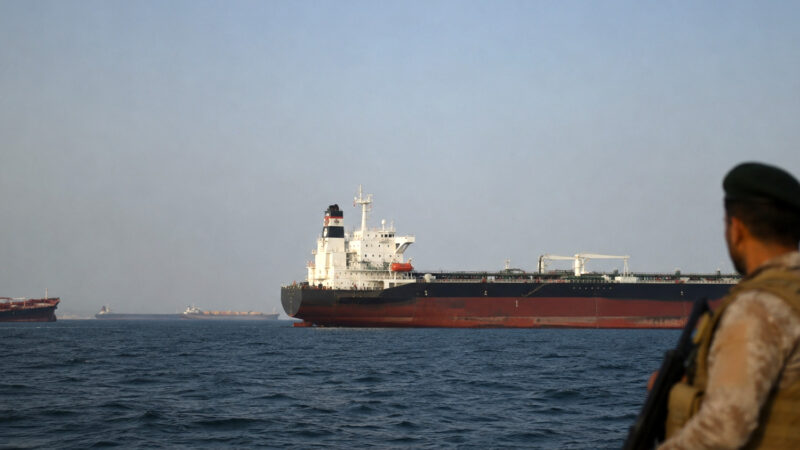
One of the most significant developments is Iran’s reported intention to impose a mandatory toll in the Strait of Hormuz. This waterway is one of the most critical النفط transit routes globally.
Potential implications include:
- Increased shipping costs and insurance premiums
- Disruptions to global oil supply chains
- Heightened naval tensions in the region
Even the discussion of such a policy acts as a strategic signal, reminding global markets of Iran’s ability to influence energy flows.
Energy Markets and Strategic Interests
Statements emphasizing interest in Iranian oil highlight a broader reality: control over energy resources remains central to geopolitical strategy. Any sustained disruption in Iran’s oil sector could:
- Reconfigure global supply chains
- Increase reliance on alternative producers
- Intensify competition among major powers
Ground Operation Speculation: Signals vs. Reality
There is growing discussion around the possibility of US preparation for ground operations in Iran. However, it is critical to distinguish between:
- Operational readiness: Military planning and positioning
- Political intent: Actual decision to initiate large-scale invasion
Historically, signals of readiness often serve as deterrence rather than immediate indicators of action. A ground operation in Iran would represent a major escalation with unpredictable consequences, including:
- Prolonged conflict
- Regional destabilization
- Significant economic disruption
At present, available information does not conclusively confirm imminent ground operations, but the signaling itself is strategically meaningful.
Global Implications: Beyond the Immediate Conflict
Shift Toward Multipolar Tension
This conflict reflects a broader trend in international relations:
- Increasing fragmentation of global alliances
- Reduced effectiveness of multilateral diplomacy
- Greater reliance on unilateral or coalition-based action
Normalization of Economic Warfare
Sanctions, asset freezes, and financial restrictions are no longer supplementary tools-they are central instruments of geopolitical strategy.
Risk to Global Trade Stability
With critical chokepoints like the Strait of Hormuz under potential pressure, global trade systems face heightened vulnerability. This has implications not only for energy but for:
- Shipping routes
- Insurance markets
- Supply chain resilience
Conclusion: Strategic Uncertainty and Controlled Escalation
The past week’s developments illustrate a pattern of controlled escalation. Each actor appears to be operating within defined limits:
- The United States and Israel aim to weaken Iran’s capabilities without triggering full-scale war
- Iran seeks to demonstrate resilience while avoiding overwhelming retaliation
- Regional and global actors are aligning economically and politically without direct military involvement
However, the margin for miscalculation remains narrow.
The broader significance lies not only in the immediate conflict but in what it represents: a shift toward persistent, multi-domain confrontation combining military action, economic pressure, and strategic signaling.
In this environment, stability is no longer defined by the absence of conflict, but by the management of continuous tension.