Strategic Context
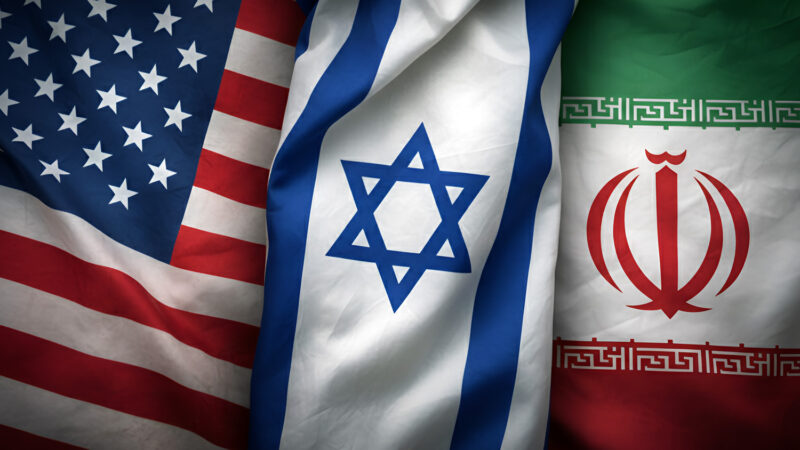
The confrontation between the United States and Iran has evolved over decades, shaped by sanctions, proxy conflicts, missile development, and regional rivalries. In recent years, tensions have intensified amid concerns about Iran’s expanding missile arsenal and drone capabilities, as well as its network of allied non-state actors across the Middle East.
Against this backdrop, statements from senior U.S. officials outlining the possibility of more severe military actions signal a potential shift from limited tactical operations toward a more sustained strategic campaign. Such rhetoric is not merely political messaging – it reflects underlying calculations about deterrence, capability gaps, and long-term regional balance.
What Happened
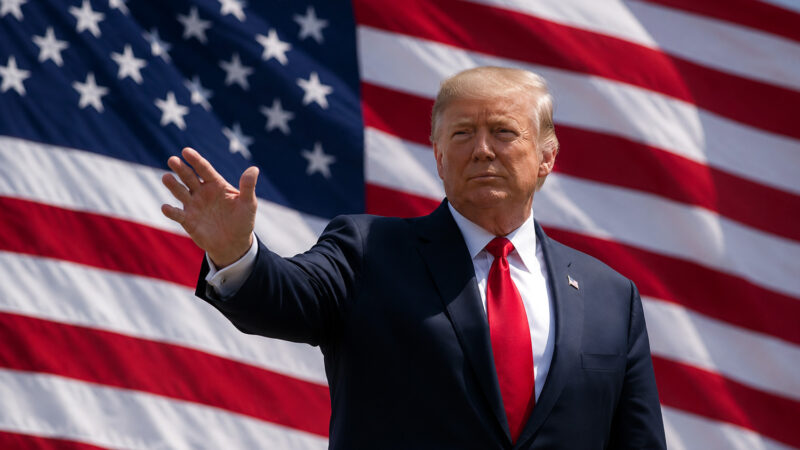
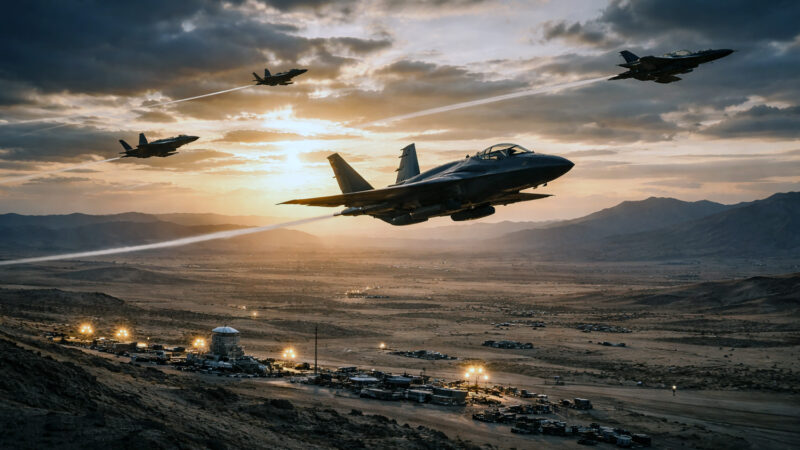
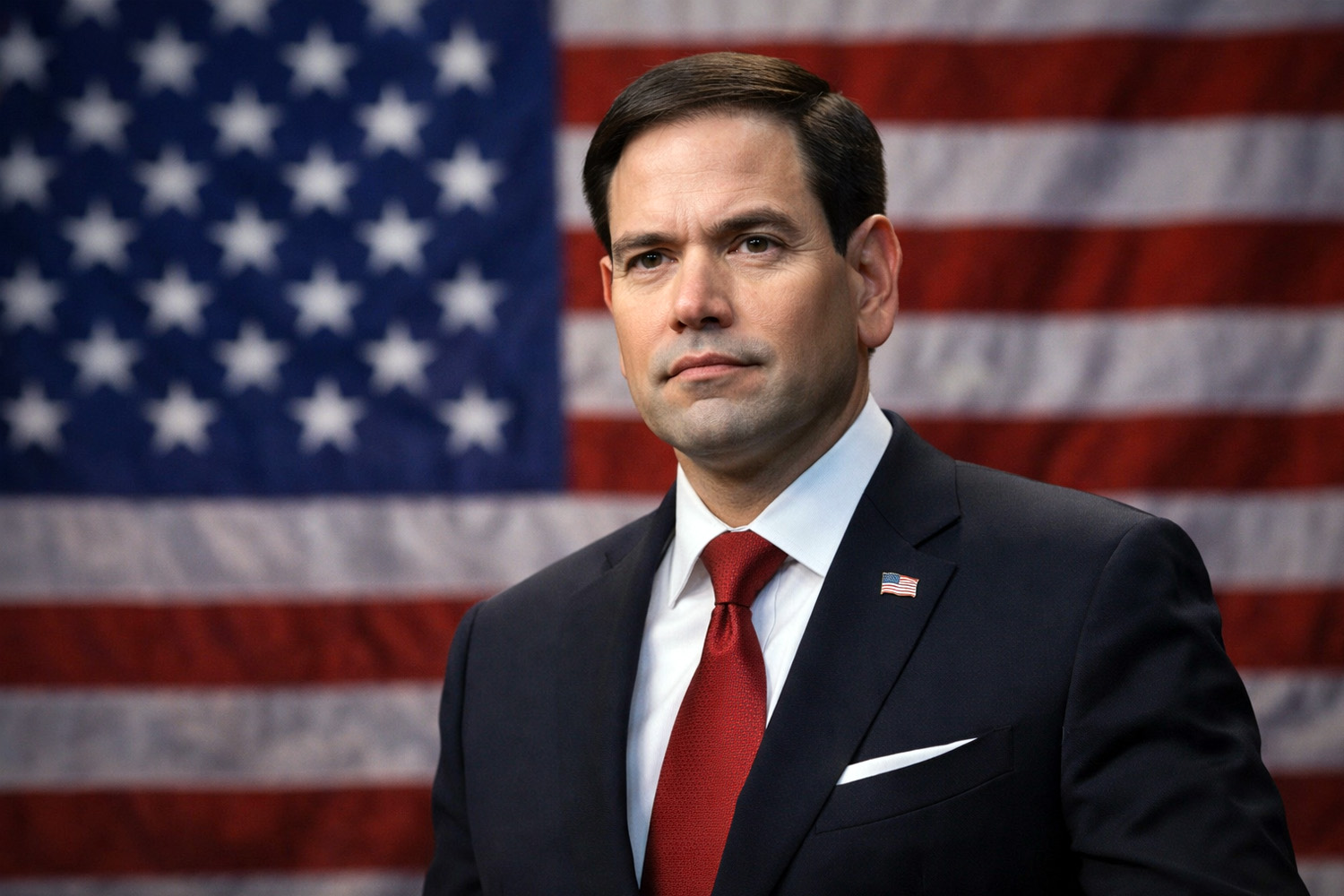
U.S. Secretary of State Marco Rubio publicly stated that further, more severe attacks against Iran may occur, describing a “next phase” that would be more intense than previous operations.
According to Rubio, the operation was framed as necessary to prevent Iran from reaching a point within roughly a year where its missile systems and drone capabilities would significantly constrain external military options. He emphasized that the United States would continue operations “for as long as it takes” to achieve its objectives and argued that the world would be safer upon completion of the mission.
While no detailed operational timeline or specific targets were disclosed, the remarks indicate an intention to maintain or escalate military pressure rather than pursue immediate de-escalation.
Why It Matters
The significance of this statement lies less in the rhetoric itself and more in what it signals strategically.
1. Preemptive Deterrence Logic
Rubio’s justification suggests a preemptive framework: acting before adversarial capabilities mature to a level that alters the strategic balance. This logic mirrors broader security doctrines that prioritize disrupting weapons development cycles before they create entrenched deterrence constraints.
If U.S. policymakers believe Iran’s missile and drone programs are nearing a threshold that would complicate intervention, escalation becomes framed as a narrowing-window decision rather than an open-ended choice.
2. Long-Term Campaign Signaling
The commitment to operate “for as long as it takes” indicates potential endurance rather than short-term punitive strikes. Sustained campaigns alter diplomatic calculations for regional actors, allies, and adversaries alike. It also reshapes expectations around conflict duration and intensity.
3. Regional Power Dynamics
Iran’s missile and drone capabilities have been central to its asymmetric deterrence model. Expanding these systems allows Tehran to project influence without relying solely on conventional forces. A direct effort to degrade these capabilities challenges the core of Iran’s strategic doctrine.
This could shift the balance not only between Washington and Tehran but also among regional powers who calibrate their security strategies around Iran’s deterrence posture.
Market / Financial / Sector Impact
Escalation risks in the Middle East often translate quickly into financial volatility.
Energy Markets:
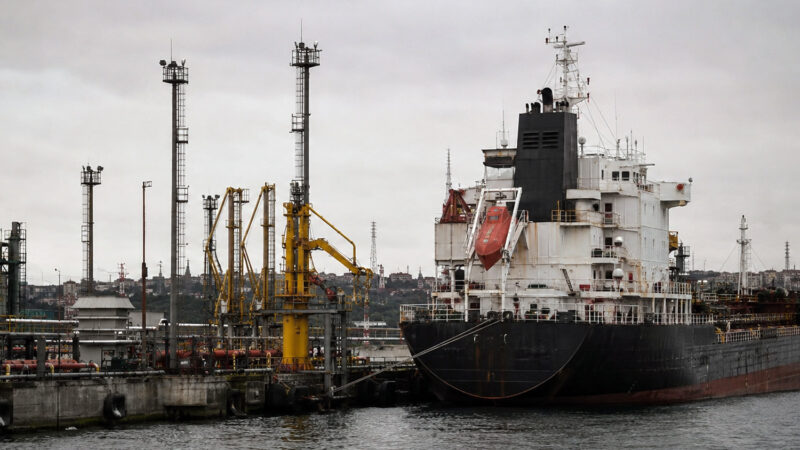
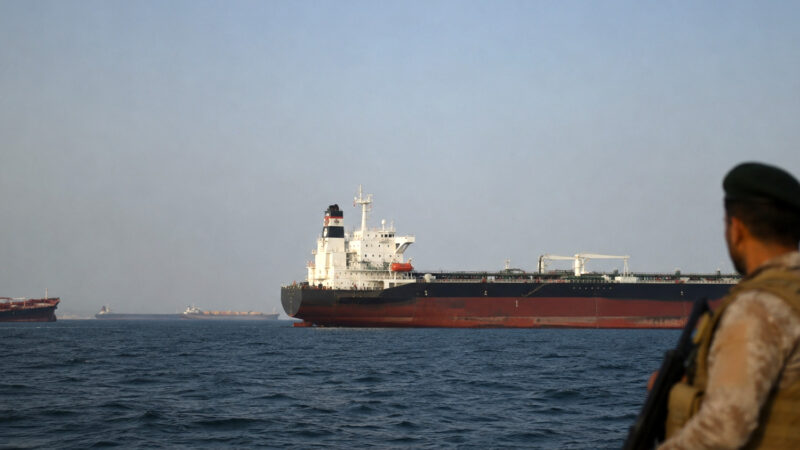
The region remains critical to global oil supply. Heightened military activity or threats to maritime routes typically increase risk premiums in crude pricing. Even absent physical supply disruptions, markets tend to price in uncertainty rapidly.
Defense Sector:
Extended campaigns can drive procurement and defense spending adjustments among regional states seeking to bolster missile defense systems, drone countermeasures, and surveillance capabilities.
Global Trade and Insurance Costs:
Maritime and aviation insurance premiums often rise during periods of regional instability, increasing costs across supply chains. Logistics operators factor geopolitical risk into routing decisions, potentially affecting global freight efficiency.
Competitive Landscape
In geopolitical terms, the confrontation is not limited to two actors.
- Regional states assess their own exposure and strategic alignments.
- Major global powers monitor escalation risks carefully, given energy dependencies and broader diplomatic interests.
- Non-state actors aligned with Iran could play a role in indirect responses, complicating containment efforts.
The broader strategic competition also intersects with global rivalries, where influence in the Middle East remains a component of larger power dynamics.
Risks & Uncertainties
Several uncertainties shape the trajectory ahead:
Escalation Control:
Sustained military operations increase the probability of miscalculation or unintended spillover.
Capability Resilience:
It remains unclear how effectively Iran could regenerate or disperse missile and drone assets in response to strikes.
Diplomatic Pathways:
Escalatory rhetoric may narrow near-term diplomatic space, although backchannel engagement often continues during public confrontations.
Economic Spillovers:
Persistent instability can weigh on global growth forecasts, particularly if energy prices rise sharply or shipping corridors are disrupted.
Bigger Trend Implications
Rubio’s remarks illustrate a broader trend in global security policy: the prioritization of preemptive capability disruption in an era defined by rapidly advancing missile and drone technologies.
Across multiple regions, states are investing in both offensive precision systems and layered defense architectures. The proliferation of relatively low-cost drones has altered deterrence dynamics, lowering barriers to asymmetric power projection.
If the United States pursues sustained operations targeting these systems, it could reinforce a global norm of preemptive counter-proliferation – but it may also accelerate technological adaptation by targeted states.
At a structural level, the episode underscores how modern conflicts increasingly revolve around capability timelines rather than territorial conquest alone. Strategic windows – real or perceived – shape decisions that carry global economic and security consequences.
Conclusion
The declaration of a more severe “next phase” in U.S. operations against Iran signals a potential shift toward sustained strategic pressure grounded in preemptive deterrence logic. Its importance extends beyond immediate military actions: it affects regional balances, global energy markets, and the evolving doctrine of counter-proliferation in an era dominated by missile and drone warfare.
Whether escalation stabilizes or further destabilizes the region will depend on execution, response calibration, and the availability of diplomatic off-ramps – factors that remain uncertain in a rapidly shifting geopolitical environment.
Related Analysis:
Middle East Conflict Escalation: Regional Impact Analysis
Iran’s Leadership Shift: Succession and Regional Impact