A Systemic Shock to the World’s Most Critical Oil Corridor
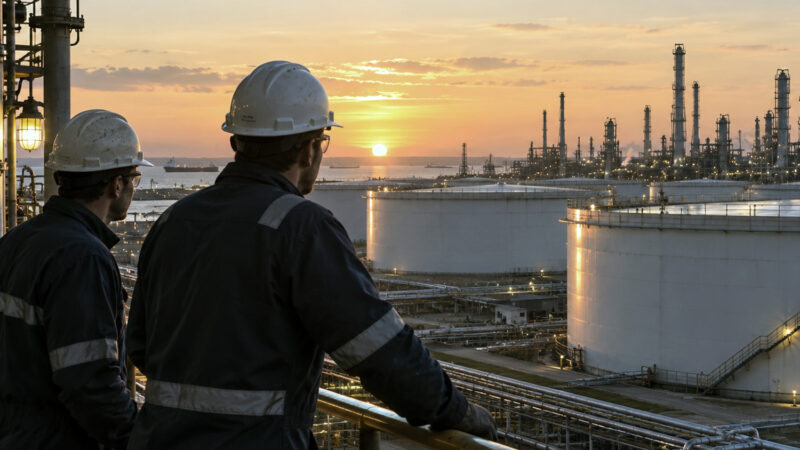
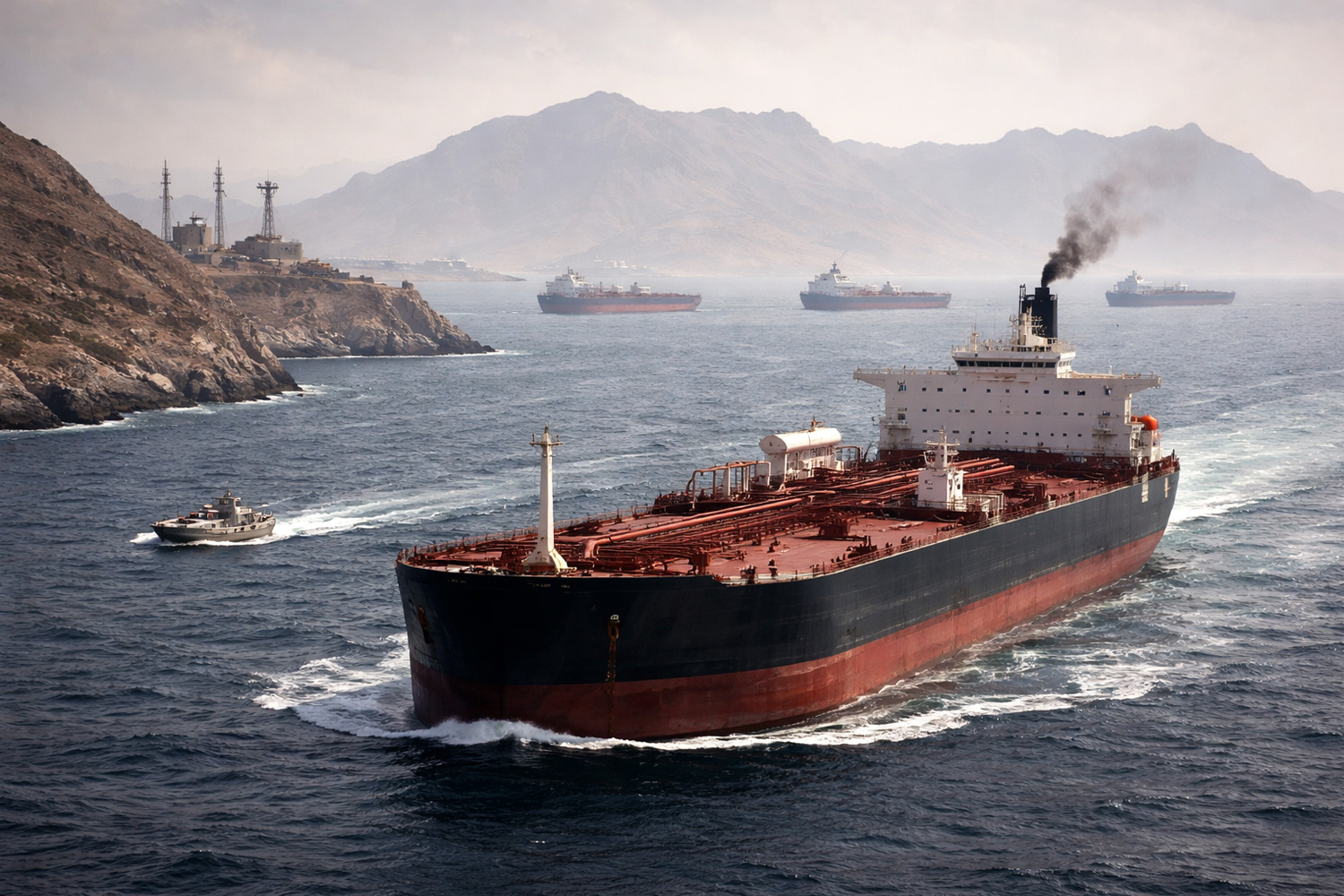
The Strait of Hormuz is not simply a regional transit route-it is the single most important chokepoint in the global energy system. Under normal conditions, approximately 20 million barrels per day (mb/d)-around one-fifth of global oil supply-flow through this narrow passage.
The current crisis has transformed this structural dependency into a systemic vulnerability. According to international energy data, flows through the Strait have collapsed from roughly 20 mb/d to a fraction of that level, effectively creating the largest supply disruption in modern oil market history.
Shipping activity reflects this breakdown:
- Tanker traffic initially dropped by around 70%, and in some periods nearly ceased entirely
- More than 150 vessels were stranded or rerouted, unable to safely transit
- Recent data shows partial recovery in traffic, but volumes remain far below pre-crisis levels
Even limited reopening-such as Iran allowing selected vessels, including Iraqi tankers, to pass-has not restored normal flows. Instead, it has created a fragmented and politically controlled transit environment.
Supply Shock in Numbers: Iraq, Gulf Producers, and Lost Output
The most immediate business impact of the crisis is visible in production and export data-particularly among countries heavily dependent on the Strait.
Iraq: The Most Exposed Producer
Iraq has emerged as the most structurally vulnerable major oil exporter:
- Pre-crisis production: ~4.3 million barrels per day (bpd)
- Current output: approximately 0.8–1.0 million bpd
- Export decline: roughly 80% reduction
This collapse is not primarily due to geological constraints, but logistical ones:
- Tankers cannot safely load or transit
- Storage capacity has been overwhelmed
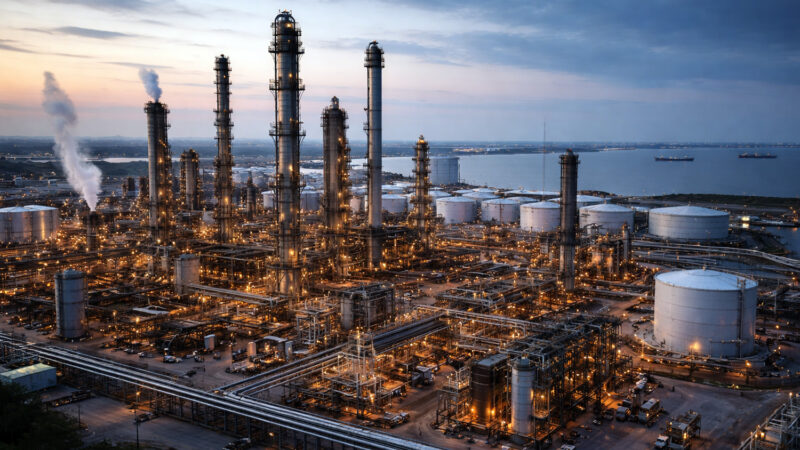
- Infrastructure has suffered localized disruptions
In revenue terms, Iraq has experienced one of the sharpest shocks in the global oil system, with income losses estimated at over 70%.
Regional Production Cuts
The crisis has triggered broader supply reductions across the Gulf:
- Total regional output has declined by at least 10 million bpd
- Saudi Arabia has cut production significantly and redirected flows via pipelines
- Kuwait and Qatar have declared force majeure on parts of their exports
Critically, alternative infrastructure cannot compensate:
- Pipeline bypass capacity is less than half of normal Strait volumes
- Many crude grades cannot be easily substituted in global refining systems
This creates a structural supply deficit, not just a temporary disruption.
Oil Prices: Verified Levels and Market Reaction
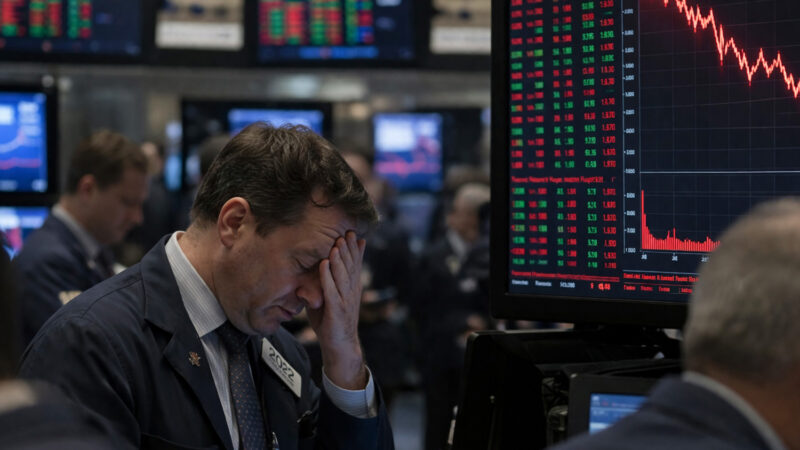
Oil prices have responded sharply, reflecting both physical shortages and geopolitical risk premiums.
Current Price Environment (April 2026)
- Brent crude: approximately $109–$111 per barrel
- WTI crude: approximately $112–$114 per barrel
- Daily movements: typically ±1–2% volatility, driven by geopolitical signals
Recent trading confirms:
- Brent near $110.34/bbl and WTI near $113.67/bbl in latest sessions
- Intraday peaks above $115/bbl during escalation periods
From a trend perspective:
- Oil prices have risen over 20% in a single month
- Year-to-date gains exceed 90% in some benchmarks
Risk Premium Dominance
The key market shift is that pricing is no longer purely supply-demand driven:
- A significant portion of the current price reflects geopolitical risk premium
- Even small changes in shipping activity trigger immediate price corrections
- Markets are pricing probability of disruption, not just actual shortages
Corporate and Market-Level Effects
The crisis is reshaping corporate performance and investment strategies across the oil sector.
Oil Majors: Benefiting from High Prices
Major international oil companies-including Saudi Aramco, ExxonMobil, Chevron, Shell, and BP-are experiencing:
- Strong revenue growth due to elevated crude prices
- Increased cash flow and shareholder returns
- Higher margins in upstream operations
However, the benefits are uneven:
- Companies with exposure to Middle East production face operational risk
- Trading divisions are profiting from price volatility and arbitrage opportunities
Shipping and Insurance Economics
Beyond producers, the crisis is reshaping logistics economics:
- War-risk insurance premiums have surged significantly
- Freight rates for oil tankers have increased sharply
- Delays and rerouting are effectively tightening supply
This creates a secondary inflation layer embedded in delivered oil prices.
Global Economic Impact: Inflation, Energy Security, and Market Fragmentation
The consequences extend far beyond the oil sector, affecting macroeconomic stability and global trade.
Inflationary Transmission
Higher oil prices are feeding into:
- Transportation and logistics costs
- Industrial production expenses
- Consumer energy prices
For example:
- Fuel prices in major economies have risen sharply
- Diesel and refined product shortages are emerging in some regions
Strategic Stock Releases
In response, governments have intervened:
- The International Energy Agency coordinated the release of hundreds of millions of barrels from reserves
- Countries are accelerating strategic stockpiling policies
Market Fragmentation
The crisis is accelerating a shift toward a more fragmented energy system:
- Regional price differences are widening
- Trade flows are increasingly shaped by political alignment
- Energy security is becoming a dominant policy driver
Strategic Outlook: From Temporary Shock to Structural Shift
The Strait of Hormuz crisis is not just a short-term disruption-it is reinforcing long-term structural changes in global energy markets.
Key Strategic Trends
- Diversification of routes: Expansion of pipelines and alternative export corridors
- Reduced reliance on chokepoints: Long-term infrastructure investments
- Acceleration of energy transition: Renewables gaining strategic importance
- Persistent volatility: Oil markets increasingly driven by geopolitical dynamics
Forward-Looking Risks
If disruptions persist:
- Oil prices could test significantly higher levels, with some forecasts pointing to extreme scenarios
- Strategic reserves may be depleted, reducing buffers
- Supply shortages could move from perceived risk to physical reality
A Market Redefined by Geopolitics
The data confirms that the Strait of Hormuz crisis represents one of the most significant shocks in modern energy market history.
Key conclusions:
- Oil flows have dropped dramatically, with millions of barrels per day removed from the market
- Iraq and similar producers have suffered severe output and revenue losses
- Oil prices are now firmly in the $110+ range, driven by both scarcity and risk
- The global oil system is entering a phase of structural volatility and geopolitical dependency
For the business world, the implications are clear:
Oil is no longer just a commodity-it is a strategic asset shaped as much by geopolitics as by economics.