Europe’s Energy Transition Reaches a Structural Turning Point
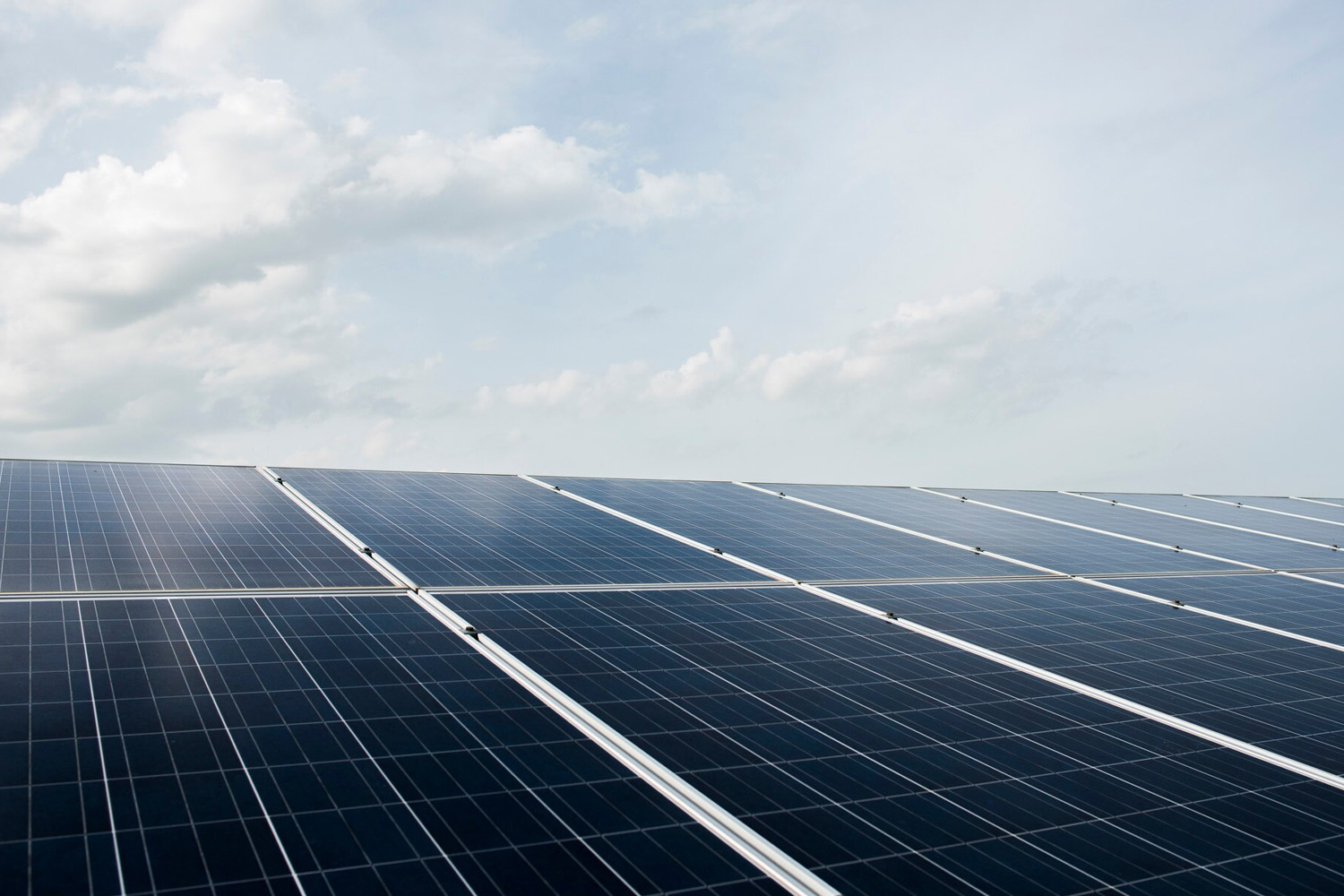
The European Union’s electricity system crossed an important threshold in June 2026. For the first time, solar power generated 25% of the bloc’s monthly electricity production, making it the largest single source of electricity during the month. It surpassed nuclear energy (21%), natural gas (15%), wind power (14%), hydropower (12%), and coal (8%), highlighting how rapidly Europe’s energy landscape has evolved over the past five years.
Although monthly records are influenced by seasonal daylight, the significance of this milestone extends well beyond favorable summer conditions. In June 2021, solar accounted for only around 10% of EU electricity generation. Reaching 25% within five years reflects not merely technological progress but a broad structural transformation involving public policy, industrial investment, electricity market reform, and changing geopolitical priorities.
Rather than representing an isolated achievement for renewable energy, the record illustrates how Europe’s institutions are gradually redesigning the foundations of its electricity system. The transition has implications that extend into economic competitiveness, strategic autonomy, industrial policy, infrastructure planning, and the governance of the energy sector itself.
Policy Has Become the Primary Driver of Market Transformation
The rapid expansion of solar generation did not emerge from market forces alone. It reflects years of coordinated policy across multiple levels of European governance.
The European Green Deal established long-term decarbonization objectives while the REPowerEU strategy, introduced after the energy disruptions following Russia’s invasion of Ukraine, accelerated deployment of renewable energy to reduce dependence on imported fossil fuels. Faster permitting procedures, expanded investment incentives, renewable energy targets, and reforms to electricity market regulations collectively reduced barriers to solar development.
Unlike previous energy transitions that depended largely on technological breakthroughs, the current transformation has been shaped equally by institutional coordination. European institutions, national governments, regulators, transmission operators, and private investors have increasingly aligned around common objectives: improving energy security, lowering emissions, and expanding domestic electricity production.
This policy consistency has provided investors with greater certainty, encouraging long-term capital flows into utility-scale solar farms, distributed rooftop installations, battery storage projects, and electricity network modernization.
The result has been sustained annual growth in solar generation exceeding 20% between 2021 and 2025-the fastest expansion among major electricity sources in Europe.
Geopolitics Has Reinforced the Economic Case for Solar
The acceleration of solar deployment cannot be understood without considering Europe’s evolving geopolitical environment.
For decades, much of Europe’s energy strategy relied on relatively inexpensive imports of natural gas and other fossil fuels. The energy crisis that followed Russia’s invasion of Ukraine fundamentally altered that calculation. Energy security became inseparable from national security and economic resilience.
Solar power offers governments a strategic advantage because sunlight is a domestic resource rather than an imported commodity. While solar panels and associated technologies still depend on global supply chains, electricity generated from installed capacity reduces exposure to international fuel markets and geopolitical disruptions.
This strategic shift explains why renewable energy policies increasingly occupy the intersection of climate policy, industrial policy, and foreign policy.
Reducing fossil fuel imports not only lowers greenhouse gas emissions but also decreases vulnerability to external supply shocks, volatile fuel prices, and geopolitical leverage.
Consequently, renewable energy investment has become part of a broader European strategy aimed at strengthening economic sovereignty alongside environmental sustainability.
Solar’s Growth Is Reshaping Electricity Market Design
Generating more electricity from solar is only one dimension of the transformation. Integrating large volumes of intermittent renewable energy presents new challenges for electricity markets.
Traditional European power systems were designed around dispatchable generation sources such as coal, natural gas, and nuclear power that could be adjusted according to demand. Solar generation follows weather patterns and daylight hours rather than consumer consumption patterns.
As solar capacity expands, electricity prices increasingly fluctuate throughout the day. During sunny afternoons, wholesale prices may fall significantly because abundant solar generation exceeds immediate demand. In contrast, prices often rise rapidly after sunset when solar output declines.
This changing price profile requires electricity markets to evolve.
Grid operators increasingly need:
- large-scale battery storage,
- flexible demand management,
- expanded cross-border electricity interconnections,
- digital grid management,
- smart charging for electric vehicles,
- and more responsive industrial electricity consumption.
Rather than replacing one energy source with another, Europe is redesigning the architecture of its electricity system.
The transition therefore involves both physical infrastructure and institutional adaptation, requiring regulators to develop market mechanisms that reward flexibility alongside electricity generation.
National Differences Reveal Multiple Transition Pathways
Although the EU reached a collective milestone, the pace of transformation varies considerably among member states.
In 2026, eighteen EU countries established new monthly records for solar electricity generation. Germany, Spain, and Poland have emerged among the strongest performers, but each illustrates a different pathway toward renewable expansion.
Germany combines extensive rooftop installations with large utility-scale projects supported by long-term industrial policy and significant grid investment.
Spain benefits from exceptional solar resources, abundant land availability, and growing investment in large photovoltaic facilities capable of supplying both domestic consumption and future electricity exports.
Poland presents a particularly notable case because its energy system historically depended heavily on coal. Rapid growth in residential and commercial solar installations demonstrates how policy incentives and declining technology costs can accelerate change even in economies traditionally centered on fossil fuels.
These differing national experiences suggest there is no single model for the energy transition. Institutional capacity, electricity market structures, industrial composition, geography, and political priorities all influence implementation.
The Rise of Solar Is Transforming Governance Priorities
As renewable electricity becomes a larger share of Europe’s energy mix, governments face a changing set of policy priorities.
Historically, energy governance focused heavily on ensuring adequate fuel supplies and maintaining generation capacity.
Today, attention is increasingly shifting toward infrastructure coordination, permitting efficiency, transmission planning, digitalization, cybersecurity, and storage deployment.
Electricity networks-rather than power plants alone-are becoming central strategic assets.
This evolution requires stronger coordination between European institutions and national governments because electricity increasingly flows across borders. Cross-border interconnections allow countries to balance renewable production more efficiently, reducing both costs and supply risks.
Institutional cooperation therefore becomes as important as technological deployment.
The transition also expands the role of local governments, municipalities, and households. Millions of European citizens now participate directly in electricity generation through rooftop solar systems, creating a more decentralized energy landscape than existed under conventional centralized power generation.
This decentralization changes the relationship between governments, utilities, and consumers, requiring new regulatory approaches that accommodate distributed generation while maintaining grid reliability.
Remaining Challenges Could Define the Next Phase
Despite record solar generation, important structural challenges remain.
Electricity demand is expected to increase substantially over the coming decade as transport, heating, and industry become increasingly electrified.
Electric vehicles, heat pumps, hydrogen production, artificial intelligence infrastructure, and expanding data centers will require significant additional electricity generation.
Meeting this demand solely through expanding solar capacity will not be sufficient.
Battery storage deployment remains below the levels needed to fully balance renewable variability.
Electricity transmission infrastructure requires major modernization in many member states.
Permitting delays continue to affect grid expansion more than renewable generation itself.
Supply chains for critical minerals, semiconductors, transformers, and electrical equipment remain exposed to international market risks.
In addition, maintaining affordability for households and industrial consumers remains a central policy objective. While renewable electricity generally reduces long-term generation costs, integrating variable generation requires substantial upfront investment in supporting infrastructure.
Managing these investments while preserving economic competitiveness represents one of Europe’s most important governance challenges.
Beyond Climate Policy: A New Industrial Strategy
Perhaps the most important implication of Europe’s solar expansion is that renewable energy is no longer solely an environmental policy.
Increasingly, it serves as a foundation for industrial competitiveness.
Lower-cost renewable electricity can attract manufacturing investment, support electrification of heavy industry, and improve Europe’s position in emerging sectors such as green hydrogen, battery production, advanced manufacturing, and artificial intelligence infrastructure.
Countries capable of providing abundant, reliable, and affordable clean electricity may gain competitive advantages in industries where electricity represents a significant share of production costs.
Consequently, energy policy is becoming increasingly intertwined with industrial policy.
The success of Europe’s renewable transition will therefore be measured not only by emissions reductions but also by its ability to strengthen productivity, innovation, and long-term economic resilience.
Conclusion
Solar energy’s record contribution of 25% of EU electricity generation in June 2026 represents far more than a seasonal milestone. It reflects the cumulative effects of long-term policy coordination, technological progress, declining costs, and changing geopolitical realities that have reshaped Europe’s approach to energy security and economic development.
The transition is no longer defined simply by replacing fossil fuels with renewable energy. Instead, Europe is undertaking a comprehensive redesign of its electricity system, requiring new infrastructure, updated market rules, enhanced institutional coordination, and greater integration between energy, industrial, and climate policy.
The coming decade will determine whether this transformation can deliver not only lower emissions but also greater economic resilience, stronger strategic autonomy, and a more flexible electricity system capable of supporting Europe’s increasingly electrified economy. If current trends continue, the significance of solar power will be measured not merely by the electricity it generates but by the broader institutional and economic transformation it continues to drive across the European Union.
Related Analysis:
Energy Transition Investments: Companies Leading in Renewables