How Washington’s Simultaneous Crises Are Reshaping Global Power
The second Trump administration has entered one of the most strategically demanding periods of its foreign policy. Within only a few weeks, Washington has simultaneously confronted renewed military confrontation with Iran, shifting security commitments toward Ukraine, renewed pressure on NATO allies, changing sanctions policies toward regional partners such as Turkey, and continued instability surrounding Gaza.
While these developments may appear to be disconnected headlines, they instead reveal a broader transformation in American statecraft. Rather than managing isolated regional crises, the United States is increasingly operating within an interconnected global security environment where military, economic, diplomatic, and industrial policies reinforce one another.
The result is not simply a more active American foreign policy-it is a more transactional one, where military commitments, alliance obligations, defense industrial cooperation, sanctions, and economic leverage are increasingly treated as parts of the same strategic framework.
Understanding these developments requires looking beyond individual announcements toward the structural logic that increasingly defines U.S. decision-making.
Foreign Policy as Strategic Leverage
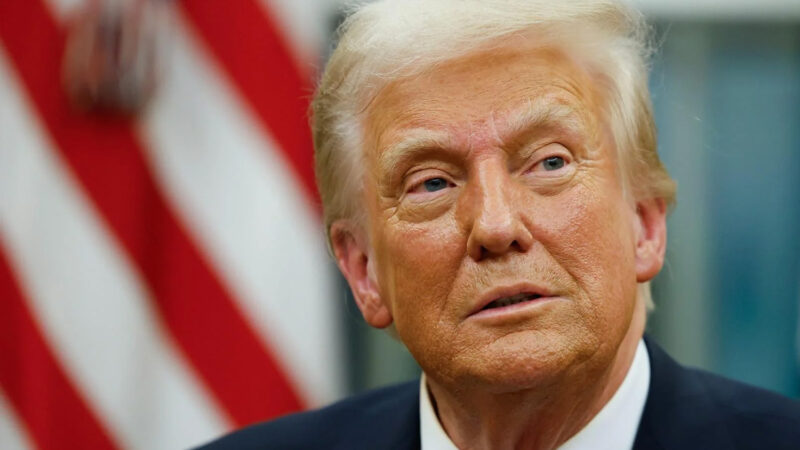
President Donald Trump’s foreign policy has consistently emphasized measurable returns from American international engagement.
Instead of separating diplomacy, military alliances, trade, and sanctions into different policy spheres, the administration increasingly views them as interconnected instruments designed to maximize U.S. strategic influence while reducing long-term financial burdens.
This philosophy became particularly visible during the recent NATO summit, where alliance discussions extended beyond collective defense to include defense production, burden sharing, industrial cooperation, and regional crisis management. Trump reaffirmed support for NATO’s collective defense commitments while continuing to press allies for greater military spending and responsibility.
Rather than abandoning alliances, Washington is attempting to redefine them around greater reciprocal contributions.
Iran Demonstrates the Limits of Deterrence
The most immediate challenge has emerged from the renewed confrontation with Iran.
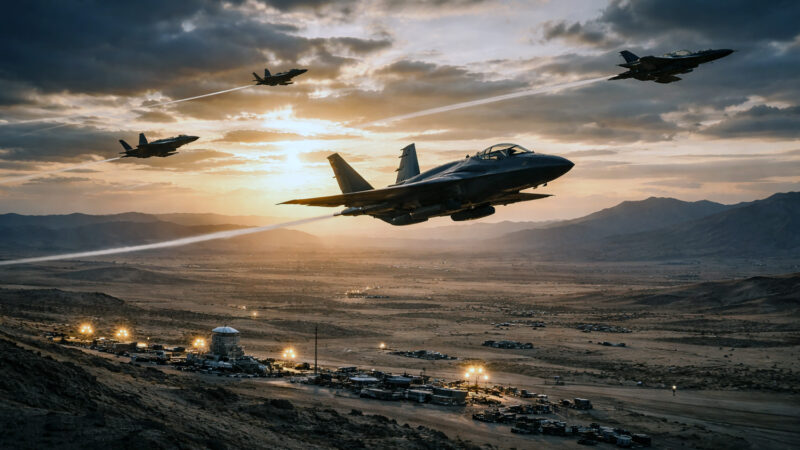
Following renewed U.S. military operations targeting Iranian assets, Tehran launched missile and drone attacks against U.S.-associated military facilities in Bahrain and Kuwait, marking one of the most serious escalations in Gulf security in recent years. Regional air defense systems intercepted many incoming threats, helping to limit casualties, but the exchanges highlighted the continued vulnerability of U.S. regional deployments.
These events illustrate a recurring structural reality.
Although the United States maintains overwhelming conventional military superiority, Iran continues relying on asymmetric capabilities-including missiles, drones, proxy networks, and maritime disruption-to impose strategic costs without engaging in direct conventional warfare.
This creates a cycle in which military superiority does not necessarily produce political stability.
Instead, deterrence becomes increasingly difficult because each side possesses different escalation tools.
Energy Security Remains a Global Strategic Variable
The renewed tensions also reinforce the continued importance of the Persian Gulf despite years of diversification in global energy supplies.
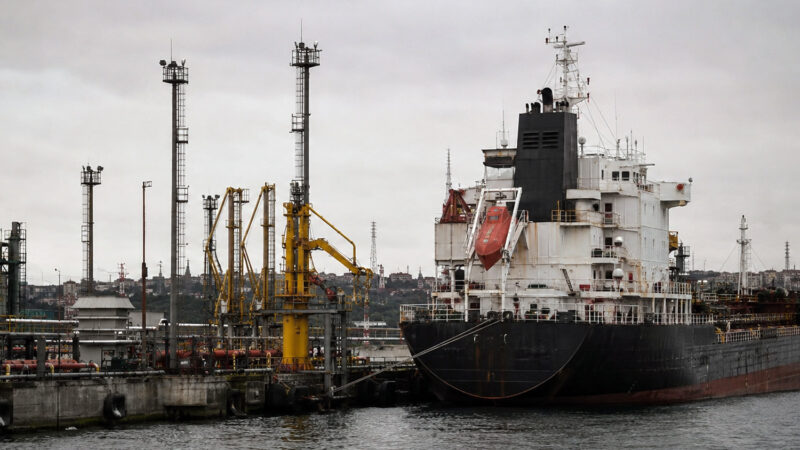
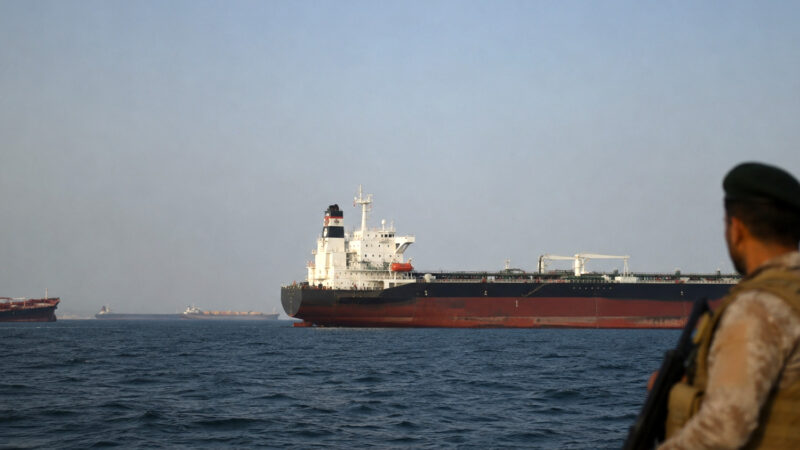
The Strait of Hormuz remains one of the world’s most strategically significant maritime chokepoints.
Even limited attacks on shipping or energy infrastructure can rapidly influence insurance costs, freight markets, commodity prices, and inflation expectations worldwide.
For policymakers, this means Middle Eastern security continues to affect domestic economic conditions far beyond the region itself.
Consequently, U.S. military operations are not solely about regional security-they are also intended to preserve confidence in global energy markets and international trade.
NATO’s Evolution Extends Beyond Europe
The recent NATO summit demonstrated another important institutional shift.
Although NATO was originally designed around European territorial defense, its agenda increasingly encompasses broader global security concerns, including cyber defense, industrial resilience, technological cooperation, and the protection of critical infrastructure.
The summit also reflected growing concern that instability in the Middle East directly affects European security through energy markets, migration pressures, and maritime commerce.
As a result, NATO’s geographic focus continues expanding beyond traditional Cold War assumptions.
This institutional evolution reflects changing security realities rather than formal treaty revisions.
Ukraine Highlights a Shift Toward Defense Industrial Cooperation
One of the more strategically significant announcements involved Ukraine’s defense production.
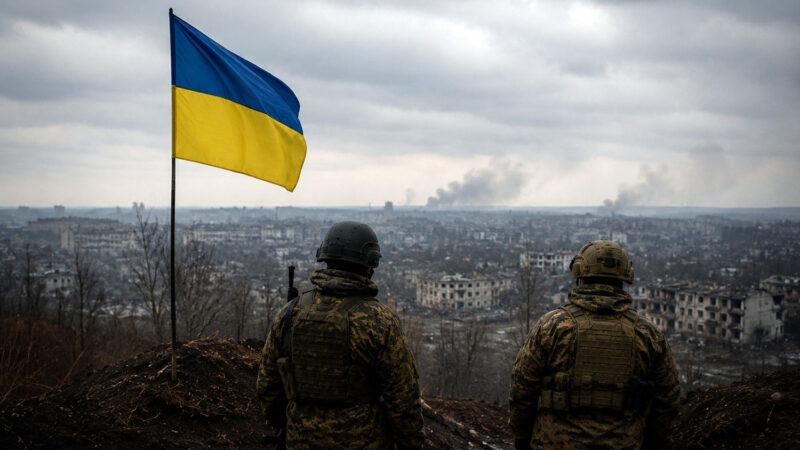
President Trump indicated support for enabling Ukraine to manufacture Patriot air-defense systems domestically under U.S. licensing arrangements, signaling a greater emphasis on industrial cooperation rather than relying solely on direct weapons transfers.
If implemented, such an approach reflects a broader trend in modern security policy.
Rather than acting only as an arms supplier, the United States increasingly seeks to strengthen allied defense industries, allowing partners to expand long-term production capacity while reducing logistical dependence.
This model has become increasingly important as prolonged conflicts consume large quantities of advanced military equipment.
Industrial resilience has therefore become an essential component of national security.
Sanctions Continue to Serve Multiple Strategic Purposes
Economic sanctions remain one of Washington’s most flexible foreign policy tools.
Recent discussions surrounding sanctions policy-including possible adjustments affecting regional partners such as Turkey-illustrate that sanctions increasingly serve broader diplomatic objectives rather than functioning solely as punitive measures.
Modern sanctions now operate across several dimensions simultaneously:
- influencing military behavior;
- encouraging diplomatic negotiations;
- protecting sensitive technologies;
- shaping financial flows;
- reinforcing alliance cohesion.
As global economic interdependence deepens, sanctions increasingly complement military and diplomatic strategies rather than replacing them.
The Middle East’s Political Landscape Remains Fluid
Political developments surrounding Hamas also highlight the volatility of governance within conflict zones.
Various statements attributed to Hamas regarding future governance arrangements have circulated during ongoing diplomatic efforts. However, such declarations should be treated cautiously unless formally confirmed through established negotiating frameworks, as negotiations remain fluid and subject to rapid change.
More broadly, governance questions increasingly occupy the center of Middle Eastern diplomacy.
Military operations alone rarely resolve political instability.
Long-term stability depends upon creating institutions capable of exercising legitimate governance, rebuilding public services, and maintaining internal security.
Without such institutional capacity, military victories frequently prove temporary.
Domestic Politics Continues to Shape Foreign Policy
Foreign policy decisions cannot be separated from domestic political realities.
Military operations abroad influence public opinion, energy prices, fiscal priorities, and election dynamics.
Likewise, domestic political considerations affect the willingness of governments to sustain long-term international commitments.
For the Trump administration, balancing strategic credibility overseas with domestic economic priorities remains a central challenge.
This interaction between internal politics and international strategy is increasingly characteristic of democratic governments facing prolonged geopolitical competition.
Great Power Competition Continues to Expand
Although recent attention has focused on Iran and the Middle East, the broader strategic environment remains dominated by long-term competition among major powers.
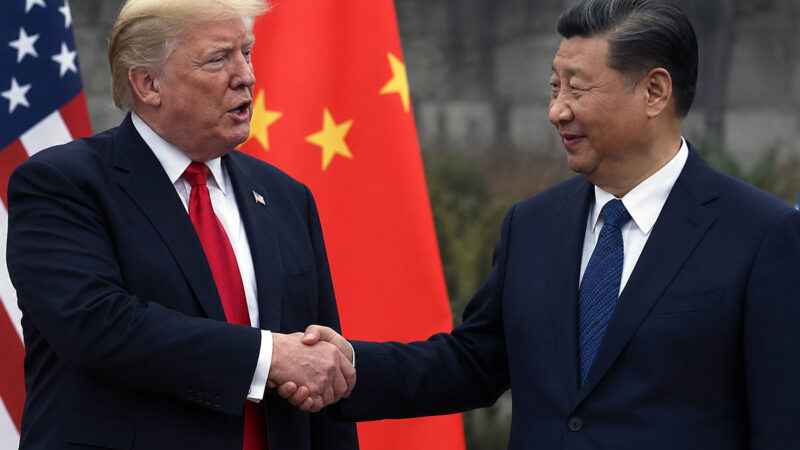
China continues expanding its military modernization and technological capabilities.
Russia remains engaged in the war against Ukraine.
Regional powers seek greater strategic autonomy.
Meanwhile, emerging technologies-including artificial intelligence, autonomous systems, cyber capabilities, and advanced missile defense-are transforming military planning.
In this environment, individual regional crises increasingly become interconnected.
A conflict in the Persian Gulf can influence European defense spending.
Industrial cooperation with Ukraine can reshape global defense supply chains.
Sanctions policy toward one country can alter relationships with multiple regional actors.
The strategic map has become considerably more integrated than in previous decades.
Governance in an Era of Permanent Crisis
One of the defining characteristics of today’s international system is that governments rarely manage one crisis at a time.
Instead, policymakers increasingly operate under conditions of overlapping geopolitical, economic, technological, and security challenges.
This places greater emphasis on institutional adaptability.
Governments must coordinate military planning, industrial policy, intelligence sharing, diplomacy, and economic regulation simultaneously.
The distinction between domestic policy and foreign policy has become increasingly blurred.
Defense manufacturing affects employment.
Energy security influences inflation.
Technology policy shapes military competitiveness.
Migration affects domestic politics.
Each policy area now interacts with multiple others.
Long-Term Outlook
Several structural trends are likely to define the coming years.
First, alliance management will increasingly focus on burden sharing and industrial cooperation rather than traditional troop deployments alone.
Second, deterrence strategies will continue evolving as adversaries rely more heavily on drones, cyber operations, proxy forces, and economic disruption.
Third, defense industrial capacity will become a strategic asset comparable to military strength itself.
Finally, geopolitical competition will remain multidimensional, extending beyond battlefields into finance, technology, infrastructure, energy, and supply chains.
These trends suggest that future foreign policy success will depend less on isolated military victories than on the ability to integrate diplomatic, economic, industrial, and security instruments into coherent long-term strategies.
Conclusion
The recent developments surrounding Iran, NATO, Ukraine, sanctions policy, and broader regional security demonstrate that U.S. foreign policy is entering a more interconnected phase rather than simply responding to separate crises.
The central challenge facing policymakers is no longer managing individual conflicts in isolation. Instead, it is coordinating alliances, military capabilities, industrial capacity, economic tools, and diplomatic engagement across multiple theaters simultaneously.
Whether this increasingly integrated approach produces greater international stability will depend not only on military deterrence but also on the resilience of institutions, the effectiveness of alliances, and the ability of governments to adapt to an international system where geopolitical competition has become continuous rather than episodic.
Related Analysis:
Middle East Escalation: Strategic Dynamics and Global Impact