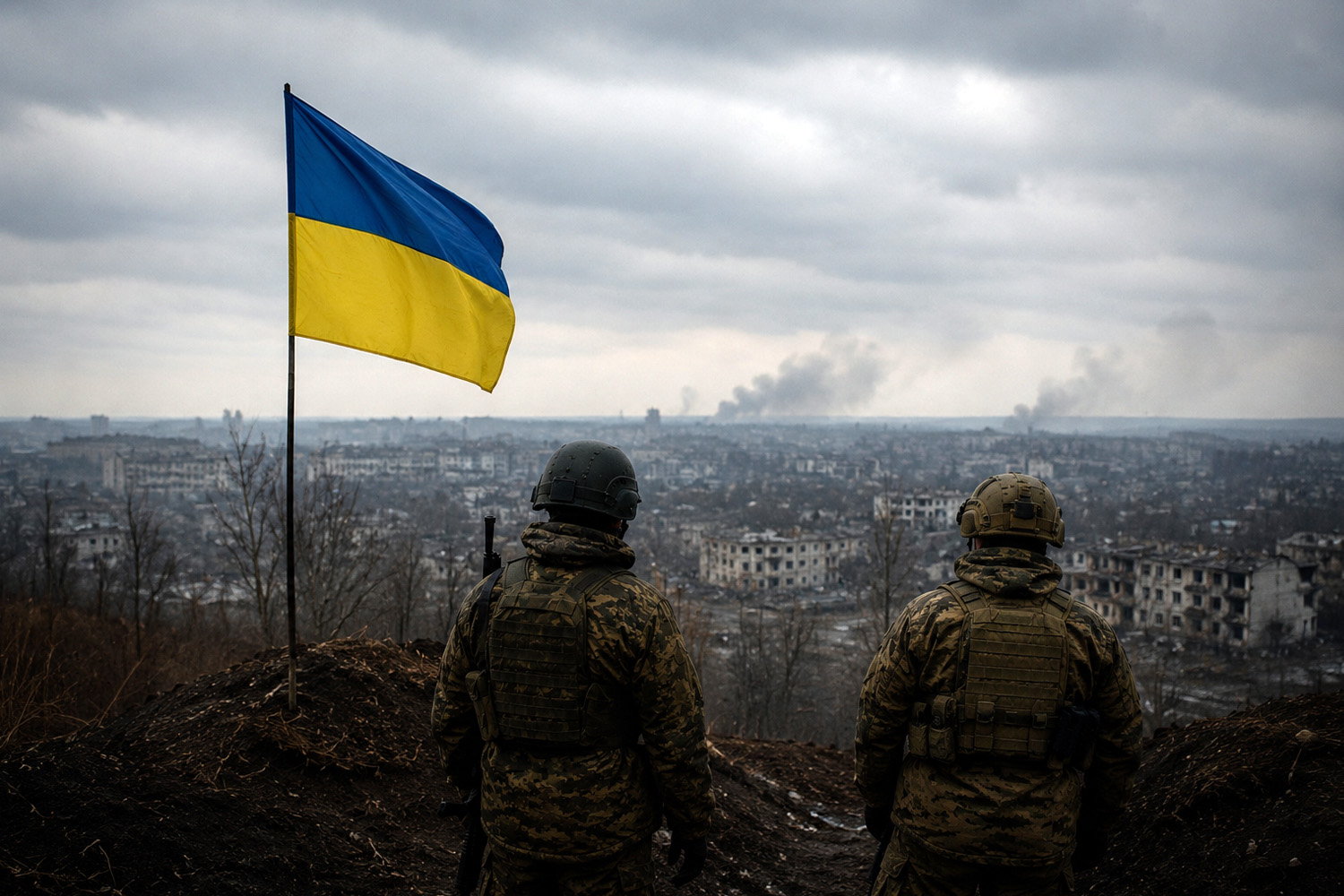
Introduction: A War That Extends Beyond the Battlefield
More than four years after Russia’s full-scale invasion of Ukraine, the conflict has evolved into far more than a conventional military confrontation. It has become a catalyst for profound changes in industrial policy, technological innovation, energy security, defense economics, and international governance. While territorial control remains contested, the war’s broader significance increasingly lies in how it is transforming the institutions, industries, and technologies that will shape future security.
Governments, defense manufacturers, technology companies, and research institutions are adapting to a new reality in which resilience, industrial capacity, and innovation have become as important as traditional military strength. Drone technology, artificial intelligence, satellite intelligence, electronic warfare, and industrial mobilization have emerged as defining features of this transformation.
The conflict therefore provides insight not only into the future of European security but also into how states prepare for an era in which technological competition increasingly intersects with national resilience.
Drone Warfare Has Become a Defining Feature of Modern Conflict
Few technologies have changed modern warfare as rapidly as unmanned aerial systems. Once used primarily for surveillance, drones now perform reconnaissance, logistics support, precision strikes, electronic warfare, and maritime missions.
The war has accelerated the adoption of several categories of drones.
First-person-view (FPV) drones represent one of the most significant developments. Built from commercially available components and modified for military purposes, these relatively inexpensive systems have demonstrated how low-cost technologies can challenge far more expensive military equipment. Their widespread use has encouraged military planners around the world to reconsider procurement priorities and battlefield tactics.
Long-range drones have also expanded the strategic reach available to states without relying exclusively on conventional aircraft. Rather than emphasizing air superiority alone, modern military planning increasingly incorporates unmanned systems capable of operating at considerable distances while reducing risks to pilots.
Maritime drones have introduced another dimension. These remotely operated systems have shown how relatively small autonomous platforms can influence naval operations and protect coastal areas, encouraging many countries to invest in similar capabilities.
Artificial intelligence is becoming increasingly integrated into drone operations through image recognition, navigation, mission planning, and sensor fusion. Although autonomous lethal decision-making remains subject to legal and ethical debate, AI-assisted systems are improving navigation, target recognition, and operational efficiency.
At the same time, electronic warfare has become indispensable. Both sides have invested heavily in jamming technologies, signal interception, GPS disruption, and counter-drone systems. As a result, the competition increasingly resembles a continuous cycle of technological adaptation in which advances in drone capabilities are quickly followed by improvements in electronic defenses.
The broader lesson extends well beyond Ukraine. Defense planners worldwide increasingly view inexpensive autonomous systems as permanent components of future military forces rather than niche capabilities.
Long-Range Strikes Reflect the Growing Importance of Infrastructure
The conflict has also highlighted the strategic importance of critical infrastructure.
Ukraine has publicly acknowledged conducting long-range strikes against military-related infrastructure within Russia, including facilities associated with logistics, fuel storage, and defense production. Russian authorities have also reported attacks affecting oil infrastructure and energy facilities.
These developments illustrate a broader trend in contemporary conflict: infrastructure has become an increasingly important element of national resilience.
Energy systems, transportation networks, industrial production, communications, and logistics support both civilian economies and military operations. Consequently, governments now place greater emphasis on protecting these sectors through redundancy, decentralization, cybersecurity, and physical defense.
For policymakers internationally, the lesson is that economic infrastructure is no longer viewed solely as a commercial asset but also as a strategic national resource.
Drone Attacks and Urban Resilience
Drone attacks reaching major metropolitan areas-including Moscow-have also demonstrated the psychological and governance dimensions of modern conflict.
Beyond physical damage, such attacks influence public perceptions of national security, requiring governments to adapt civil defense procedures, emergency response systems, and urban security planning.
Many countries are consequently investing in layered air surveillance, counter-drone technologies, and improved coordination between civilian authorities and security institutions.
The increasing accessibility of unmanned systems has expanded concerns regarding the protection of airports, energy facilities, transportation hubs, and densely populated urban areas. This has accelerated investment in detection technologies, electronic countermeasures, and integrated air-defense networks designed specifically to address small, low-cost aerial threats.
Russia’s Wartime Economy Demonstrates Both Resilience and Structural Pressures
Russia’s economy has adapted to prolonged wartime conditions through a combination of increased defense spending, industrial mobilization, and expanded domestic production.
Government expenditure on defense has risen substantially, supporting manufacturing output in sectors linked to military production. This has helped maintain industrial activity and employment despite external economic pressures.
However, these adjustments have also generated structural challenges.
Inflationary pressures have persisted, influenced by labor shortages, strong domestic demand, and high levels of government spending. Many industries face difficulties recruiting qualified workers as demographic trends, mobilization, and migration affect labor availability.
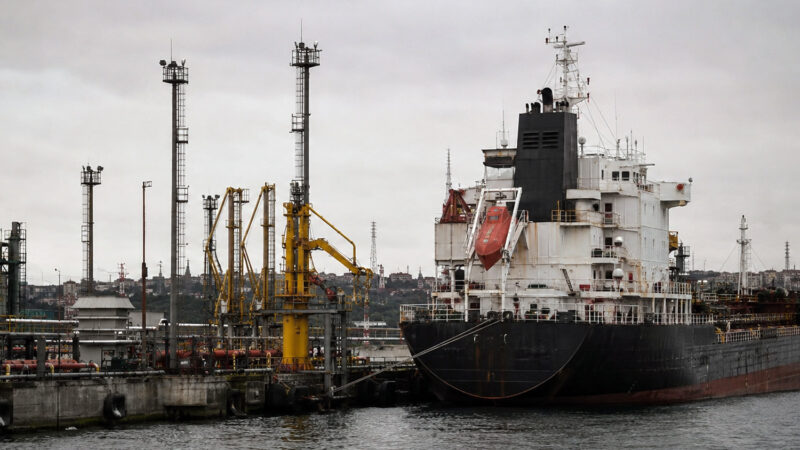
The energy sector remains central to Russia’s economy, although international sanctions, changing export routes, and evolving energy markets have altered trade patterns. While oil revenues continue to provide significant fiscal resources, sanctions and price mechanisms have encouraged greater diversification of export destinations and financial arrangements.
Fuel market disruptions reported during periods of refinery outages have illustrated how domestic supply chains can experience temporary stress even within major energy-producing countries.
Industrial mobilization has nevertheless stimulated investment in manufacturing capacity, creating a complex economic picture in which short-term industrial expansion coexists with longer-term structural challenges related to productivity, demographics, technology access, and investment.
Ukraine’s Wartime Adaptation Extends Beyond Military Assistance
Ukraine has simultaneously undergone one of the most rapid defense-industrial transformations in modern Europe.
Domestic production of drones has expanded significantly through cooperation between government agencies, private companies, universities, and technology startups. This reflects a broader shift toward decentralized innovation rather than dependence solely on traditional defense contractors.
International military assistance has also evolved from emergency equipment transfers toward longer-term industrial cooperation, joint production initiatives, training programs, and technology sharing.
Institutionally, Ukraine has introduced reforms intended to improve procurement, accelerate innovation, strengthen digital governance, and integrate more closely with European institutions.
These developments illustrate how prolonged conflict can accelerate institutional modernization while simultaneously placing extraordinary demands on public administration.
Technology Competition Has Become an Industrial Competition
Perhaps the conflict’s most enduring consequence is the emergence of technology as an industrial competition rather than solely a military one.
Electronic warfare systems, AI-enabled reconnaissance, satellite intelligence, secure communications, advanced sensors, precision-guided munitions, and autonomous platforms increasingly depend upon sophisticated manufacturing ecosystems.
As a result, governments are investing not only in weapons procurement but also in semiconductor production, secure communications infrastructure, software development, advanced manufacturing, and research partnerships.
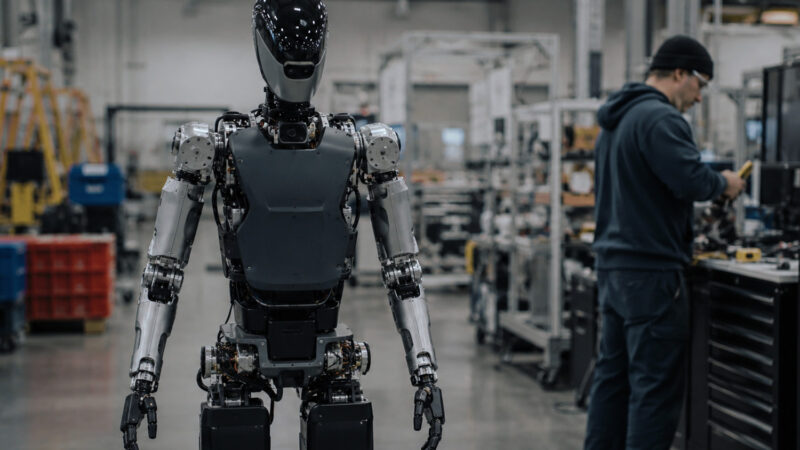
The defense sector is becoming increasingly intertwined with civilian technology industries, particularly those involved in artificial intelligence, robotics, aerospace engineering, cloud computing, and telecommunications.
This convergence is reshaping industrial policy across Europe, North America, and Asia.
Political Institutions Are Adapting to a New Security Environment
The war has also accelerated institutional change.
NATO members have increased defense spending, expanded force readiness, and strengthened multinational coordination. European governments have launched initiatives aimed at rebuilding defense-industrial capacity after decades of relatively limited investment.
The European Union has likewise expanded cooperation on defense procurement, ammunition production, and industrial resilience while continuing broader discussions regarding strategic autonomy.
National governments increasingly recognize that economic security, energy security, cyber resilience, technological competitiveness, and defense preparedness are interconnected policy challenges rather than separate domains.
This represents a significant shift in governance priorities compared with the pre-2022 security environment.
Long-Term Outlook: From Conventional Warfare to Technological Competition
The long-term significance of the conflict may ultimately lie less in territorial outcomes than in the transformation of how states prepare for future security challenges.
Modern conflicts increasingly require sustained industrial production, resilient supply chains, technological innovation, skilled workforces, secure communications, and robust institutions.
Rather than replacing conventional military capabilities, autonomous systems, artificial intelligence, electronic warfare, cyber capabilities, and space-based intelligence are becoming integrated components of broader national security strategies.
Governments are therefore investing not only in military modernization but also in education, research, industrial policy, semiconductor manufacturing, cybersecurity, and critical infrastructure protection.
Future competition is likely to depend as much on technological ecosystems and economic resilience as on conventional military power alone.
Conclusion
The Russia–Ukraine war has become a defining case study in how conflict is reshaping politics, economics, technology, and governance. Its most enduring legacy may not be confined to the battlefield but instead reflected in the transformation of defense industries, industrial policy, technological innovation, and institutional adaptation.
Drone technology, artificial intelligence, electronic warfare, and industrial resilience are no longer peripheral considerations. They have become central components of national strategy, influencing procurement decisions, public policy, international alliances, and economic planning around the world. As governments absorb the lessons of this conflict, the future of security will increasingly be determined by a state’s capacity to innovate, manufacture, adapt, and sustain technological leadership over the long term.