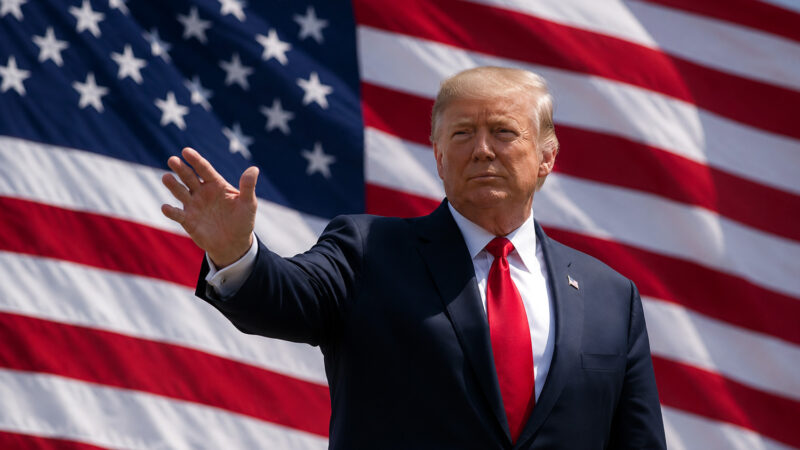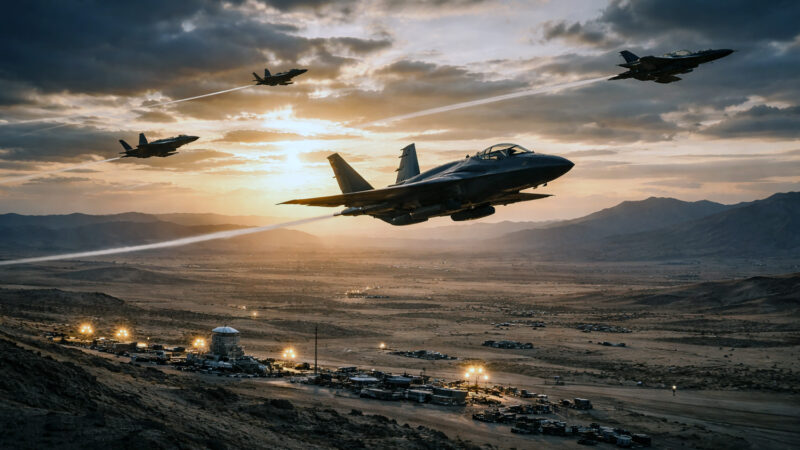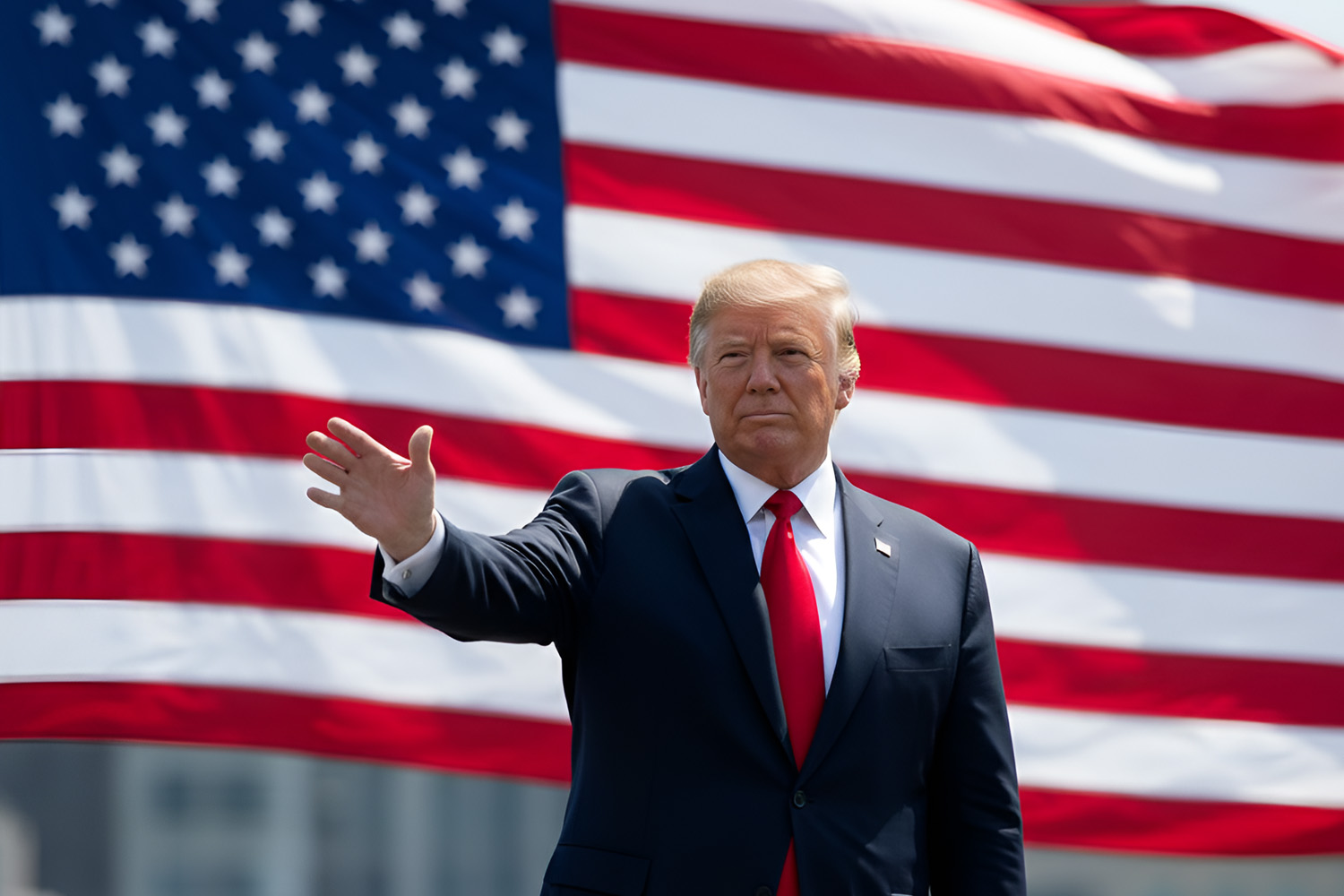
U.S. President Donald Trump announced on January 23, 2026, that a significant U.S. naval force – described by him as an “armada” – is moving toward Iran, while asserting that Washington hopes to avoid military conflict. Trump made the comments to reporters aboard Air Force One after attending the World Economic Forum in Davos, Switzerland, saying the United States is “watching Iran very closely.”
Trump did not outline specific triggers for potential military action, but emphasized that the fleet’s presence is intended as a warning and a deterrent, stating, “We have a big force going that direction. I’d rather not see anything happen, but we’re watching them very closely… maybe we won’t have to use it.”
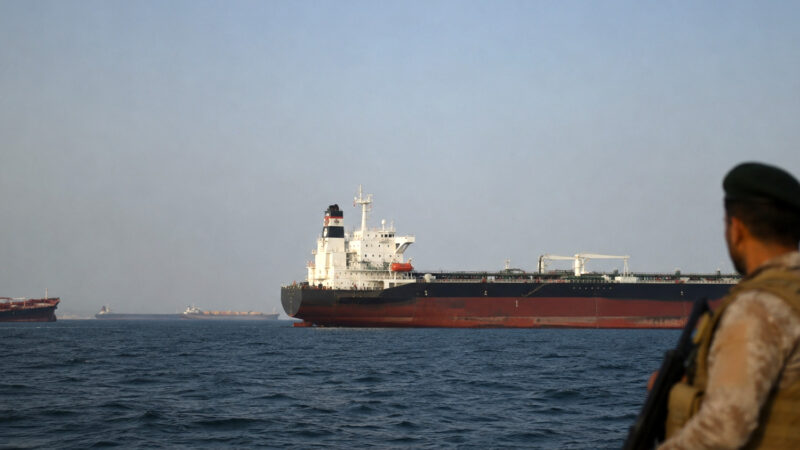
According to U.S. officials cited in international reports, the aircraft carrier USS Abraham Lincoln and several guided-missile destroyers are expected to arrive in the Middle East in the coming days, with the deployment aimed at expanding Washington’s options amid heightened tensions with Tehran.
Context: Why U.S. Forces Are Being Moved
The buildup of U.S. naval assets follows months of unrest and international tension involving Iran. Widespread antigovernment protests broke out in Iran in late 2025, prompting a severe security crackdown. In recent weeks, Trump had threatened military action over Iran’s treatment of protesters and its nuclear program before backing off some of his strongest rhetoric after Tehran reportedly halted planned executions.
Trump reiterated on Thursday that the United States would act if Iran resumed its nuclear ambitions, adding that Tehran “can’t do the nuclear,” and hinting that force could be used again if necessary.
Iranian Response and Regional Reaction
Iranian officials have responded firmly to the U.S. pressure. Iran’s Islamic Revolutionary Guard Corps (IRGC) warned that its forces have their “finger on the trigger” and are prepared to act if threatened, a statement reflecting Tehran’s willingness to defend its interests and territory.
Meanwhile, international concern continues to grow over both the humanitarian situation inside Iran and the potential for a broader confrontation in the Middle East.
Economic Impact: Oil Prices and Market Responses
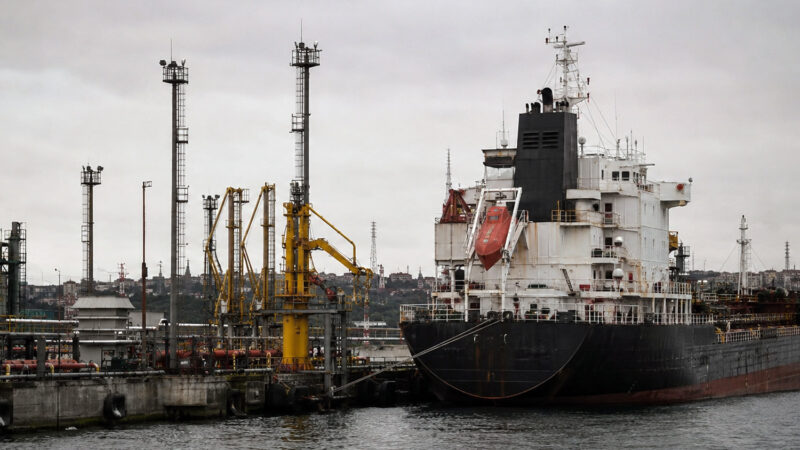
Global oil markets reacted to the heightened geopolitical risk. Oil prices rose as traders priced in the possibility of supply disruptions linked to increased U.S. military activity in the region. This reflects how geopolitical tensions in the Gulf can spill over into energy markets, even when direct conflict has not occurred.
What Trump’s Statements Mean
- Military Deployment as Deterrence: Trump framed the naval movement as a precautionary measure meant to deter Iranian actions rather than an immediate plan for combat.
- Focus on Monitoring: The United States is closely monitoring Iranian behavior, particularly around nuclear development and domestic security operations.
- No Clear Trigger Announced: Trump did not specify the precise conditions that would trigger military action, instead reiterating U.S. warnings and emphasizing a preference to avoid conflict.