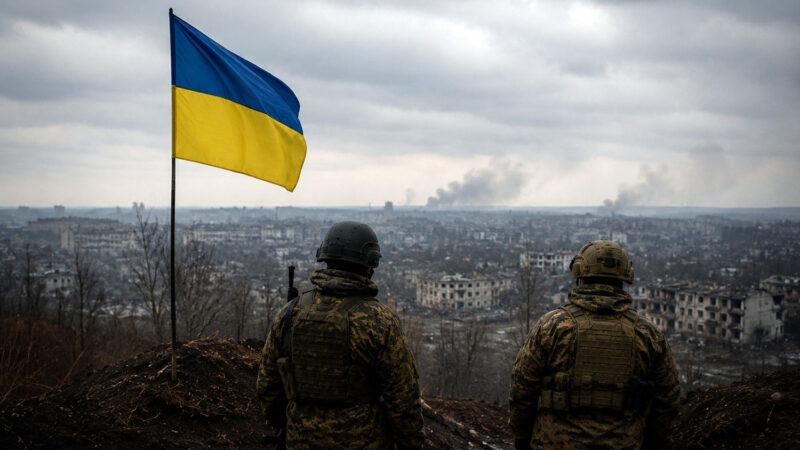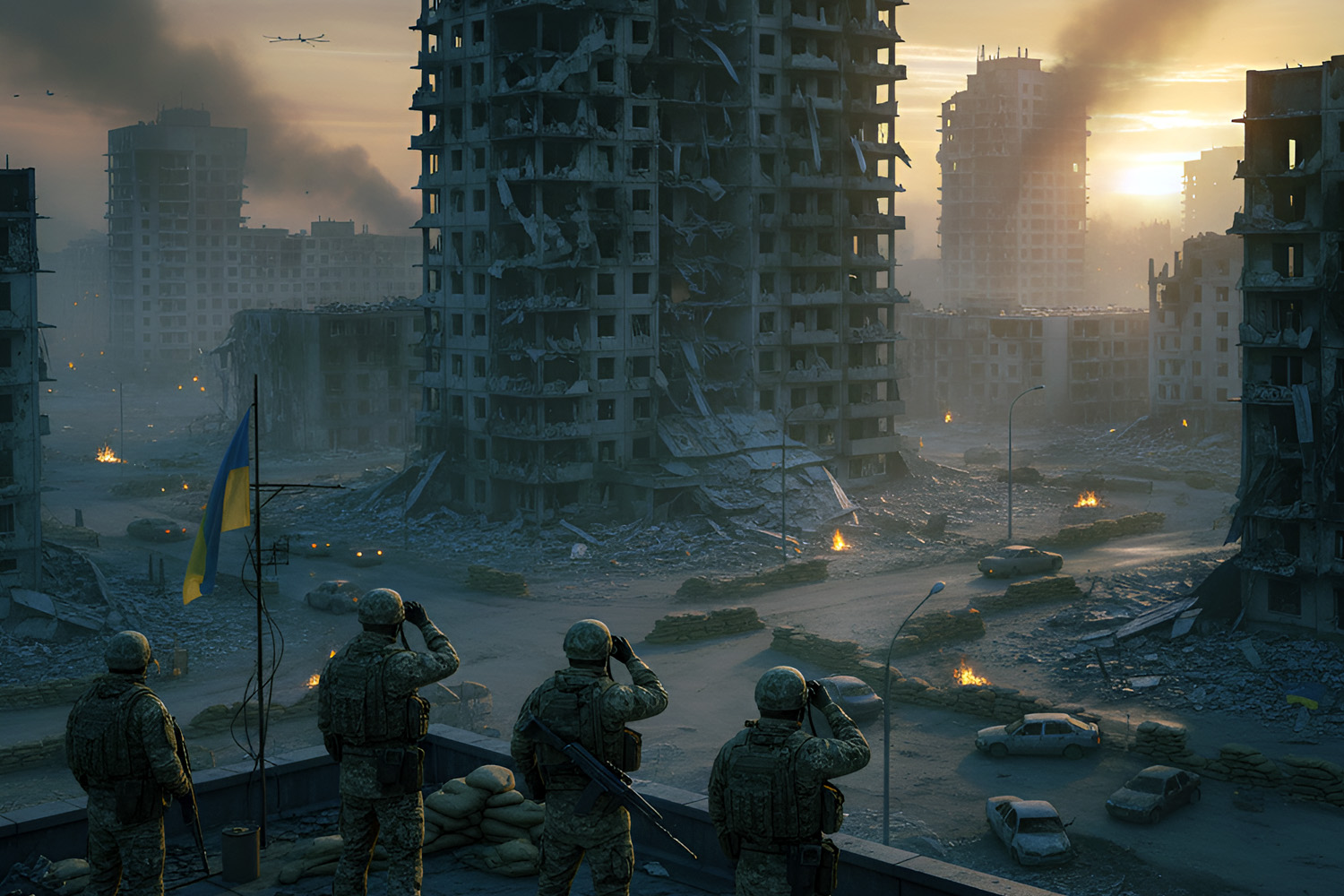
As the conflict in Ukraine enters its fourth year, diplomatic channels across major global capitals are intensifying, with renewed talks and proposals aiming to bring about a ceasefire and a negotiated settlement. Key diplomatic hubs – from Paris to Moscow to Washington – have seen increased activity as nations seek a path toward peace.
What’s Happening on the Diplomatic Front
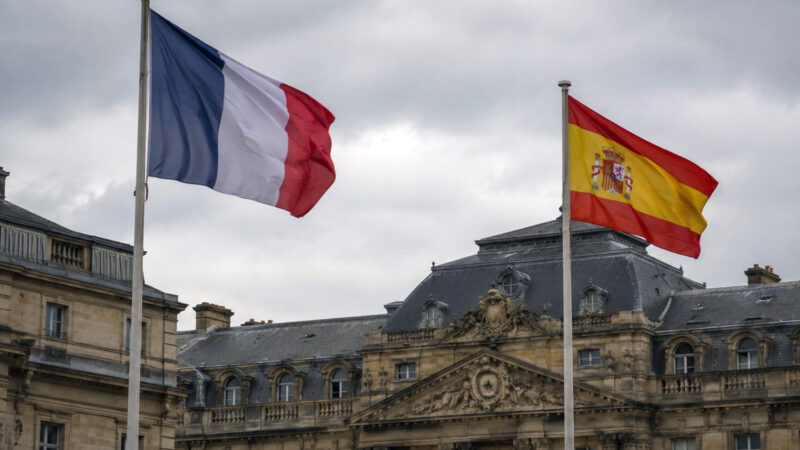
- Over the past few months, several European capitals have reportedly hosted back-channel discussions involving Ukrainian, Russian, and third-party representatives – although participants rarely confirm details publicly. The purpose: to explore ceasefire proposals, prisoner exchanges, and frameworks for long-term security and territorial questions. Observers note the tone of negotiations has become more serious, reflecting war fatigue and economic pressures across Europe.
- In Washington, there has been renewed debate among U.S. political figures and international partners about the shape of a possible “peace plan.” Unofficial leaks of draft proposals have sparked public discussion – though neither the U.S. government nor allied governments have confirmed an official plan. The leaks intensified diplomatic activity globally, as allies and adversaries alike weigh potential scenarios.
- Russia and Ukraine have reportedly maintained low-level communications via intermediaries, even as active fighting continues. These communications appear aimed at exploring localized ceasefires, humanitarian corridors, and exchange of prisoners – small steps that some hope could build momentum toward broader talks.
What’s Driving the Push for Diplomacy
Several factors appear to be motivating intensified diplomatic efforts now:
- War fatigue and economic strain: The protracted conflict has taken a heavy toll on European economies and global energy and food markets. As costs mount, there is increasing pressure on governments to find an exit route.
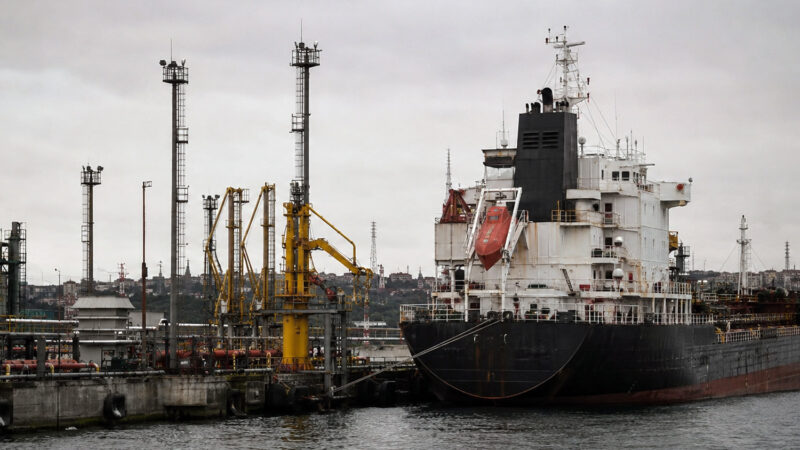
- Global food and energy security concerns: With disruptions to grain exports and energy supplies, nations beyond the conflict zone are pushing for de-escalation to stabilize markets and supply chains.
- Domestic political pressure: Leaders in many countries – facing public frustration over inflation, budget burdens, and migrant inflows – are under pressure to support peace initiatives.
- Humanitarian considerations: The magnitude of civilian casualties, displacement, and destruction has reignited efforts by humanitarian organizations and neutral states to push for ceasefire dialogues and safe-passage agreements.
What Diplomacy Could Achieve – And What Hangs in Balance
If diplomatic efforts succeed, possible outcomes include:
- A temporary or partial ceasefire, allowing humanitarian relief, reconstruction planning, and rebuilding of civil society infrastructure.
- Negotiated settlements over territorial and security issues – possibly with international guarantees and oversight mechanisms.
- De-escalation in global commodity and energy prices, helping to ease inflation and supply disruptions worldwide.
- A framework for long-term peace that might integrate Ukraine’s security concerns with regional stability, thereby reducing broader geopolitical tensions.
However, significant obstacles remain. Trust between parties remains minimal; battlefield dynamics continue to shift; and external actors have conflicting interests. Moreover, public disclosure of draft peace plans has already provoked distrust on both sides. For diplomacy to succeed, any agreement will likely need strong international guarantees, transparent negotiation processes, and credible enforcement of any ceasefire or treaty terms.
Why This Moment Matters
The current wave of diplomacy represents one of the most serious and broad-based pushes for peace since the war began. With economic headwinds, public fatigue, and growing humanitarian cost, the urgency for resolution is rising. If successful, this could mark a turning point – not just for Ukraine and Russia, but for global stability, European security architecture, and the post-war reconstruction of the region.
As diplomatic efforts evolve, the world watches closely – aware that any breakthrough will require compromise, courage, and long-term commitment by all parties.