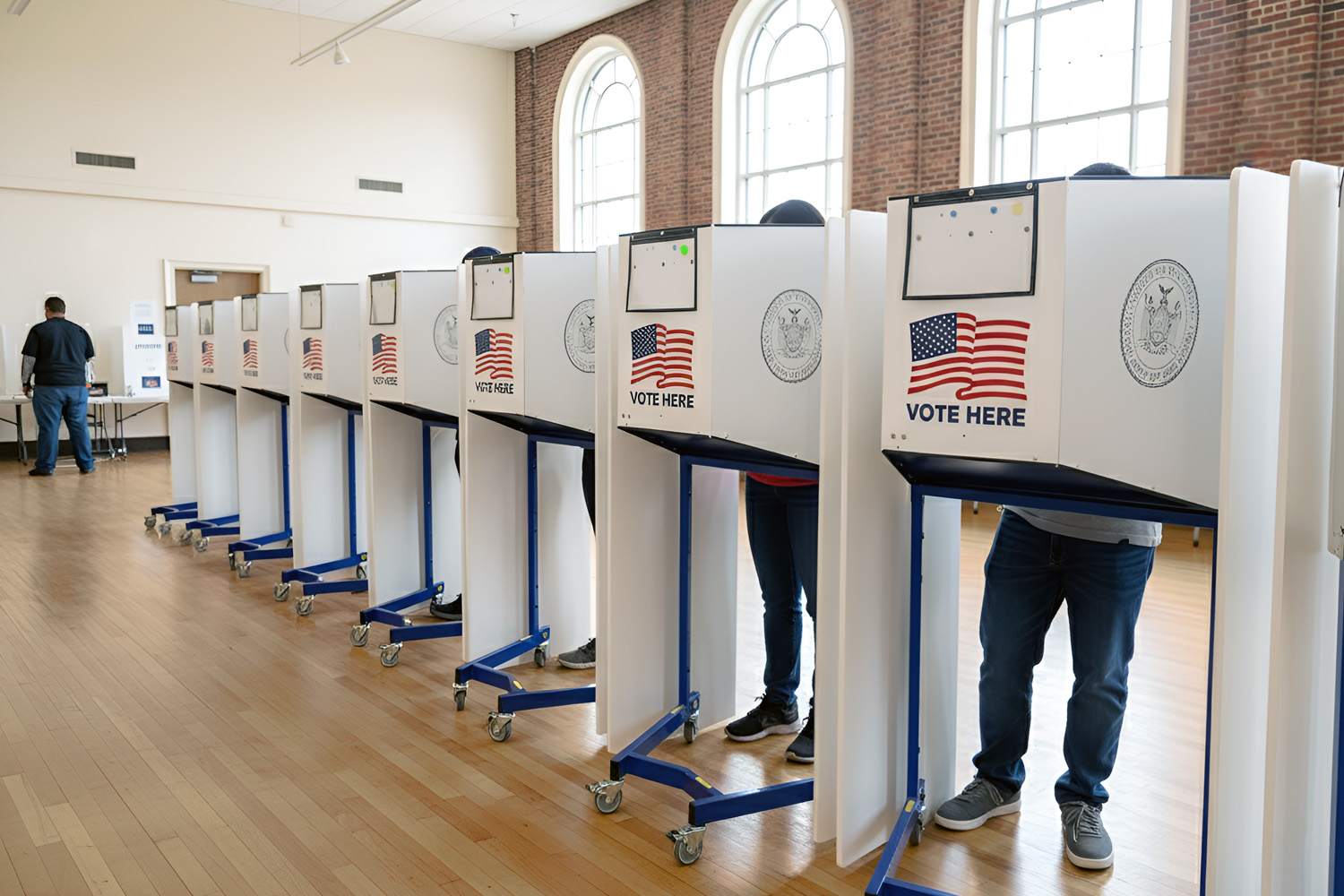
In the United States, a series of significant state and local elections scheduled for 4 November 2025 are widely viewed as a barometer of public mood in the first year of President Donald Trump’s second administration.
What’s on the ballot
- In New York City, a high-profile mayoral race pits progressive Democrat Zohran Mamdani against former governor Andrew Cuomo (running as an independent) and Republican Curtis Sliwa. The contest has drawn national attention as much for its ideological character as its local stakes.
- In Virginia, voters will choose a governor in a race that features a Republican challenger and a Democrat-both women-marking a historic potential outcome for the state. (Reuters describes it as a “litmus test” of Trump-era politics.)
- In New Jersey, the gubernatorial contest is framed around issues of affordability, cost of living and suburban voter discontent-areas where both major parties believe voter sentiment is shifting.
- In California, voters face a redistricting ballot measure that could reshape congressional representation-adding a dimension of national party strategy to what might otherwise be a routine vote.
Why these races matter
Although these are not presidential or major midterm elections, they carry oversized importance. Analysts say they will:
- provide early signals of how voters feel about the Trump administration’s first year and whether its alliance with suburban and working-class voters is holding.
- influence momentum for the 2026 congressional midterms and even the 2028 presidential contest, given the political capital invested in them.
- test whether local and state issues-such as housing affordability, cost-of-living, crime, and redistricting-are driving voters more than national narratives alone.
- reflect shifting party strategies: Democrats look to protect or build on their urban and suburban bases, while Republicans aim to expand into working-class and just-outside-the-suburbs voters.
Voter mood and significance
Observers note a mix of voter fatigue and fresh activism:
- In New York City, Zohran Mamdani’s campaign taps into concerns about affordability (childcare, transit, housing) and frames his run as a rejection of both establishment Democrats and Trump-era Republicans.
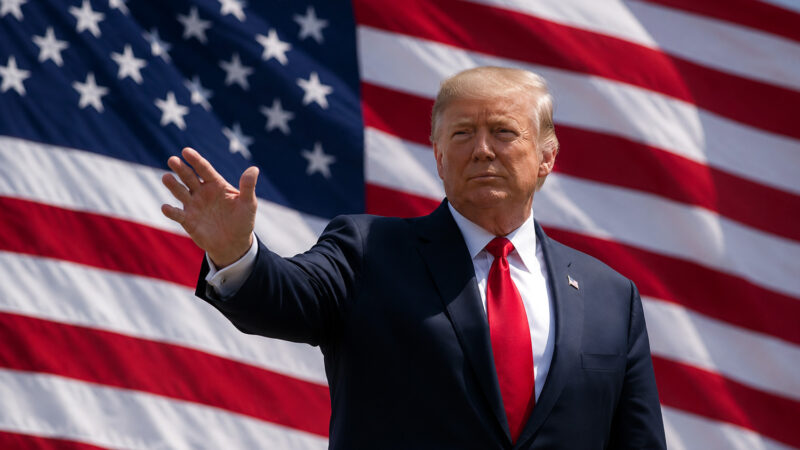
- Trump’s intervention-he threatened to withhold federal funds if Mamdani were elected-underscores how national politics has become deeply intertwined with local races.
- In Virginia and New Jersey, economic pressures (inflation, housing, taxes) dominate voter concerns; the outcome will show whether voters blame national leadership or local governance.
- The California redistricting vote signals how parties are preparing for 2026: the stakes include congressional seat counts, not just state control.
Risks and caveats
- Turnout in off-year elections is typically lower, which means results may skew toward the more motivated party base rather than reflecting broader public sentiment.
- Local dynamics often outweigh national ones-results may more reflect individual candidate quality, local issues and campaign organisation than overarching national mood.
- While early signals matter, they are not determinative: national midterms and presidential years still carry larger electorates and stakes.
What to watch next
- The initial results (Nov 4 evening into Nov 5) in NYC, Virginia, New Jersey and California: Did incumbents/establishment candidates hold on or did insurgents make gains?
- Voter turnout breakdowns: Which demographics were more active (young voters, suburban women, working-class men)?
- Post-election narratives: What will parties claim from victory or defeat-will Democrats spin this as proof of resilience? Will Republicans claim an inroads breakthrough?
- Implications for 2026/2028: How will strategists adjust messaging, fundraising and ground game in light of these results?
The 4 November 2025 elections may seem local, but they carry broad implications. For President Trump and both major parties, the outcomes will serve as an early gauge of how Americans feel after a full year of his second term-and may well influence how campaigns are run and issues are framed heading into the next major electoral cycle.