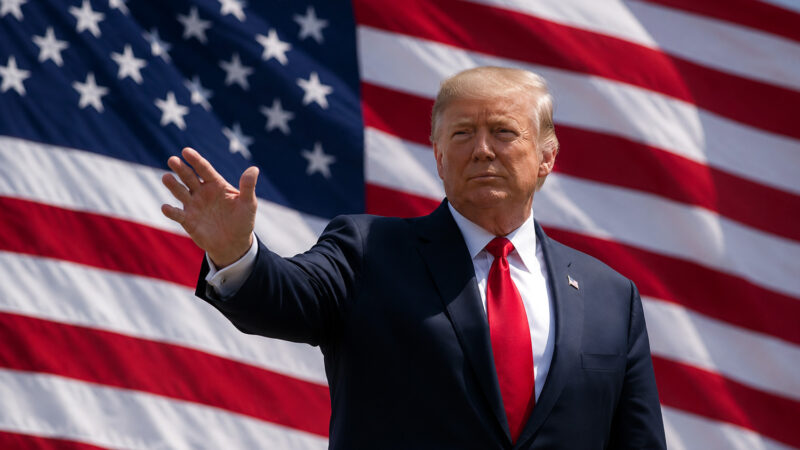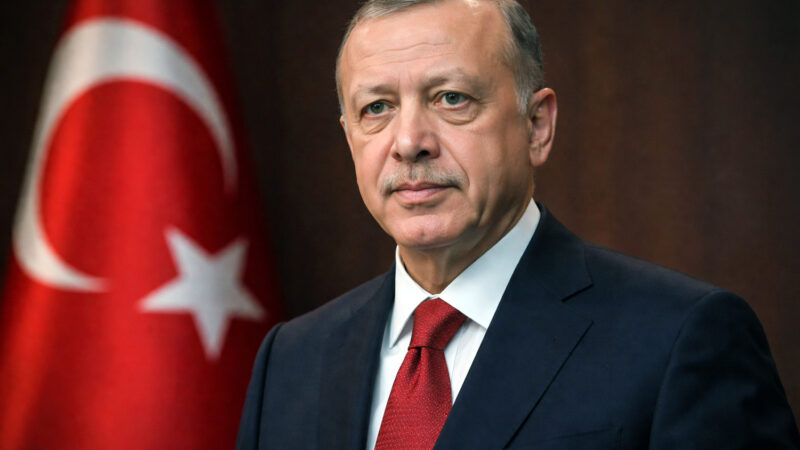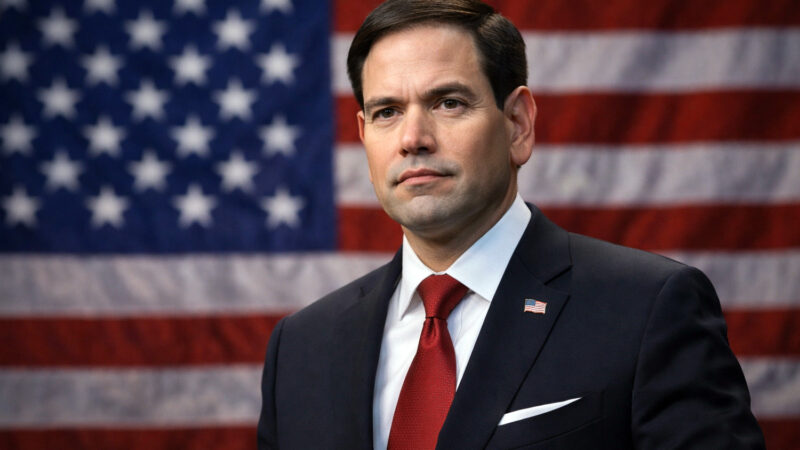
President Trump publicly announced that he had instructed the Pentagon (referred to in his message as the “Department of War”) to begin testing U.S. nuclear weapons “on an equal basis” with other nuclear powers. The announcement emphasized perceived advances in Russian and Chinese delivery systems and framed renewed testing as necessary to maintain U.S. strategic advantage. This announcement has been covered widely in international outlets and represents a major shift in U.S. nuclear posture.
Why this is significant
- End of a de-facto moratorium: The United States has not conducted a full-yield, explosive nuclear weapons test since 1992. A presidential order to resume testing would mark the first such reversal in more than three decades, with major diplomatic, legal and technical implications.
- Arms-control impact: Resumed testing could strain remaining arms-control frameworks and complicate negotiations (for example the successor arrangements to New START) and international non-proliferation norms. Critics warn that tests would likely spark counter-moves from other nuclear powers.
- Technical & operational steps: Restarting full-yield tests requires specialized facilities, environmental and safety oversight, and policy approvals inside the national security establishment; it also carries reputational and diplomatic costs. Media coverage indicates immediate political debate within the U.S. and among allies.
The U.S. and Russian arsenals – latest verified estimates (2025)
Reliable open-source estimates are produced by organizations such as the Bulletin of the Atomic Scientists, the Federation of American Scientists (FAS), and SIPRI. Below are the widely-cited 2025 estimates:
United States (2025 estimates):
- Stockpile: ~3,700 warheads assigned for use (stockpile).
- Deployed strategic warheads: ~1,770 (on ICBMs, SLBMs and bomber forces).
- Total inventory (including reserve and retired awaiting dismantlement): ~5,000–5,200 warheads depending on counting rules.
These figures come from the Bulletin/FAS Nuclear Notebook and corroborating analyses.
Russia (2025 estimates):
- Stockpile: ~4,300–4,400 warheads assigned for use.
- Deployed strategic warheads: ~1,700–1,800 (ICBMs, SLBMs, heavy bombers).
- Total inventory: estimates range near ~5,400–5,500 warheads (including reserve and non-strategic/tactical warheads).
These estimates reflect uncertainty around deployed vs. non-deployed tallies and are drawn from the Bulletin, FAS and SIPRI reporting.
Global context: SIPRI and related trackers estimate about ~12,200 total global warheads (January 2025), with the U.S. and Russia together holding the large majority. SIPRI and the Bulletin emphasize that numbers can vary between sources depending on classification of tactical weapons, retired-but-not-dismantled warheads, and counting rules.
Qualitative differences: not just numbers
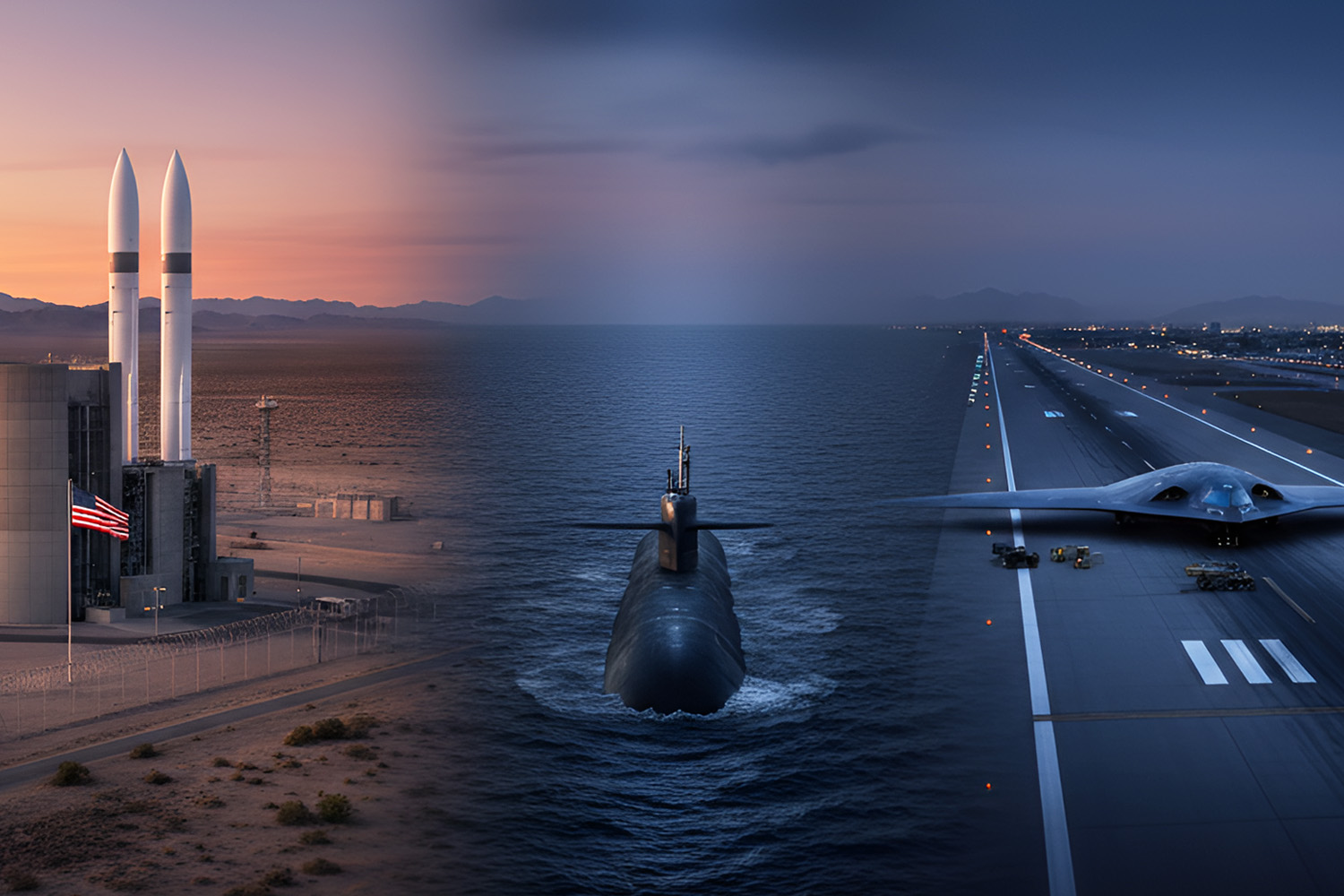
- Triad & modernization: Both the U.S. and Russia maintain the nuclear triad (land-based ICBMs, submarine-launched ballistic missiles, and strategic bombers) and are engaged in modernization programs. For the U.S., modernization programs include Columbia-class submarines, Sentinel (ICBM replacement) and the B-21 bomber program (with timelines stretching into the 2030s). Russia is also modernizing delivery systems and has been developing novel platforms that have drawn international attention.
- Tactical (non-strategic) weapons: Russia retains a comparatively large tactical (short-range) nuclear stockpile-estimates vary widely-and doctrine around these weapons differs from U.S. doctrine, increasing complexity in crisis scenarios. Tactical warheads are harder to verify and are often omitted from treaty counts.
- Novel delivery systems: Recent years have seen claims and demonstrations (by Russia and others) of exotic delivery systems (e.g., nuclear-powered cruise prototypes, unmanned underwater nuclear drones). Such programs are often cited by policymakers as reasons to revisit deterrence postures and testing policies. Note that technical claims and their operational status are often contested.
Legal, environmental and diplomatic considerations
- Non-proliferation norms: While the U.S. is not legally banned from testing by a global treaty (the Comprehensive Nuclear-Test-Ban Treaty [CTBT] has not entered into force), there has been a long-standing international norm and widespread political opposition to resuming explosive testing. Resuming tests could complicate U.S. diplomacy on non-proliferation.
- Environmental/health risks: Full-yield explosive tests carry local environmental and radiological risks; modern resumption would require careful site selection and safety oversight. Historically, nuclear testing left long-term impacts on communities near test sites.
Possible short- and medium-term consequences
- Reactive moves by other states: A U.S. return to explosive testing could prompt reciprocal steps or accelerated programs by Russia and China, heightening tensions and potentially accelerating an arms race dynamic flagged by SIPRI and other institutes in 2025.
- Arms-control erosion: Key bilateral or multilateral negotiation spaces (New START successor arrangements, CTBT-related diplomacy) would face increased strain.
- Domestic politics & oversight: In the U.S., a decision to resume testing would immediately provoke legislative debate, possible legal challenges, and calls for oversight from Congress, experts and civil-society groups.
Bottom line
President Trump’s October 29, 2025, directive to begin U.S. nuclear weapons testing “on an equal basis” with other powers is a momentous policy break with three decades of de-facto U.S. restraint. Open-source estimates for 2025 show the U.S. and Russia continue to hold the vast majority of global warheads (each maintaining several thousand warheads by various counting rules). Resumed testing would have immediate diplomatic, arms-control and security implications and would likely accelerate international debate about deterrence, verification and non-proliferation.