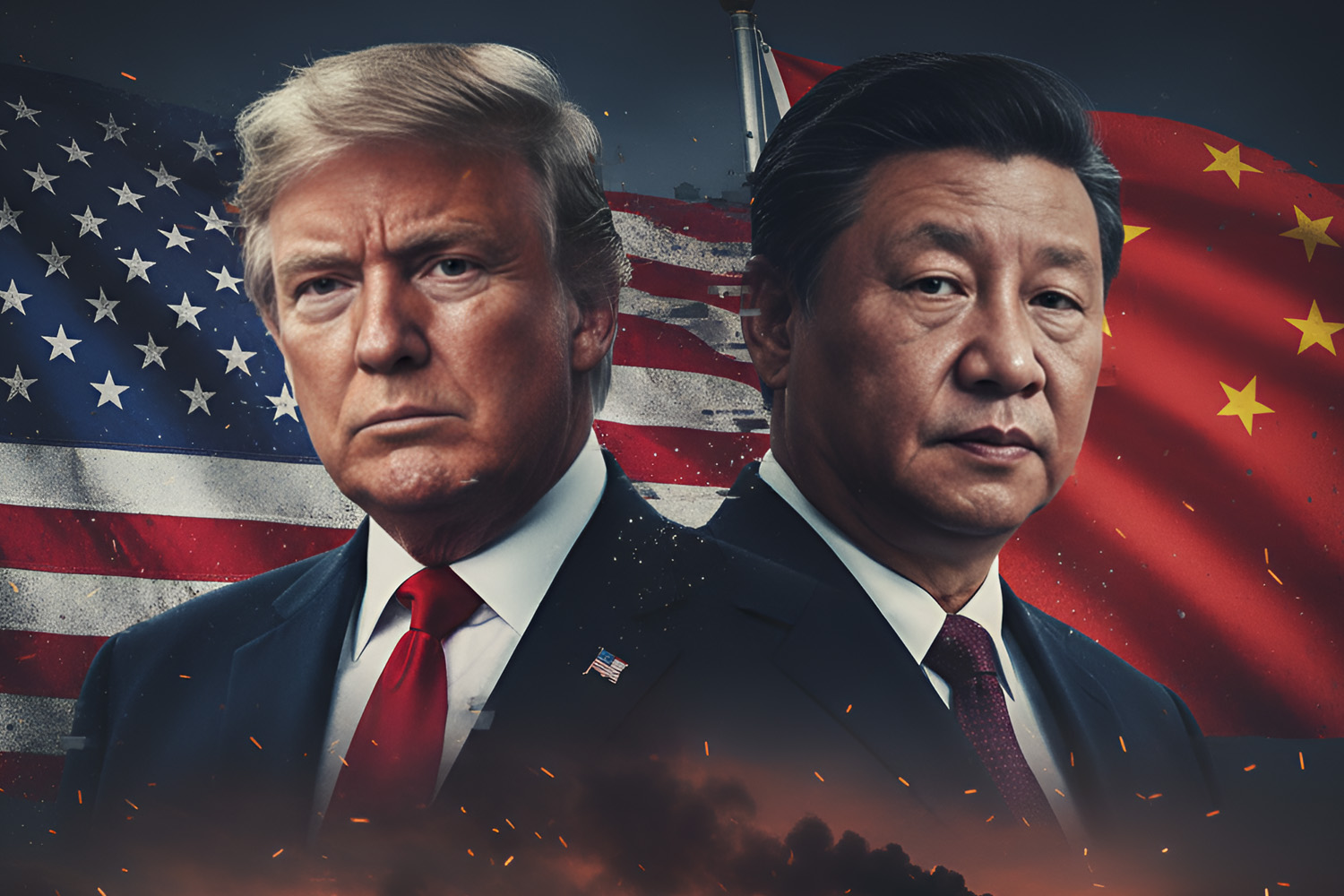
As of late October 2025, trade relations between the United States and China have entered a tense phase as President Donald Trump has threatened to impose sweeping new tariffs and tighter export controls if the two countries do not reach a deal by November 1, 2025. The White House announcement and subsequent comments by senior U.S. officials have put markets and supply chains on alert as negotiators work to avert escalation.
The measures proposed by the U.S. include an additional 100% tariff on certain Chinese imports and a 25% tariff on imported medium- and heavy-duty trucks, along with tighter export controls targeting critical software and advanced technologies. At the time of reporting these measures remain threatened/announced by the President and are subject to legal and administrative steps before full implementation.
U.S.–China talks continue alongside the deadline: negotiators have been discussing possible compromises (including pauses or narrower measures) and leaders from both countries have signalled both willingness to talk and to hold firm on strategic objectives. A potential meeting between Presidents Trump and Xi Jinping-timed around international summits-has been discussed as a possible venue to seek a last-minute agreement.
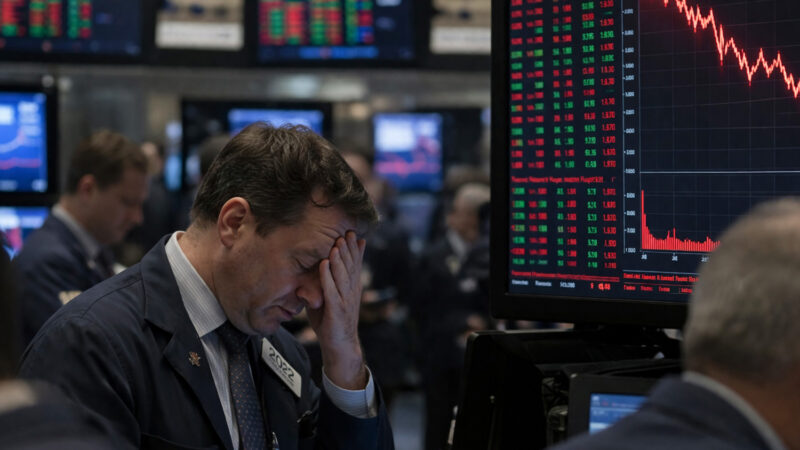
Markets reacted quickly to the prospect of new barriers: global equities showed volatility after the President’s initial announcements, commodity prices and supply-chain sensitive sectors moved, and importers began weighing the potential commercial impact of sharply higher tariff rates. Analysts warn that if the tariffs and export controls take effect as threatened, the disruption to manufacturing, logistics and technology supply chains could be substantial.
Legal and practical questions remain about how the tariffs and export controls would be implemented. Some U.S. officials and market actors have indicated that diplomatic progress could delay or narrow the proposed measures; others note that even the threat of such sweeping steps has already prompted companies to adjust ordering and sourcing plans. Observers caution that the situation is fluid and outcomes depend on both the political will to impose measures and on whether negotiators can reach a credible, enforceable agreement.