Energy markets have long been among the most sensitive sectors to geopolitical instability. Oil remains the most widely traded commodity in the world, and disruptions in major producing regions quickly translate into price volatility across global markets. The ongoing conflict involving Iran in the Middle East has once again highlighted this structural vulnerability, pushing crude prices higher and raising retail fuel costs across major economies.
The immediate market reaction has been visible in benchmark crude oil prices. Global oil benchmarks such as Brent Crude and WTI Crude Oil have risen significantly as traders priced in the risk of supply disruptions from one of the world’s most strategically important energy regions. Even when physical supply losses remain limited, uncertainty about shipping routes, export facilities, and geopolitical escalation can add a “risk premium” to crude prices.
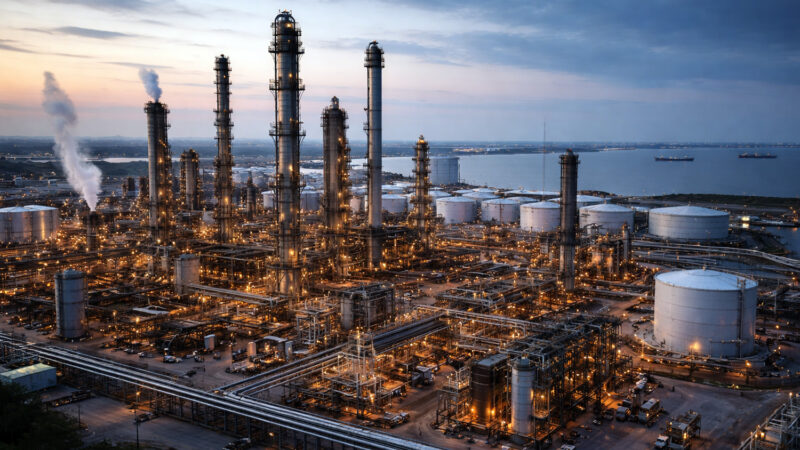
For fuel markets, the effect is direct. Since gasoline and diesel are refined from crude oil, fluctuations in oil prices quickly propagate through the refining system and into retail prices.
The Strategic Vulnerability of Global Oil Supply
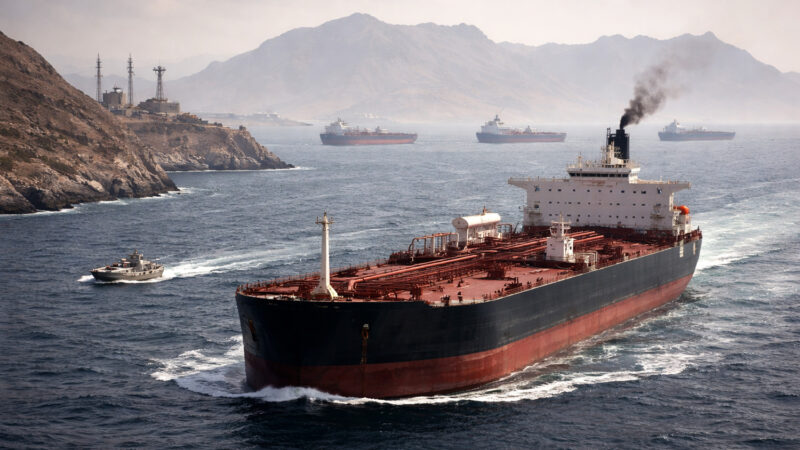
Iran occupies a critical position in global energy logistics because of its proximity to the Strait of Hormuz – a maritime corridor through which roughly one-fifth of global oil shipments pass. Any military escalation in this region introduces uncertainty for energy traders, shipping companies, and refiners.
This uncertainty has immediate financial implications. Oil markets function largely on expectations. If traders believe that supply disruptions may occur, prices rise even before physical shortages appear.
For energy companies and refiners, this volatility translates into fluctuating refining margins, shifts in crude sourcing strategies, and increased hedging activity in energy derivatives markets.
The result is a complex chain reaction: geopolitical risk influences crude prices, crude prices influence refining costs, and refining costs ultimately determine retail fuel prices.
Current Fuel Prices in Major Markets
Retail fuel prices differ widely across regions because they incorporate multiple cost components: crude oil, refining, transportation, and taxes.
In the United States, gasoline prices remain lower than in most developed economies due to comparatively low fuel taxation. Current averages indicate gasoline prices near $3.60–$3.70 per gallon, equivalent to roughly $0.95–$0.98 per liter. Diesel prices are slightly higher, typically around $1.00 per liter, reflecting stronger demand from freight and logistics sectors.
Fuel sold through networks operated by companies such as ExxonMobil and Chevron generally follows national market averages, though regional variations occur due to state-level taxes and distribution costs.
In Europe, retail prices are substantially higher because taxes account for a significant share of final fuel costs. Average gasoline prices across large European economies currently range between €1.60 and €1.90 per liter, while diesel prices are typically between €1.55 and €1.85 per liter.
Major European fuel retailers such as Shell and BP operate within these market ranges. However, as in the United States, the companies themselves do not directly determine pump prices; instead, prices reflect wholesale fuel markets, taxation policies, and regional distribution costs.
The recent rise in crude prices has already contributed to modest increases in fuel costs in both markets, though the full impact often appears gradually as refining and distribution cycles adjust.
Economic Transmission Effects
From a business perspective, rising fuel prices affect the global economy through several transmission channels.
The first is transportation. Diesel powers much of the global logistics network, including trucks, shipping, and rail freight. When diesel prices increase, the cost of moving goods rises as well, affecting everything from retail products to industrial materials.
The second channel is inflation. Energy costs are a fundamental component of production and distribution. Sustained increases in fuel prices can raise the overall price level in an economy, complicating monetary policy for central banks attempting to control inflation.
The third channel involves corporate profitability. Airlines, shipping companies, and logistics firms are particularly sensitive to fuel price volatility. Many of these companies rely on hedging strategies in oil futures markets to stabilize operating costs.
As a result, geopolitical shocks in oil markets can influence corporate earnings and financial markets far beyond the energy sector itself.
Strategic Responses by Governments and Markets
Governments and international institutions often respond to energy shocks with policy interventions designed to stabilize supply and prices.
One key mechanism is the use of strategic petroleum reserves, which allow governments to release stored crude oil during supply disruptions. These reserves serve as a buffer against sudden shortages and can moderate extreme price spikes.
Energy-importing countries are also accelerating long-term diversification strategies. These include expanding renewable energy capacity, securing alternative crude suppliers, and increasing investment in energy infrastructure.
From a market perspective, volatility has reinforced the importance of risk management in energy trading. Financial instruments such as oil futures and options allow companies to hedge against price fluctuations, helping stabilize costs for producers and consumers alike.
The Broader Structural Trend
The current price surge illustrates a deeper structural reality of global energy markets: oil remains deeply embedded in the world economy despite ongoing efforts to transition toward alternative energy sources.
Transportation systems, petrochemical industries, and aviation remain heavily dependent on petroleum products. As long as this dependence continues, geopolitical instability in major oil-producing regions will have global economic consequences.
At the same time, repeated supply shocks are reinforcing long-term diversification trends. Many countries are investing in renewable energy, electrification of transportation, and expanded energy storage systems in order to reduce exposure to oil price volatility.
However, such transitions unfold gradually. In the near term, the global economy remains tightly linked to the stability of oil supply routes and producing regions.
A Market Defined by Risk and Interdependence
The conflict involving Iran demonstrates how quickly geopolitical events can influence global markets. Even the possibility of disruptions in critical energy corridors is enough to move prices and alter investment decisions across industries.
For businesses, the key lesson is not simply that oil prices rise during geopolitical crises. Rather, it is that the global energy system remains highly interconnected, with political developments capable of reshaping market dynamics almost instantly.
Until alternative energy systems become sufficiently dominant to replace petroleum in key sectors, fuel markets will continue to reflect this fundamental reality: energy prices are shaped as much by geopolitics as by supply and demand.