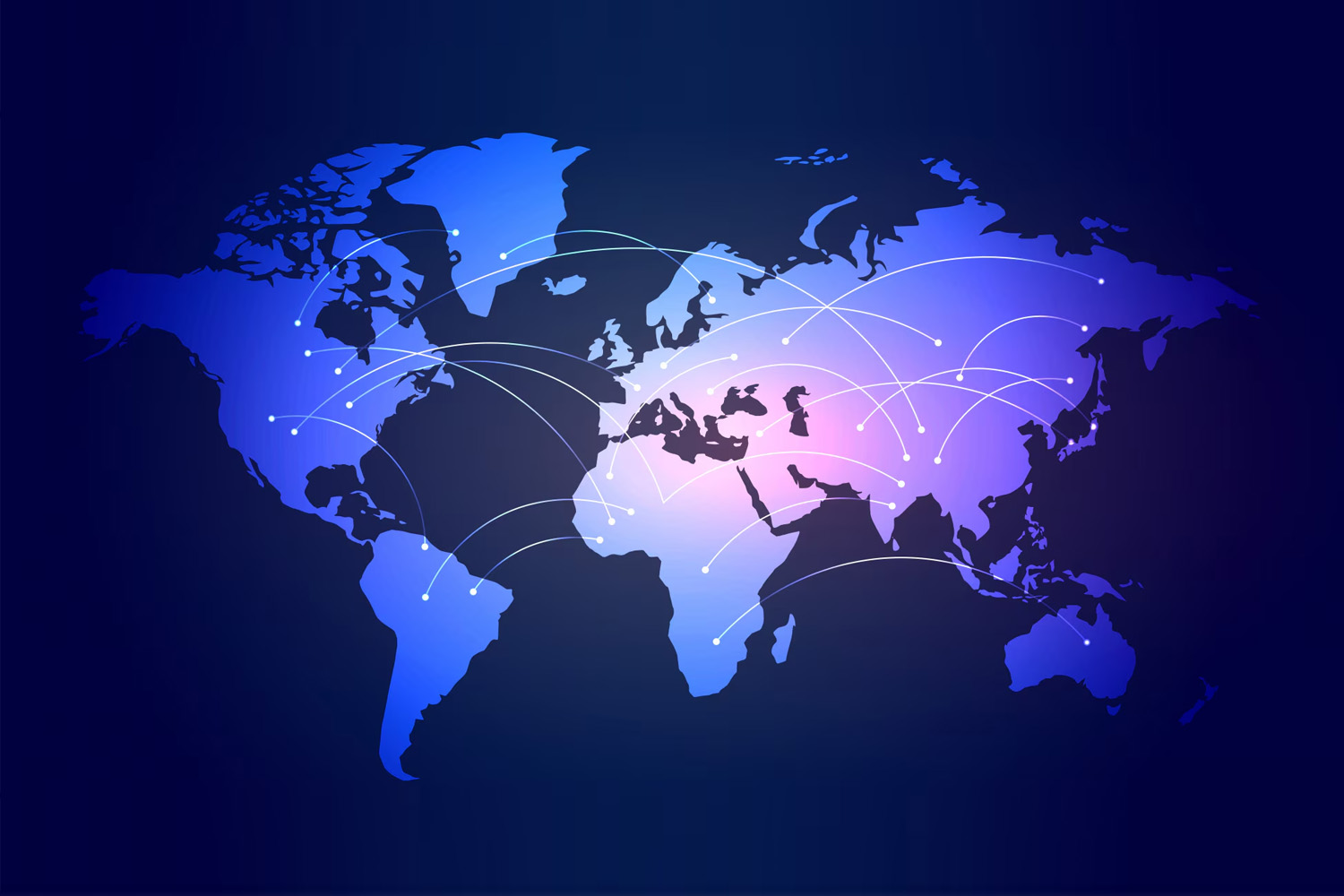
The global political landscape is undergoing one of its most significant transformations in decades. The traditional dominance of Western powers – led by the United States and Europe – is being challenged by the rapid rise of nations such as China, India, and Brazil. This shift toward multipolar geopolitics marks the emergence of a world where power is distributed more evenly across several influential centers, rather than concentrated in the hands of a few.
The roots of this transformation can be traced to economic growth, demographic expansion, and technological advancement across the Global South. According to the International Monetary Fund (IMF), emerging economies now account for more than half of global GDP (on a purchasing power parity basis), compared to just 36% in 1990. This economic momentum has translated into greater political confidence and international influence.
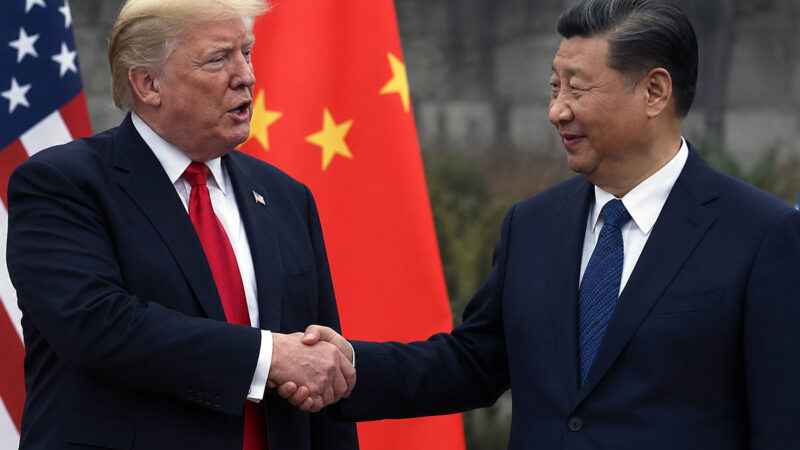
China remains at the forefront of this shift. As the world’s second-largest economy and a leading global manufacturer, China has become a central player in trade, infrastructure, and technology. Through initiatives like the Belt and Road Initiative (BRI), Beijing has built strategic partnerships across Asia, Africa, and Latin America, investing in infrastructure and energy projects that strengthen its global reach. Meanwhile, China’s growing assertiveness in international organizations and regional security matters reflects its ambition to shape global governance on its own terms.
India, now the world’s most populous nation, is emerging as a democratic counterbalance in Asia. Its rapid economic growth, expanding technology sector, and active participation in global diplomacy have enhanced its influence on issues ranging from climate change to digital governance. India’s role in the Quad alliance (with the U.S., Japan, and Australia) and in the BRICS group underscores its ability to bridge Western and non-Western blocs.
Brazil is also asserting itself as a key player in Latin America and beyond. As the region’s largest economy, it is focusing on renewable energy, food exports, and environmental diplomacy. Under renewed leadership, Brazil has reengaged with multilateral organizations and climate initiatives, advocating for a more balanced and inclusive global order.
Together, these nations are part of a broader coalition known as the Global South, which seeks to reform international institutions to reflect modern realities. The expansion of BRICS (Brazil, Russia, India, China, and South Africa) – with new members including Saudi Arabia, Egypt, and the UAE – highlights a growing appetite for alternatives to Western-led structures such as the IMF, World Bank, and G7. This movement is not necessarily anti-Western but rather pro-multipolar, emphasizing sovereignty, equitable trade, and regional cooperation.
However, the rise of multipolarity also introduces new complexities. The absence of a single dominant power makes coordination on global issues – such as climate change, cybersecurity, and conflict resolution – more challenging. Competing interests among rising powers themselves could lead to regional rivalries, as seen in Asia and the Middle East.
Nonetheless, the trend toward a multipolar world appears irreversible. It reflects a more diverse, interconnected, and competitive international system – one where leadership is earned through innovation, diplomacy, and strategic partnerships rather than inherited through historical dominance.
As power continues to shift east and south, the 21st century may be defined not by one superpower, but by many – each shaping global politics in its own way. The rise of multipolar geopolitics represents both a challenge and an opportunity: a chance to build a more balanced, representative, and collaborative world order.