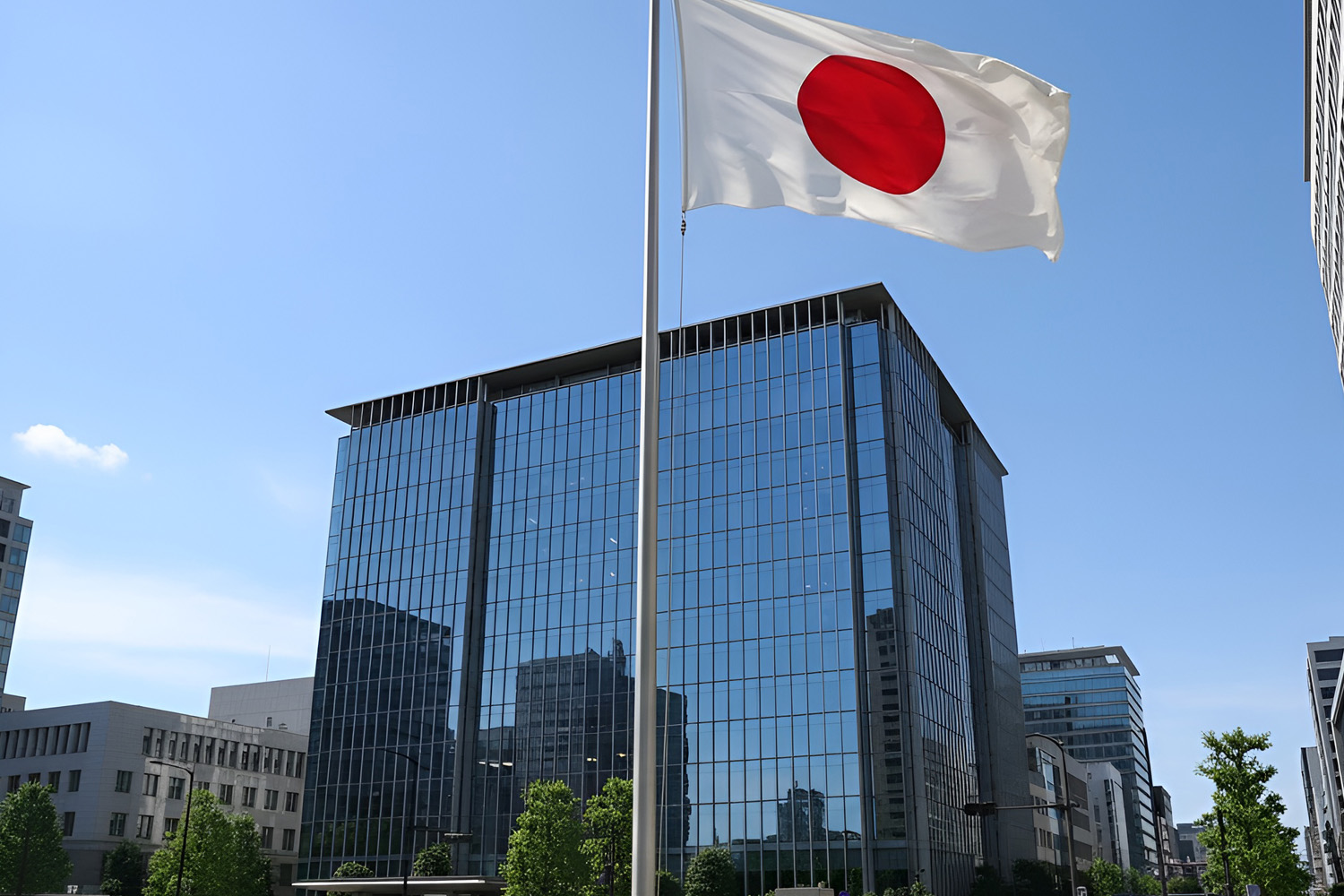
A major political shift has taken place in Japan as the ruling coalition between the Liberal Democratic Party (LDP) and its long-time partner Komeito has officially collapsed, ending one of the most enduring alliances in modern Japanese politics. The move, announced by Komeito leaders this week, has thrown Sanae Takaichi’s bid for prime minister into serious doubt and opened a new chapter of political uncertainty in Tokyo.
End of a Political Era
The LDP–Komeito coalition had been a cornerstone of Japanese governance for more than two decades, providing parliamentary stability and ensuring policy continuity through numerous administrations. However, growing policy disagreements – particularly over defense spending, constitutional reform, and social welfare priorities – have strained the relationship in recent months.
According to reports from The Financial Times and NHK, tensions reached a breaking point after negotiations over cabinet appointments and policy direction failed to produce a compromise. Komeito’s withdrawal leaves the LDP without a guaranteed majority in Japan’s National Diet, raising the risk of a snap election or a minority government scenario.
Impact on Leadership and Governance
The timing of the split could not be more critical. The LDP is currently navigating a leadership transition, with Sanae Takaichi emerging as the leading contender for prime minister following Fumio Kishida’s resignation earlier this year. Without Komeito’s parliamentary support, however, Takaichi’s path to securing the premiership has become significantly more difficult.
Political analysts suggest that the breakdown of the coalition could weaken Japan’s ability to pass key legislation, including defense budget expansions, tax reforms, and energy transition measures. Opposition parties have already begun informal talks about forming alliances to challenge the LDP’s dominance.
Economic and Diplomatic Implications
Japan’s markets reacted cautiously to the news. The yen edged slightly lower while the Nikkei 225 experienced modest volatility, reflecting investor concern over policy continuity. International observers are also watching closely, as Japan plays a crucial role in regional security, particularly amid tensions in the Indo-Pacific.
If prolonged, the political instability could affect Japan’s foreign policy posture, including its relations with the United States, China, and South Korea – key players in the region’s balance of power.
Conclusion
The collapse of the LDP–Komeito coalition marks a significant turning point in Japanese politics, ending years of stability under a two-party alliance that shaped much of the country’s post-2000 governance. As new alliances form and leadership battles intensify, Japan now faces a period of political recalibration – one that will test its institutions, economic resilience, and role on the global stage.