The International Monetary Fund (IMF) has raised its global growth forecast for 2025 to 3.0%, reflecting stronger-than-expected resilience in several major economies. The revised outlook comes despite ongoing challenges including high interest rates, geopolitical instability, and renewed trade tensions between major powers.
IMF Managing Director Kristalina Georgieva emphasized that the world economy has shown “remarkable endurance” in the face of multiple shocks-from the lingering effects of the pandemic to persistent inflation and supply chain disruptions. However, she cautioned that this recovery remains fragile, noting that we are entering a period of “exceptional uncertainty.”
Resilience Amid Global Headwinds
The IMF report highlights that growth in the United States, India, and parts of Southeast Asia continues to outperform expectations. Emerging markets, particularly in Africa and Latin America, have also shown steady recovery supported by investment and commodity exports.
However, growth in the Eurozone remains sluggish due to weak consumer spending and high energy prices, while China’s economic rebound is slowing as real estate challenges and export declines weigh on momentum.
Risks on the Horizon
Despite the improved outlook, the IMF warned of significant downside risks that could derail global progress. Among the top concerns:
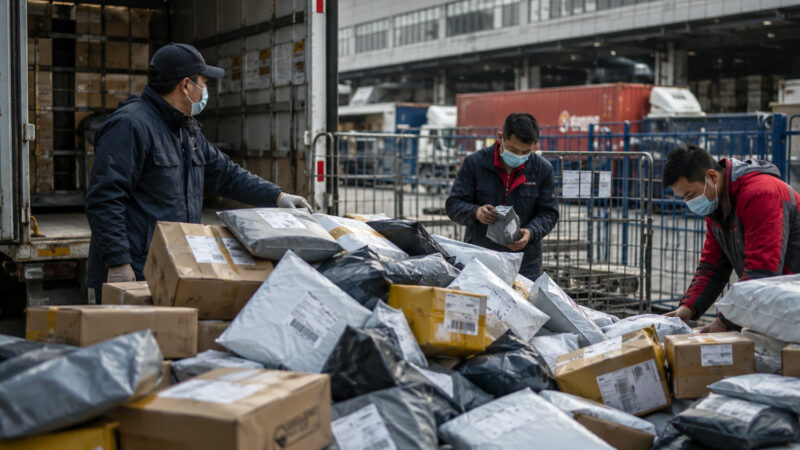
- Renewed Trade Tensions: Escalating tariffs between the U.S. and China could disrupt supply chains and reduce investment confidence.
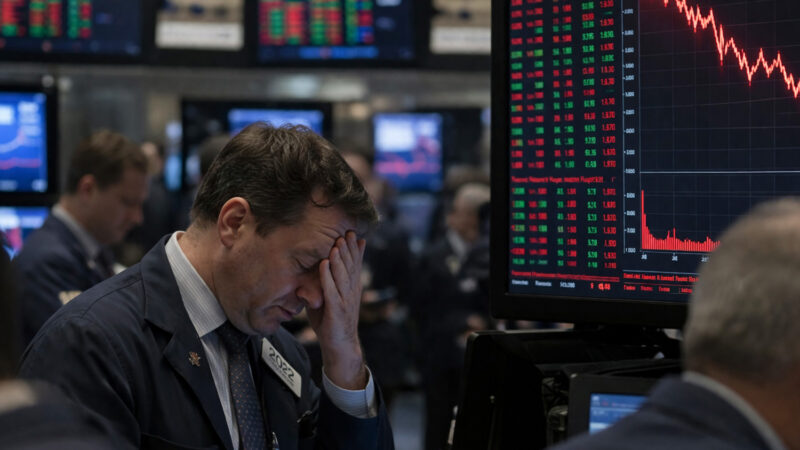
- Overvalued Financial Markets: Surging equity prices, particularly in the technology sector, have raised fears of an asset bubble.
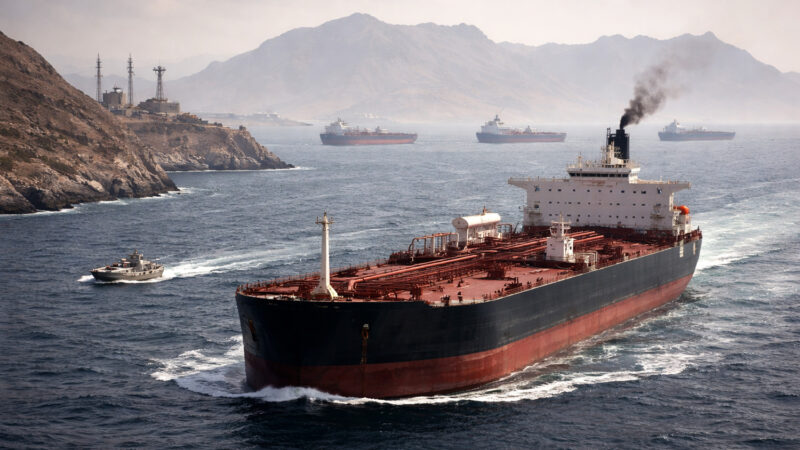
- Geopolitical Conflicts: Ongoing wars and political instability in Eastern Europe and the Middle East continue to threaten energy and commodity markets.
- High Debt Levels: Many developing nations face rising debt servicing costs, limiting their ability to invest in growth and social programs.
Inflation and Monetary Policy Outlook
While global inflation has eased from its 2022 peaks, the IMF expects core inflation to remain above target in many advanced economies well into 2026. Central banks are expected to maintain a cautious stance, avoiding premature rate cuts that could reignite price pressures.
A Call for Global Cooperation
Georgieva urged policymakers to strengthen international cooperation, support sustainable growth, and invest in technologies that enhance productivity and resilience. “The choices we make now-on trade, fiscal policy, and climate action-will determine whether this recovery endures,” she said.
Conclusion
The IMF’s latest forecast offers cautious optimism for the world economy in 2025. Growth is holding steady, but the foundation remains fragile. Persistent geopolitical tensions, financial vulnerabilities, and uneven recovery patterns underline the need for coordinated global action to secure long-term stability.