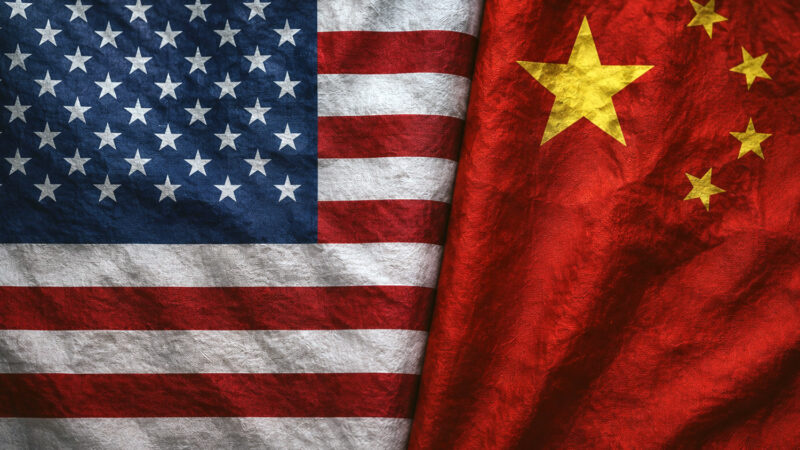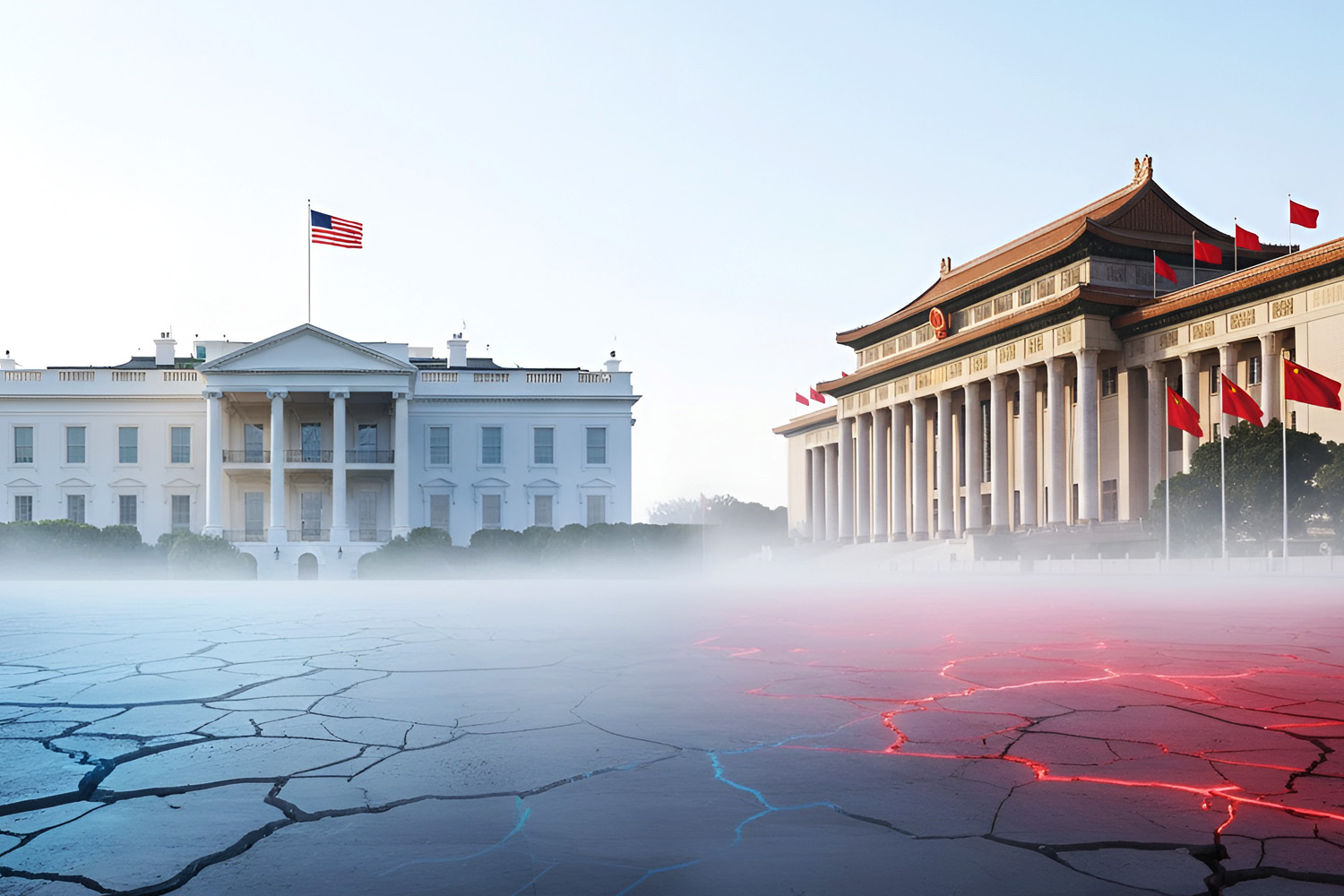
Global markets reacted sharply after U.S. President Donald Trump announced new 100% tariffs on Chinese imports, marking a significant escalation in the ongoing trade conflict between the world’s two largest economies. The decision, revealed in early October 2025, comes as a direct response to China’s export controls on rare earth elements, a group of critical materials essential for electronics, defense, and renewable energy industries.
The new tariffs are set to take effect on November 1, 2025, although implementation could begin earlier if China retaliates. The White House stated that the measures are intended to “protect American industries and national interests” following what it described as “unfair trade practices” and “strategic resource manipulation” by Beijing.
Market Reaction and Economic Impact
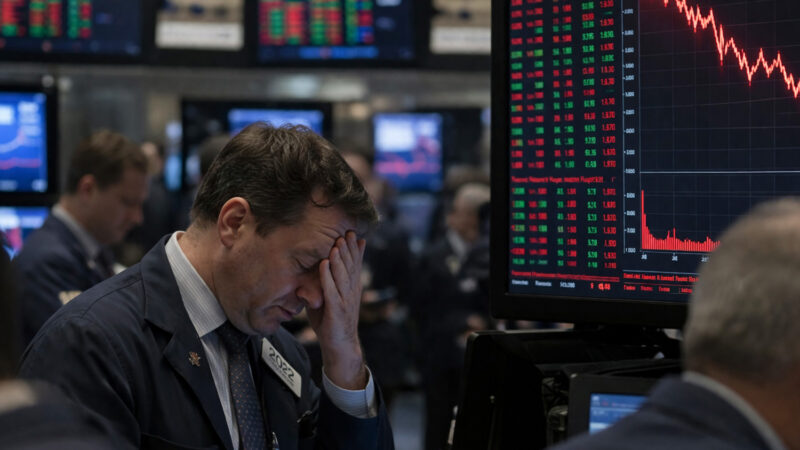
The announcement triggered immediate market volatility. On the day of the news, the Dow Jones Industrial Average fell nearly 900 points, while the S&P 500 dropped around 2.7%. Investors rushed toward safe-haven assets such as gold and U.S. Treasury bonds. Analysts warn that a prolonged tariff battle could further disrupt global supply chains, increase consumer prices, and slow international trade recovery.
China’s Response and Potential Countermeasures
Beijing condemned the move as a “serious violation of international trade rules” and signaled possible retaliatory measures, including additional restrictions on U.S.-linked companies and logistics operations in Chinese ports. Chinese officials also hinted at tightening export controls on materials vital for semiconductor and electric vehicle production.
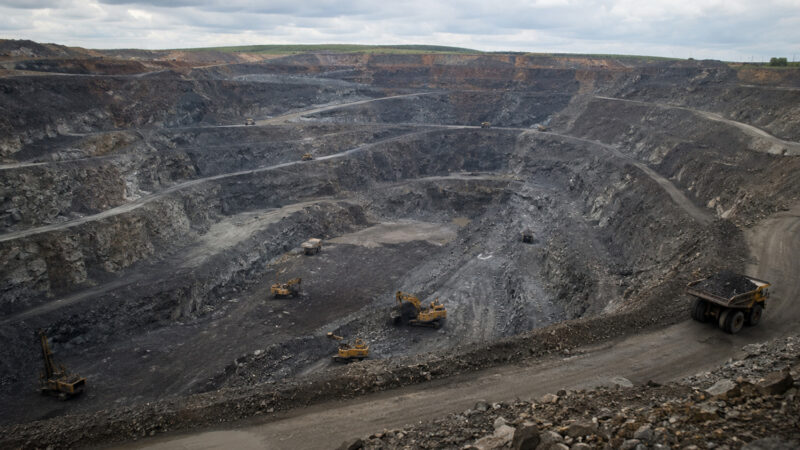
Economists note that China dominates the global supply of rare earth elements-accounting for roughly 70% of global output-making its export policies a strategic lever in trade disputes.
Global Repercussions
The renewed confrontation has drawn concern from international financial institutions. The International Monetary Fund (IMF) warned that escalating trade tensions could shave up to 0.4% off global GDP growth in 2025 if both sides maintain hardline policies. Meanwhile, central banks in Europe and Asia are closely monitoring currency fluctuations and capital flow disruptions tied to the standoff.
Energy and technology sectors are expected to be among the hardest hit, given their heavy reliance on rare earth materials and Chinese manufacturing components.
What Comes Next
With the IMF and World Bank Annual Meetings underway, global leaders are urging both Washington and Beijing to seek diplomatic solutions. However, analysts say political motivations-particularly in the lead-up to U.S. elections-may prolong the confrontation.
The coming weeks will determine whether this new phase of tariffs leads to negotiations or a deeper global trade fragmentation, potentially reshaping supply chains and international economic relations for years to come.