Military conflicts are often analyzed through political and strategic lenses, but they also carry substantial economic consequences. War affects government budgets, commodity markets, investor sentiment, and global trade flows. The early financial estimates associated with the ongoing conflict involving Iran provide a useful starting point for understanding how modern military operations translate into fiscal costs.
According to reporting by Reuters, officials from the administration of Donald Trump told senators during a closed-door briefing that the first week of military operations cost the United States at least $11.3 billion. The estimate was presented as an initial operational cost rather than a comprehensive financial assessment of the conflict.
Even as a preliminary figure, the number illustrates the financial intensity of modern warfare. When measured against historical military expenditures, it provides insight into how technological warfare and global logistics have reshaped the cost structure of armed conflict.
Breaking Down the First Week’s Costs
A weekly expenditure of $11.3 billion implies an average daily operational cost of roughly $1.6 billion.
Although the government has not released a detailed cost breakdown, typical spending in the early phase of a conflict includes several major components:
Air operations and precision strikes.
Modern missile systems and precision-guided munitions are among the most expensive elements of warfare. A single long-range cruise missile can cost between $1 million and $2 million, depending on the system. Large-scale strike operations can therefore consume hundreds of millions of dollars in munitions within days.
Naval deployments.
Aircraft carrier strike groups are among the most expensive military assets to operate. Maintaining a carrier group at sea can cost several million dollars per day, including fuel, logistics, and personnel support.
Air force missions.
Operating advanced fighter aircraft such as stealth jets can cost tens of thousands of dollars per flight hour, depending on the aircraft type and maintenance requirements.
Logistics and troop mobilization.
Large-scale military operations require the rapid movement of personnel, equipment, and supplies across global bases, creating additional transportation and infrastructure costs.
Together, these elements help explain how early operational expenditures can exceed $10 billion within a single week even before large ground deployments occur.
Context Within the U.S. Defense Budget
The United States already operates the world’s largest military budget. The annual defense budget approved by Congress has exceeded $800 billion in recent fiscal years, representing roughly 3–3.5% of U.S. GDP.
When viewed in this context, $11.3 billion represents roughly 1–1.5% of annual defense spending.
While this share appears relatively small in budgetary terms, the figure becomes more significant if the conflict continues for an extended period. If operational costs remained near the same pace, a month of sustained operations could exceed $40–50 billion, while a full year could theoretically approach several hundred billion dollars.
Historical experience shows that prolonged conflicts often become significantly more expensive than initial projections.
Historical Comparisons
To better understand the financial scale of the current conflict, it is useful to compare it with previous U.S. military engagements.
The wars in Iraq and Afghanistan ultimately cost the United States more than $2 trillion in direct spending, according to estimates compiled by academic research programs analyzing long-term war costs.
However, those conflicts involved long-term troop deployments, reconstruction programs, and veteran care costs that accumulated over two decades.
Modern military strategy has increasingly shifted toward technology-intensive operations rather than large ground occupations. This means early phases of conflict may involve extremely high operational expenditures concentrated in advanced weapons systems and air operations.
Market Reactions and Energy Costs
Beyond direct military spending, geopolitical conflicts involving Iran also affect global energy markets.
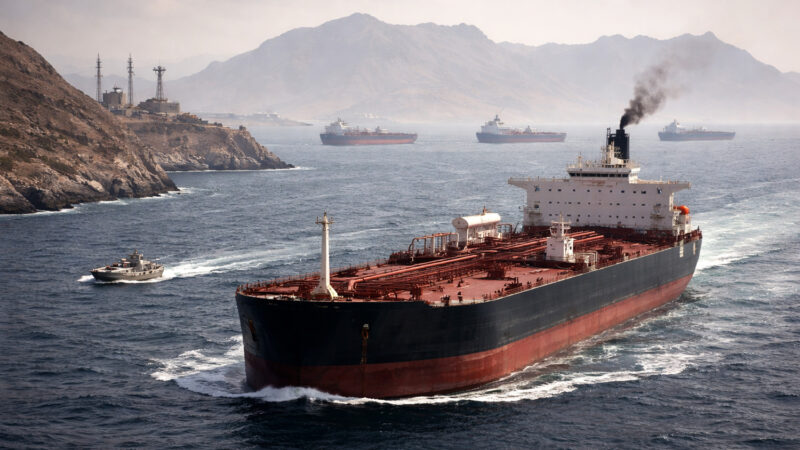
Iran’s geographic location near the Strait of Hormuz, a shipping route through which roughly 20% of global oil supply passes, gives the conflict immediate implications for oil prices and energy markets.
Following the escalation of hostilities, oil prices have risen above the $100 per barrel level in international markets, reflecting concerns about supply disruptions and shipping security.
Higher oil prices translate into broader economic effects:
- increased fuel costs for transportation and logistics
- higher production costs for energy-intensive industries
- upward pressure on global inflation
For the United States, these secondary economic effects may ultimately prove as important as the direct cost of military operations.
Implications for Fiscal Policy
Military conflicts place additional pressure on government budgets, particularly when they occur alongside existing fiscal challenges.
The United States currently carries a national debt exceeding $30 trillion, and additional defense expenditures typically require either increased borrowing or reallocation within the federal budget.
Short-term military operations are often financed through supplemental defense appropriations approved by Congress. However, if conflicts expand or persist, the cumulative fiscal impact can become significant.
For financial markets, the interaction between military spending, government borrowing, and energy price volatility can influence interest rates, inflation expectations, and investor risk sentiment.
Strategic Economic Implications
From a broader economic perspective, the Iran conflict highlights the persistent link between geopolitics and global markets.
Energy security remains one of the most important economic considerations for governments and corporations alike. Even temporary disruptions in major oil-producing regions can affect supply chains, financial markets, and corporate investment decisions worldwide.
At the same time, rising military expenditures in response to geopolitical tensions are contributing to a broader global trend: increasing defense spending across many major economies.
This shift reflects growing concerns about geopolitical instability, supply chain resilience, and strategic competition among major powers.
The Larger Economic Lesson
The early estimate that the first week of the Iran conflict cost the United States at least $11.3 billion provides only a partial picture of the economic implications of war.
Direct military spending is only the first layer of financial impact. Energy price volatility, fiscal pressures, and shifts in global investment patterns often produce longer-lasting economic consequences.
For policymakers and financial markets alike, the key challenge is understanding that the economic cost of conflict extends far beyond the battlefield. In an interconnected global economy, geopolitical events can rapidly translate into fiscal burdens, market volatility, and structural changes in global economic priorities.