Strategic Context
Iran’s political system places the Supreme Leader at its core, wielding ultimate authority over the military, judiciary, policy direction, and foreign affairs. Since 1989, the position was held by Ali Khamenei, a dominant figure in shaping Tehran’s strategic posture and its network of regional alliances. His tenure influenced not only internal governance but also Iran’s relationships with neighboring states, global powers, and non-state actors.
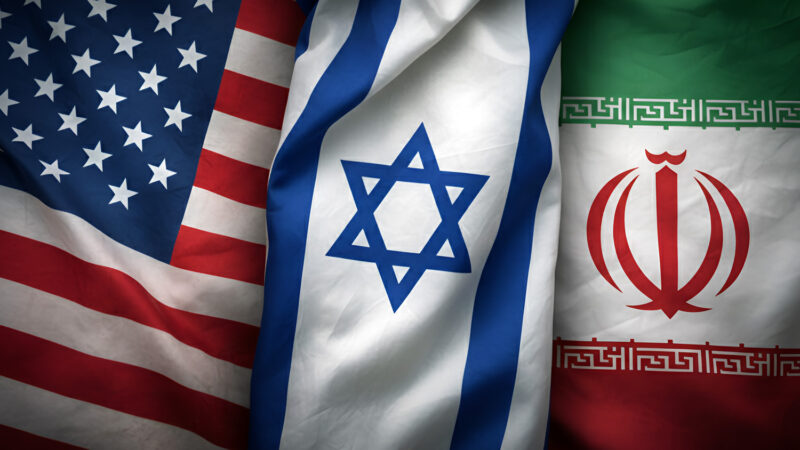
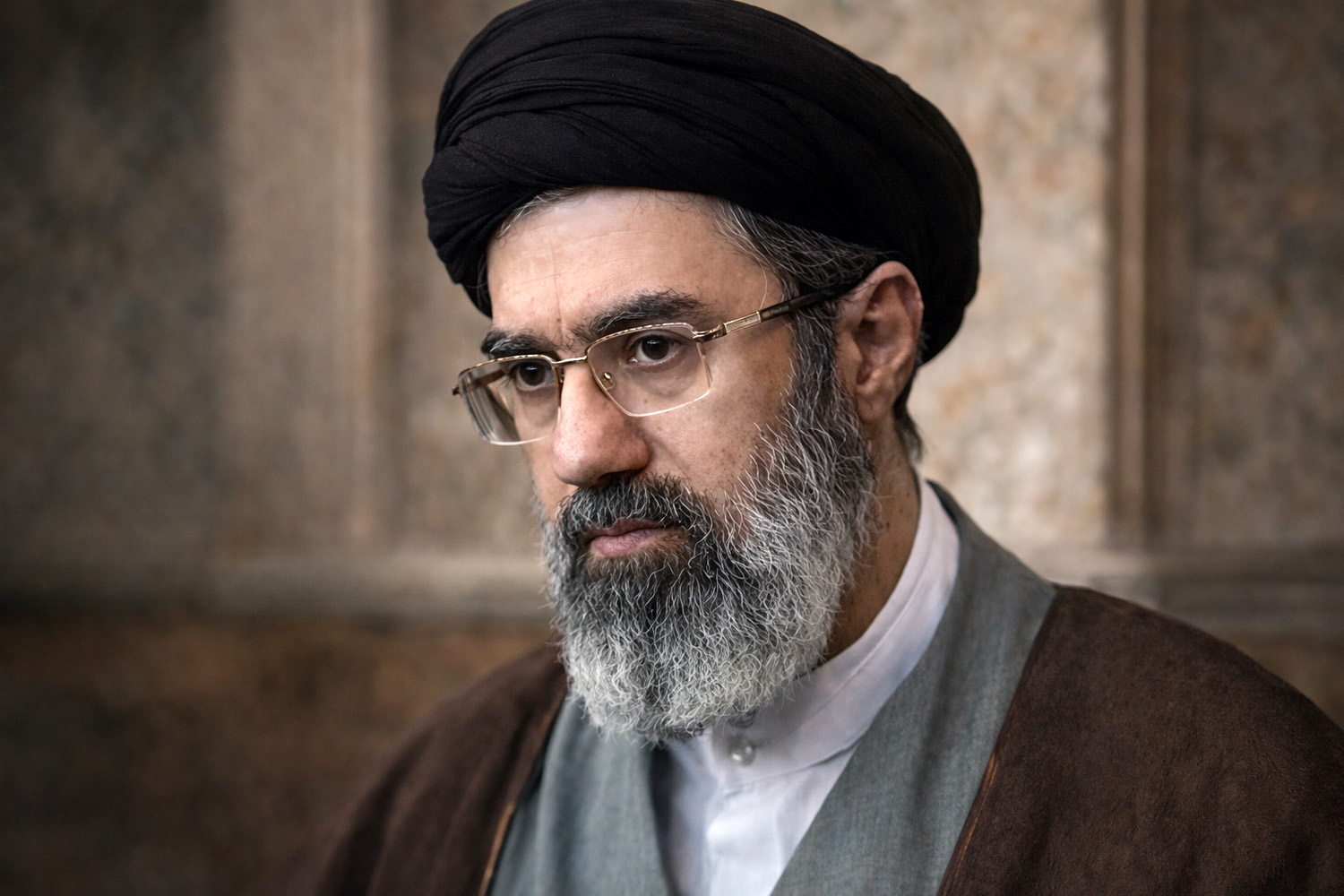
Following reports that Ali Khamenei was killed in a joint U.S.–Israeli military strike, the constitutional process for leadership succession was activated. Under Iran’s constitution, the 88-member Assembly of Experts is tasked with selecting a new Supreme Leader. In recent reporting, Mojtaba Khamenei – the second son of the late leader – has been identified by multiple sources as having been elected to the post.
What Happened
According to credible reporting, Iran’s Assembly of Experts has elected Mojtaba Khamenei as the new Supreme Leader following the death of Ali Khamenei. The decision reportedly occurred under the influence of powerful security institutions, including the Islamic Revolutionary Guard Corps (IRGC), which has historically been central to Iran’s power structure.
Mojtaba, born in 1969 in Mashhad, is a mid-ranking cleric who has been active within Iran’s political establishment and is widely considered influential behind the scenes. His rise to the country’s top position marks a rare instance of familial succession within a system that traditionally emphasizes clerical qualifications and institutional consent.
Why It Matters
Continuity Amid Uncertainty
The selection of Mojtaba Khamenei carries both symbolic and strategic weight. Although he has been a prominent figure within the clerical establishment and closely tied to the IRGC, Western analysts have long debated whether a hereditary transition aligns with the principles of the 1979 Islamic Revolution, which rejected monarchical succession in favor of religious jurisprudence.
By elevating Mojtaba, Iran’s leadership may be seeking a rapid transition that preserves internal cohesion and continuity of policy during a period of external pressure and conflict. The choice reflects an effort to balance internal legitimacy, religious credentials, and influence among security institutions.
Regional Security Dynamics
Iran’s leadership plays a central role in shaping the country’s relationships with proxy actors and state partners, including in Iraq, Syria, Lebanon, and Yemen. A Supreme Leader with established security ties – particularly to the IRGC – suggests continuity in Tehran’s regional posture, including deterrence strategies and support networks.
Under Mojtaba’s leadership, Tehran is likely to maintain its hardline stance toward foreign intervention and regional rivals, reinforcing existing strategic alignments rather than pursuing rapid diplomatic shifts.
Institutional and Ideological Signals
The transition underscores how Iran’s political elite navigates the balance between clerical legitimacy and practical power structures. Mojtaba’s elevation, even if debated within religious circles, signals the degree of influence held by institutional networks such as the IRGC and the clerical establishment.
Competitive Landscape
Iran’s new leadership takes shape amid competition among global powers for influence in the Middle East. The United States, European states, Russia, and China each engage with Tehran via different strategic frameworks – from security cooperation to energy partnerships. Tehran’s alignment under Mojtaba will factor into these complex interactions, defined by mutual interests and competition for influence.
Regionally, states such as Saudi Arabia, the United Arab Emirates, and Turkey will recalibrate diplomatic and security postures based on Tehran’s strategic signals. A leadership perceived as steadfast in ideological continuity may reinforce existing rivalries while complicating cooperative avenues.
Risks & Uncertainties
Institutional Legitimacy and Factional Tension
The process and outcome of the leadership transition – particularly if perceived as influenced by military institutions – could create internal debates about legitimacy and governance direction. External analysts caution that departing too far from established religious criteria might generate internal friction.
Foreign Policy Calculus
A new Supreme Leader’s approach to diplomacy, particularly with Western powers, remains uncertain. While continuity suggests resistance to external pressure, the specific contours of engagement – including nuclear negotiations and regional de-escalation – will be closely watched.
Market Uncertainty
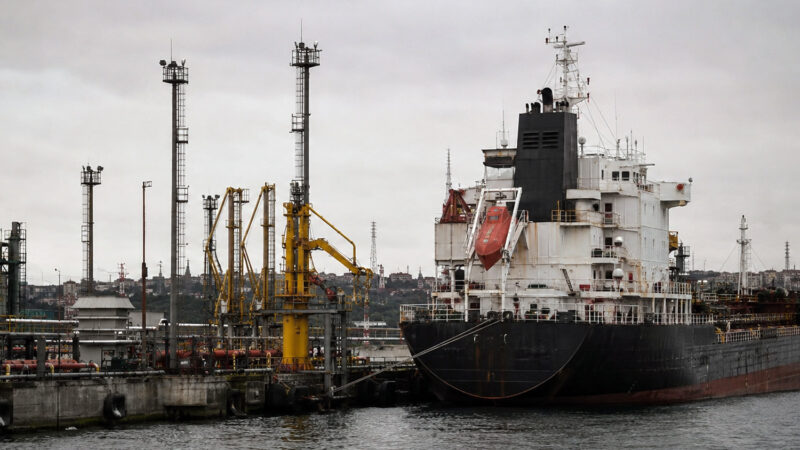
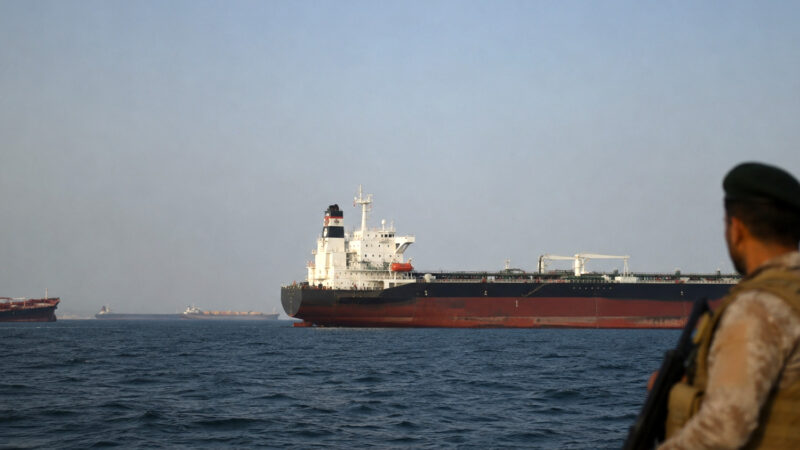
Global investors and energy market participants will monitor the new leadership’s impact on sanctions, oil flows, and transportation security. Geopolitical risk pricing may remain elevated until clarity emerges regarding Iran’s strategic direction.
Bigger Trend Implications
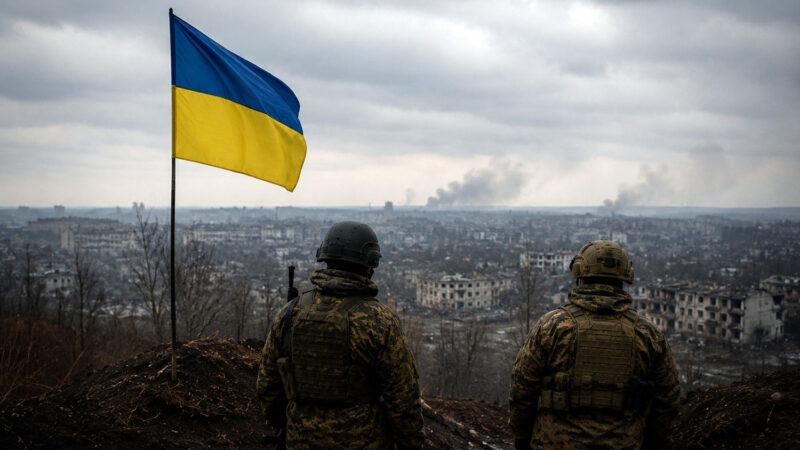
Mojtaba Khamenei’s elevation highlights broader global trends in governance during crises. Leadership transitions in strategic states often occur under external pressure and internal power considerations. How Iran balances institutional legitimacy, security priorities, and diplomatic flexibility will influence broader Middle Eastern stability.
Regionally, this shift underscores the resilience of entrenched power structures amidst conflict, reinforcing the notion that leadership change does not necessarily produce rapid policy realignment. Global markets, diplomatic networks, and strategic partnerships will adapt slowly as Tehran’s new leadership articulates its priorities.
Conclusion
The reported selection of Mojtaba Khamenei as Iran’s Supreme Leader represents a milestone in the Islamic Republic’s political evolution. Beyond the immediate transition, it reflects deeper structural dynamics involving institutional power, regional security, and global geopolitical alignments. As the world watches how Tehran’s new leadership consolidates authority, the implications for regional stability, energy markets, and international diplomacy are profound and far-reaching.