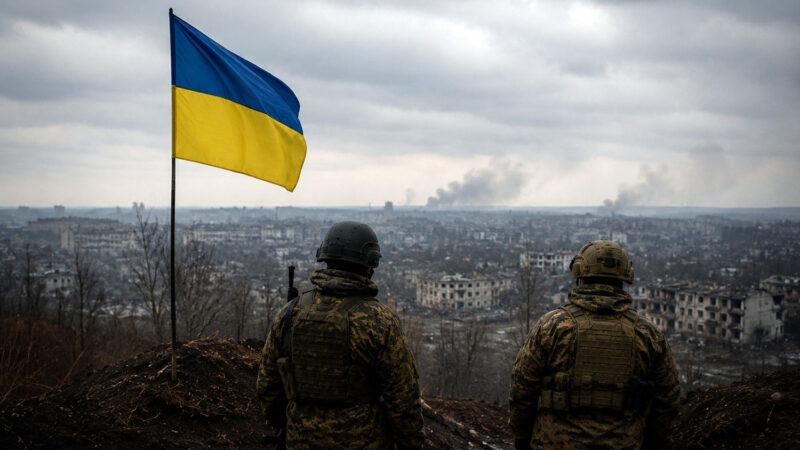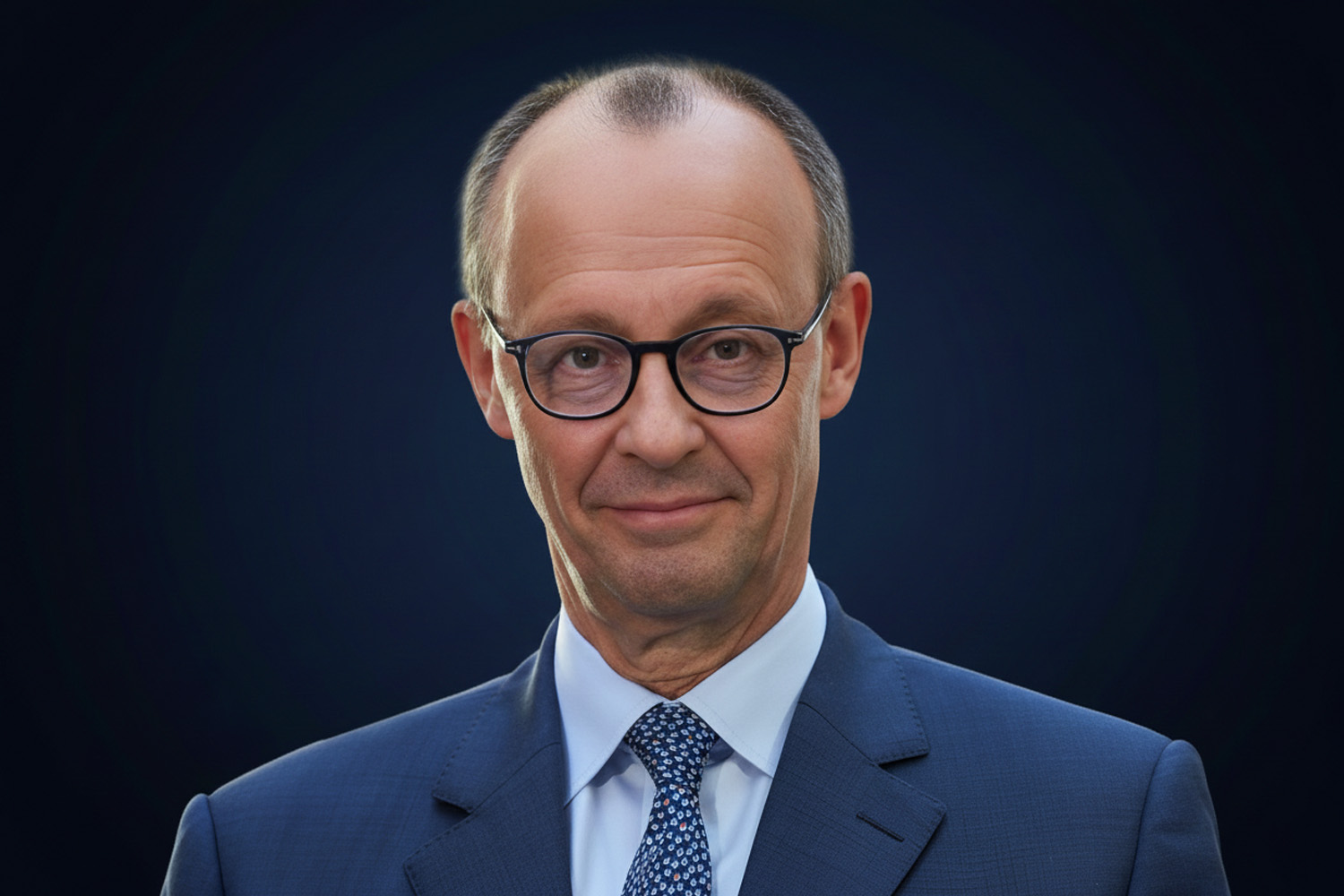
German Chancellor Friedrich Merz has put forward a bold proposal to harness frozen Russian assets in Europe in order to provide a significant military loan to Ukraine. The aim is to strengthen Ukraine’s defense capabilities over several years while also sending a signal of resolve to Moscow.
What Merz Is Proposing
- Merz proposes that the EU use roughly €140 billion of frozen Russian assets to issue an interest-free loan to Ukraine. The funds would be used exclusively for the purchase of military equipment.
- The loan, Merz contends, would not be repaid until Russia compensates Ukraine for the damages caused by the war.
- The proposal is structured to avoid intervening in property rights of the Russian assets, focusing instead on using returns or interest, or using assets in a way that replaces them with EU-backed guarantees.
- Guarantees by EU member states are part of the plan, with collateral expected to shift into the long-term EU budget framework by 2028.
Why It Marks a Shift & the Legal/Political Context
Previously, Germany and many other EU countries were cautious about using frozen Russian state assets beyond their interest income, citing legal risks and concerns about violating international norms.
Merz’s new proposal represents a notable change: moving from skepticism toward actively deploying those funds in support of Ukraine’s war effort.
Frozen assets largely consist of bonds and securities held through depositories such as Euroclear in Belgium.
Likely Scenarios & What Happens Next
- EU debate and summit decision: The proposal is expected to come to the table at upcoming EU informal or formal summits. Gaining majority support will be crucial.
- Mechanisms of deployment: Possible options include issuing EU bonds backed by the frozen assets, or using maturing Russian bonds at Euroclear to channel funds to Ukraine while replacing them with EU-backed guarantees.
- Conditionality & oversight: If the loan is granted, Ukraine might have to agree to procurement oversight, earmarking funds strictly for military spending, and transparency requirements.
Broader Implications
The proposal reflects growing European willingness to shift from defensive postures to more assertive financial and military support of Ukraine.
It signals a move to make Russia pay (financially) for its aggression, not just through sanctions but by leveraging its frozen resources.
How EU institutions and member states resolve legal, financial, and ethical questions around this could set precedents for future conflicts or sanction regimes.
Data and Context
- Estimates vary, but frozen Russian state assets in Europe are often cited at around €190–200 billion, a substantial pool that could be leveraged.
- Germany’s estimated war-damage figure (for Ukraine) is about €500 billion, which is cited by Merz in public documents.
What This Means
- If approved, this plan could mean a sustained boost in military supplies to Ukraine in the near term, possibly shifting the dynamics on the battlefield.
- For EU taxpayers or citizens, the plan aims to avoid added burdens by using existing frozen assets rather than raising additional revenue or introducing new taxes.
- For Russia, it increases economic and political costs, and for EU legal systems, it forces clarification of legal precedents around frozen state assets.