Strategic Context
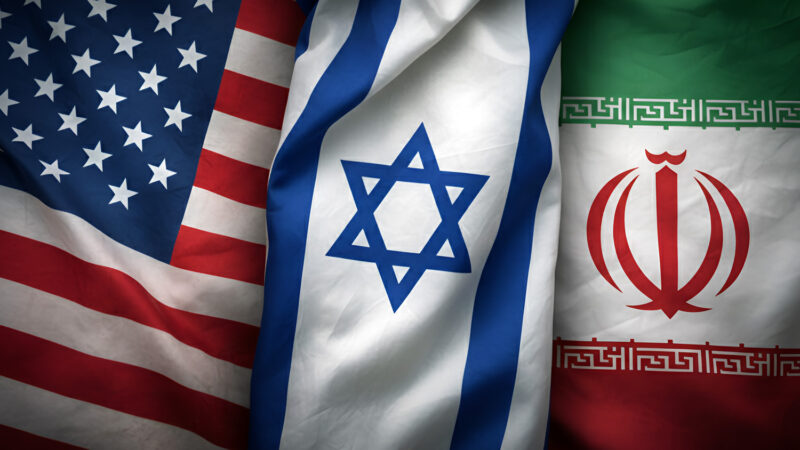
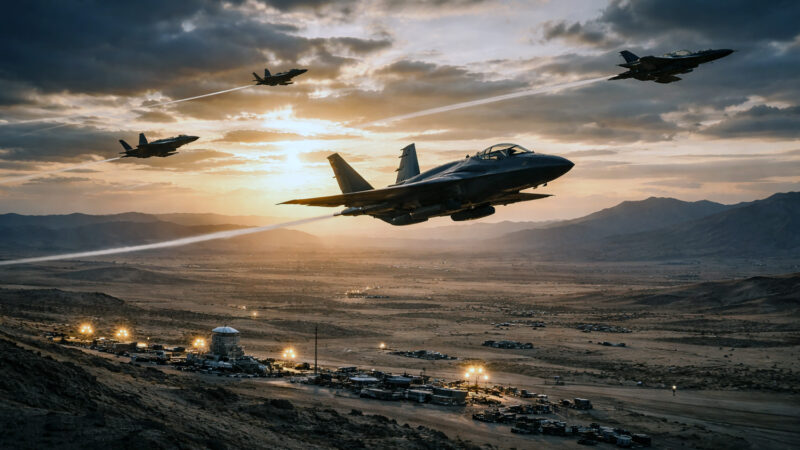
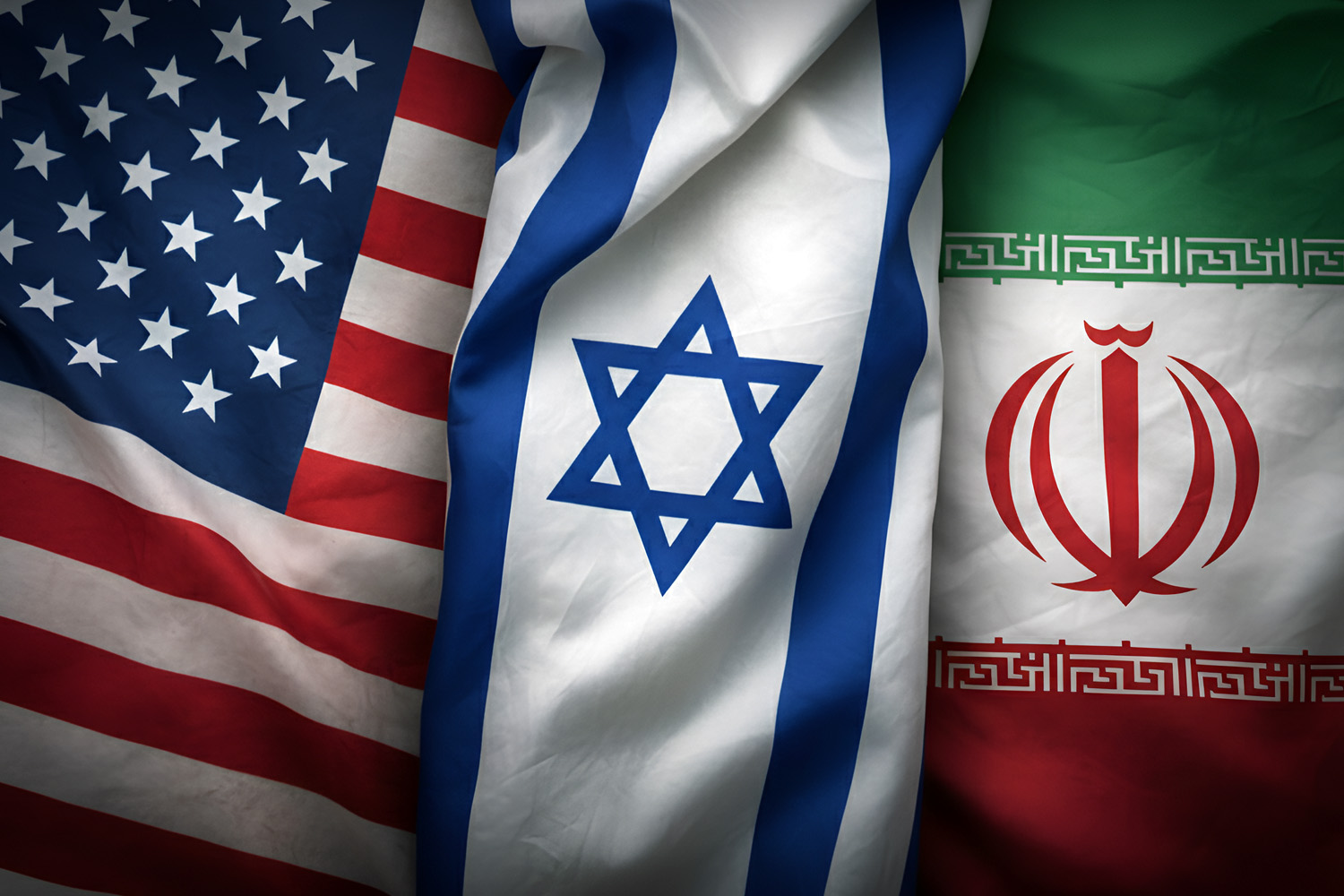
In late February and early March 2026, multiple international media outlets reported that Ali Khamenei, Iran’s Supreme Leader since 1989, was killed during a series of joint military strikes by the United States and Israel. Within 24 hours, Iranian state media confirmed his death and a 40-day period of national mourning was declared by official broadcasters.
This development has reshaped the regional geopolitical landscape, introducing rapid constitutional and strategic shifts inside Iran and prompting global reactions from capitals in Washington, Jerusalem, Riyadh, and beyond. The leadership transition in Iran – one of the region’s most influential actors – carries implications for security, energy markets, and diplomatic alignments.
What Happened
Iranian state television and news agencies officially announced that Supreme Leader Ali Khamenei had been killed following U.S.–Israeli airstrikes that struck Tehran and other key sites. A temporary leadership council, composed of the President, the Head of the Judiciary, and a representative selected by the Guardian Council, is being put in place to manage state affairs until the next Supreme Leader is chosen by the Assembly of Experts – an 88-member clerical body empowered under Iran’s constitution.
The Assembly of Experts is expected to begin the process of selecting Khamenei’s successor immediately. This is only the second instance of such a transition since the Islamic Republic’s founding in 1979.
Why It Matters
Constitutional Continuity and Institutional Resilience
Iran’s political structure is designed to maintain continuity in times of leadership change. The Assembly of Experts, though cloaked in clerical authority, provides a constitutional mechanism to prevent power vacuums at the apex of political authority. The establishment of a temporary leadership council helps ensure that governance, military command, and diplomatic functions continue without interruption.
Regional Power Dynamics
Khamenei’s influence over the Islamic Revolutionary Guard Corps (IRGC), foreign policy, and proxy networks spanning Lebanon, Iraq, Syria, and Yemen made him a pivotal actor in the Middle East’s strategic equilibrium. His removal – verified by Iranian state broadcasters and widely reported internationally – alters that equilibrium. External actors may reassess deterrence calculations and the strategies of non-state groups aligned with Tehran.
Diplomatic and Security Patterns
The transition period may create openings for diplomatic engagement – or risks of miscalculation. While the constitutional process aims for order, foreign governments and regional actors are reassessing policy postures. Allies of Tehran could push for continuity, while adversaries may interpret the transition as a window for realignment or pressure.
Market / Financial / Sector Impact
Energy Markets
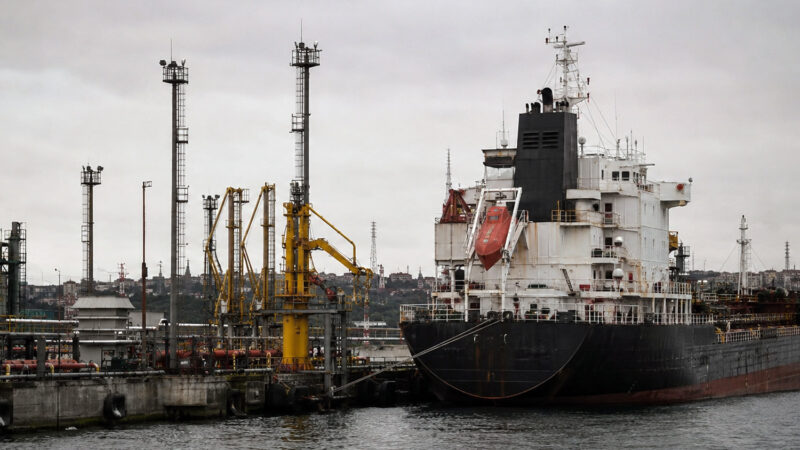
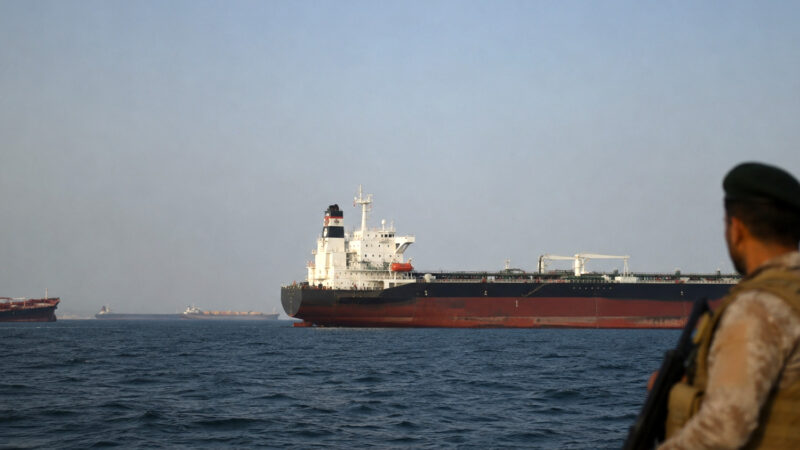
Iran is a major crude oil and natural gas holder, and geopolitical uncertainty directly influences global energy markets. Although sanctions have limited Iranian exports, the perception of instability in Tehran tends to push up risk premiums in oil pricing. Even without actual supply disruption, traders often price in potential threats to shipping lanes, production capacity and broader regional stability.
Foreign Investment and Sanctions Economics
The leadership change compounds existing economic stress in Iran – characterized by high inflation, currency depreciation, and sanctions-related constraints. Any disruption or recalibration in economic governance may affect the willingness of foreign investors and regional trade partners to engage with Tehran.
Defense and Security Sectors
Heightened tensions typically elevate demand for military equipment and affect defense spending decisions among regional governments. Any escalation could lead to increases in defense procurement budgets.
Competitive Landscape
Iran’s strategic position relative to regional powers like Saudi Arabia, Israel, and Turkey remains central to Middle East competition. A leadership transition in Tehran creates a new axis around which rivalries – from proxy conflicts in Yemen and Syria to influence in Lebanon and Iraq – may be renegotiated.
Globally, powers such as the United States, China, and Russia will observe Tehran’s internal calibrations closely. These external actors have competing interests in security, economic partnerships, and regional influence.
Risks & Uncertainties
Succession Process
While Iran’s constitution outlines clear succession procedures, the internal balance of power among clerical elites and security institutions introduces uncertainty. The Assembly of Experts is not insulated from factional influence, especially in a moment of heightened external pressure and domestic economic stress.
Retaliation and Escalation
Iran’s immediate responses to strikes and the loss of its top leader could take many forms – including asymmetric attacks through proxy actors, missile or drone strikes, or unconventional warfare tactics. Misreading these responses risks miscalculation by other regional or global powers.
Internal Stability
Iran has faced large-scale protests and economic hardship in recent years. A leadership transition could either unify state institutions or exacerbate internal divides, affecting governance stability.
Bigger Trend Implications
Regional Realignments
A shift at the top of Iran’s power structure could accelerate ongoing regional reshuffles. Gulf Cooperation Council (GCC) states, Israel, and external powers may revisit alliances, security arrangements, and economic cooperation frameworks in response to Tehran’s new leadership dynamics.
Energy Supply Security
In a world still sensitive to geopolitical shocks, significant events in energy-producing regions continue to affect global markets. Investors and policymakers will weigh risks around supply routes, sanctions implementation, and alternative sources of energy security.
Global Diplomacy and Negotiations
Iran’s leadership transition intersect with ongoing diplomatic discussions about nuclear programs and sanctions relief. A new Supreme Leader may adapt different strategies, but the constitutional process is expected to prioritize regime continuity.
Conclusion
The confirmation of Ayatollah Ali Khamenei’s death by Iranian state media and the constitutional mechanisms now underway mark one of the most consequential geopolitical shifts in the Middle East in decades. Far from a mere internal procedural matter, this leadership transition carries broad implications for regional security, global energy markets, and international diplomatic patterns.
As Iran navigates this transition through established constitutional frameworks, the world will be watching not only who succeeds but also how this change reshapes the balance of power in a region long marked by strategic complexity and competition.