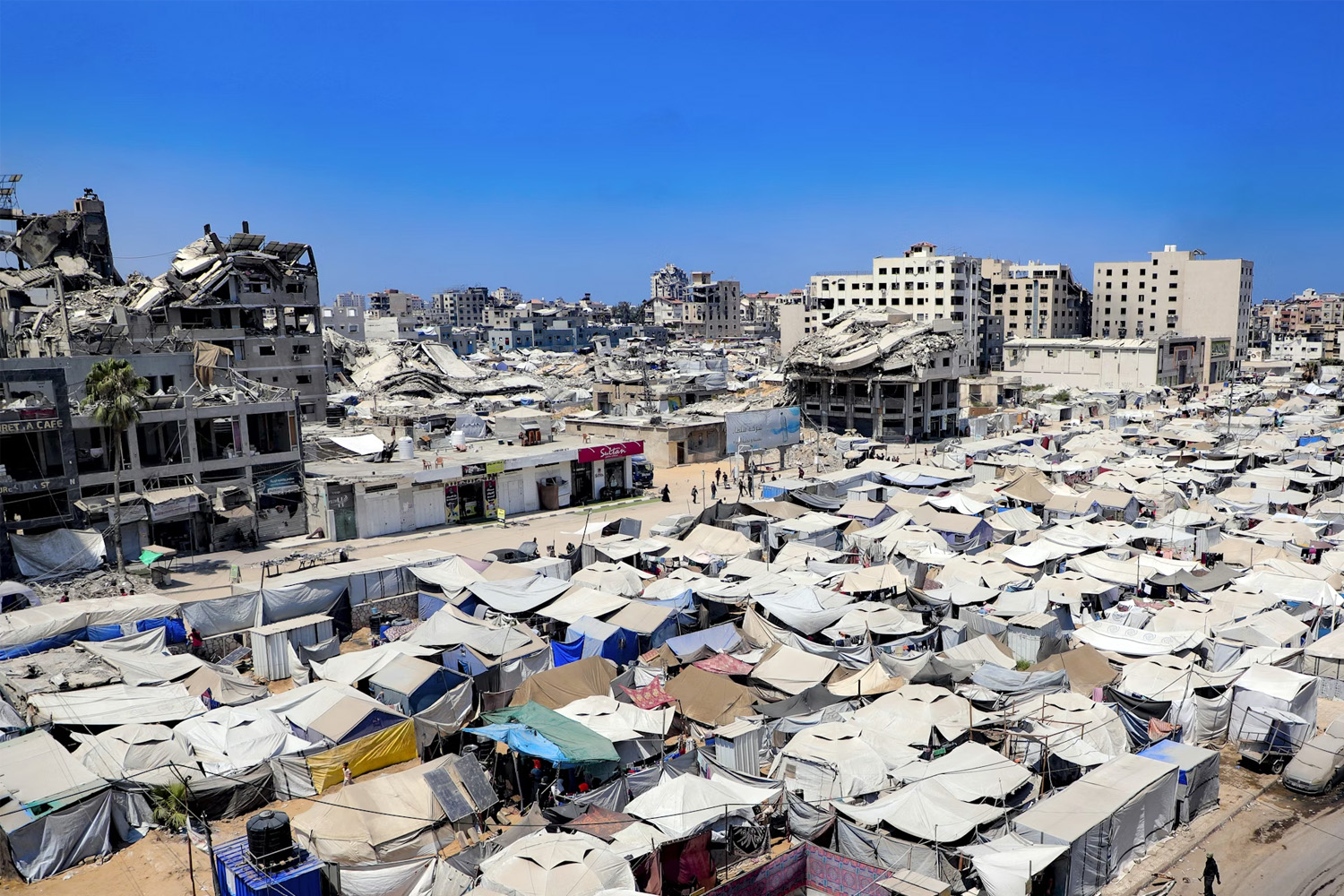
Fighting between Israel and Hamas has re-escalated into heavy offensive operations in northern Gaza, widespread civilian suffering and mass displacement, and growing regional tensions that risk widening the conflict. Diplomatic efforts – from Qatar-led mediation to U.S. proposals – continue, but a durable ceasefire remains elusive. The humanitarian situation in Gaza is acute, with services collapsing and aid access constrained.
What has happened (current facts & timeline)
- Ground and air operations: Israeli forces have intensified operations in Gaza City and closed key internal routes, effectively tightening pressure on northern Gaza and prompting large population movements southwards. Reports describe repeated strikes in populated neighbourhoods and attacks on infrastructure.
- Recent strikes on leaders and diplomatic fallout: Israeli strikes on Hamas leadership meeting places – including operations reported in Doha and elsewhere – have complicated ceasefire talks and angered regional mediators. Hamas and some Arab states say such strikes undermine diplomacy.
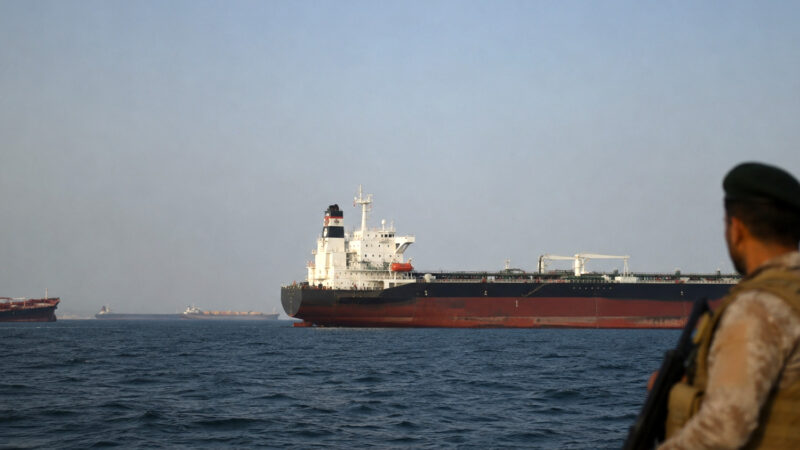
- Maritime and regional incidents: An international flotilla attempting to reach Gaza reported confrontations with unidentified/unlit vessels near the blockade; separately, Houthis and other regional actors have conducted or claimed attacks on shipping in other waterways, raising risks of broader escalation.
Humanitarian situation – scale and trends
- Deaths, injuries and displacement: UN and humanitarian agencies document very high civilian tolls and mass displacement across Gaza. UNRWA and OCHA situation reports show continuing attacks on civilian infrastructure, damage to housing and public services, and very large internally displaced populations. (See UNRWA situation reports and OCHA casualty pages for rolling totals and breakdowns.)
- Hospitals, water, food and fuel: Medical facilities are overwhelmed; many hospitals are damaged or operating minimally. Fuel shortages, broken water networks, and interrupted supply lines have produced acute shortages of electricity, clean water and medical oxygen – raising the risk of famine, disease and rising mortality among vulnerable groups. UN agencies repeatedly warn that humanitarian access is insufficient to meet needs.
- Legal and rights concerns: Independent bodies and human-rights experts continue to investigate alleged violations of international humanitarian law. Some commissions and analysts have described the pattern of operations and the scale of civilian harm in terms that raise grave legal and moral questions. These findings have intensified international calls for accountability and protection of civilians.
Military and strategic dynamics – what both sides seek
- Israel’s aims: Israel continues to say its operations target Hamas military capabilities, leadership and infrastructure; recent offensives aim to eliminate safe havens in Gaza City and to degrade the group’s ability to strike Israeli territory. Israeli officials have signalled they will continue kinetic pressure until perceived security goals are met.
- Hamas’s position: Hamas remains embedded in urban areas and uses asymmetric tactics; it resists disarmament and has demanded political concessions and guarantees for civilians in any deal. Its survival as an armed force inside Gaza remains a bargaining lever.
- Regional actors and spoilers: Iran-aligned groups (including Houthis), Arab mediators (Qatar, Egypt) and global powers (U.S., EU, Russia) each play differing roles – from covert support, diplomatic shuttle diplomacy, to direct pressure on Israel or Hamas. Attacks on commercial shipping and flotilla confrontations show that actors beyond Gaza and Israel are active and can influence the conflict’s trajectory.
Diplomatic picture – ceasefire efforts and international response
- Mediation channels: Qatar, Egypt and other regional mediators continue shuttle diplomacy; the U.S. has also floated ceasefire frameworks and proposals. These efforts have produced intermittent pauses in the past but have so far failed to deliver a lasting ceasefire or a comprehensive political settlement.
- International diplomacy: The UN General Assembly and other fora have become focal points for state-level action on Palestinian statehood and humanitarian demands, while concerns about international law violations have increased calls for investigations and restrictions on military assistance by some governments. International unity is limited: some states press for immediate pause and protections for civilians; others emphasise Israel’s security claims.
Analytics – risks, indicators to watch, and likely scenarios
Key indicators to monitor
- Humanitarian access metrics: deliveries of fuel, food, medical supplies and the ability of UN/NGO convoys to reach Gaza populations. A fall below minimal daily delivery thresholds usually signals imminent public-health collapse.
- Civilian casualty and displacement trends: daily civilian death tolls and new internally displaced person (IDP) counts – sustained high numbers increase international pressure and raise the likelihood of legal/UN actions.
- Hostage and detainee developments: progress or breakdown in negotiations over hostages dramatically influences political space for ceasefires.
- Regional incidents: Houthi attacks on shipping, flotilla confrontations, or strikes into neighbouring countries – any of these can broaden the conflict and change strategic calculus.
Plausible scenarios (near term)
Short ceasefire / limited pause: High diplomatic engagement could produce a temporary pause to allow aid deliveries and limited prisoner exchanges, but without a political settlement this is likely temporary.
Prolonged Israeli campaign: Continued offensives could further degrade Hamas but inflict heavy civilian harm, deepen displacement, and increase international isolation and legal scrutiny of Israel.
Regional escalation: Continued maritime/third-party attacks or retaliation could draw in other states or non-state actors, threatening commerce and stability across the Red Sea, Gulf of Aden and eastern Mediterranean.
What this means for people on the ground and internationally
- For Gazans: Immediate survival needs (food, water, shelter, healthcare) are paramount. Long-term recovery will require massive reconstruction and governance solutions for Gaza – a political question unresolved by military means alone.
- For Israelis: Security concerns and the political imperatives of eliminating cross-border threats remain central. Domestic politics and coalition pressures shape how far operations go and what concessions leaders are willing to make.
- For regional stability: The conflict has become a strategic fault line in the Middle East; spillover risks to shipping, neighbouring states and proxy networks remain high. Global energy and trade routes could be disrupted if escalation broadens.