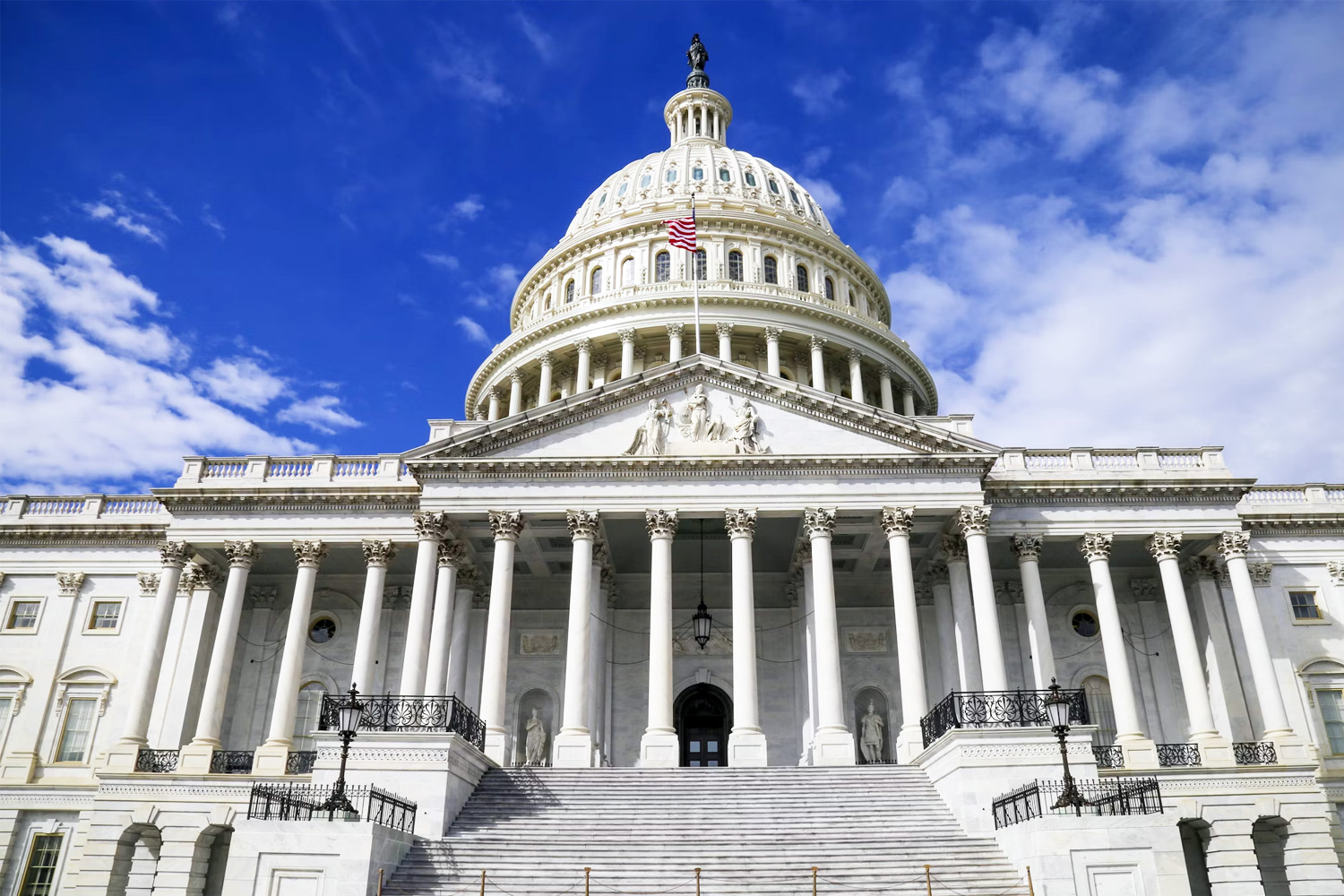
The United States federal government officially entered shutdown mode as of October 1, 2025, after the Senate failed to approve emergency funding to keep operations running. The crisis marks another dramatic standoff in Washington politics, with real implications for government services, federal employees, and the broader economy.
Why It Happened
- At midnight, existing funding lapsed because neither the Republican-led nor Democratic-backed proposals could gain enough Senate support. The GOP’s stopgap measure failed by a 55–45 vote – short of the 60 votes needed to overcome a filibuster.
- Democrats opposed the GOP version, insisting on inclusion of health care subsidies (especially Affordable Care Act credits) and reversals of recent Medicaid cuts. Republicans countered that those demands should be handled separately.
- After the vote failed, the White House directed federal agencies to begin shutdown preparations under an “orderly lapse” framework.
This marks the first government funding lapse since 2019.
What Shuts Down – and What Doesn’t
Services and Agencies Likely Disrupted
- Non-essential federal services may be suspended. That includes many permit offices, national parks, and public programs subject to annual appropriations.
- Contractors and hourly workers dependent on federal funding may be furloughed.
- Regulatory actions, approvals, permit processing and enforcement in environmental, transportation, or business sectors may slow or pause.
- New loan approvals for small businesses, export financing, or grants may be stalled.
Services That Continue
- Programs with independent funding or mandatory spending (e.g. Social Security, Medicare, Medicaid) typically continue.
- Military and defense operations are considered essential; service members generally continue working under existing authorization, though pay could be delayed depending on legislation.
- Law enforcement, border security, air traffic control and other “essential” operations often remain functional, though their conditions (staffing, overtime, oversight) may be constrained.
Impact & Consequences
- Up to 750,000 federal workers may be furloughed or operate without pay until the shutdown ends.
- Disruptions in aviation safety checks, regulatory oversight, and federal contract execution are expected to ripple into the private sector.
- The political stakes are high: each side is accusing the other of brinkmanship. Republicans frame the impasse as opposition to “clean funding,” while Democrats argue risky cuts and exclusion of social programs should not be forced via a shutdown.
What Happens Next – Possible Scenarios
- Emergency legislation or continuing resolution (CR) passes
Congress could reconvene, negotiate, and pass a short-term CR to restore funding while negotiations over long-term budgets continue.
- Prolonged shutdown
If talks fail, the shutdown may extend. More agencies close, furloughs increase, and political pressure builds.
- Targeted cuts or restructuring
Some hope the shutdown could force policy concessions, e.g., cuts to programs or a rollback of unilaterally rescinded funds.
The administration has hinted at making permanent staff reductions or using “budget rescissions” as leverage.
Why This Shutdown Stands Out
Unlike past shutdowns, there is aggressive rhetoric about irreversible cuts and using the pause to force structural changes.
The debate over healthcare funding and Medicaid is more deeply tied into the dispute this time, making compromise harder.
The Senate’s failure (55–45) underscores that even with Republican control, bipartisan support remains essential in the upper chamber due to filibuster rules.