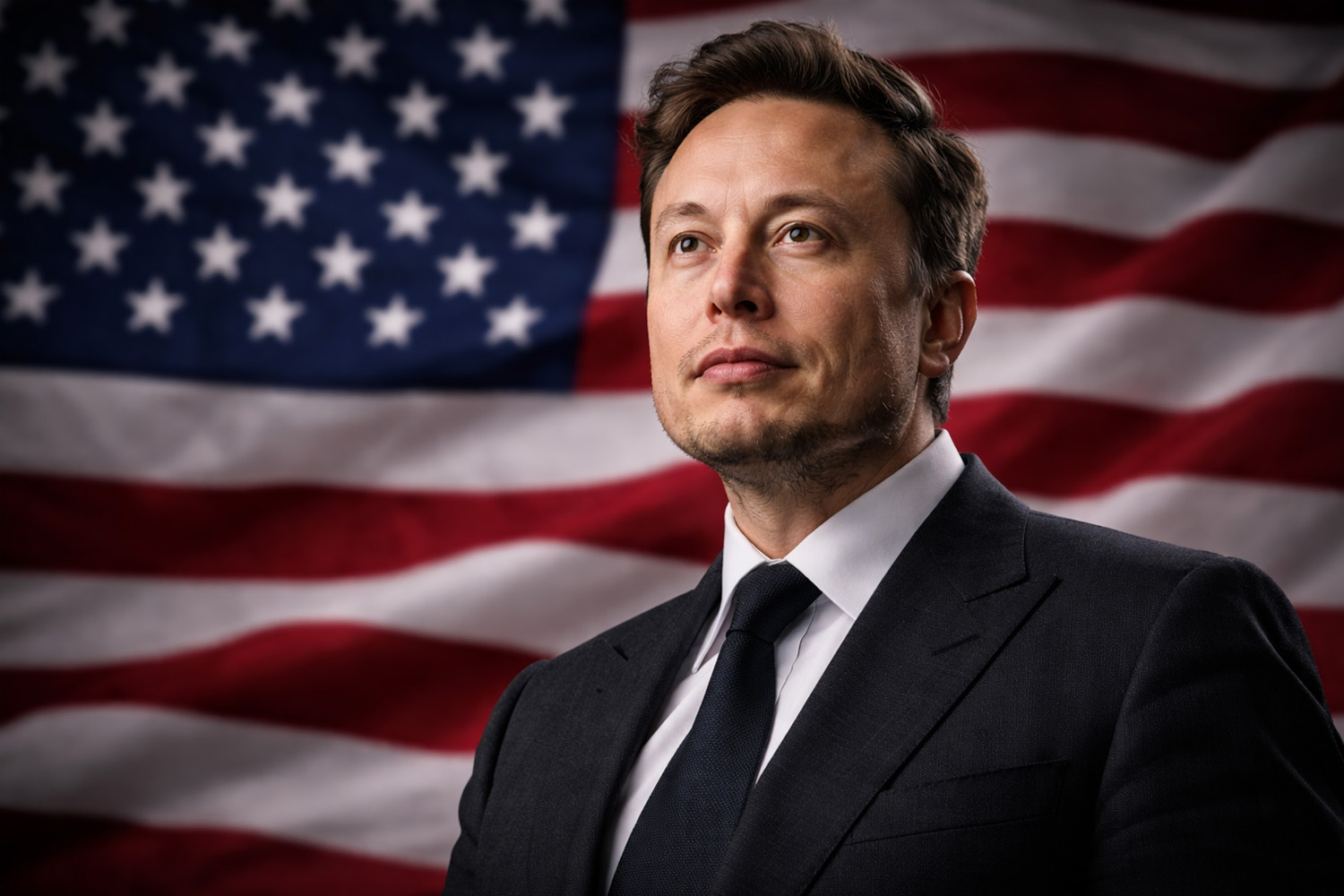
Elon Musk, the world’s richest entrepreneur and CEO of Tesla and SpaceX, has issued a stark warning about the economic future of the United States, arguing that the nation’s ballooning national debt-now around $38.5 trillion-poses an existential risk unless society harnesses the productivity gains from artificial intelligence and robotics. Musk’s comments were made in a recent February 2026 interview with podcaster Dwarkesh Patel and Stripe co-founder John Collison, where he reiterated his long-standing concerns about fiscal sustainability.
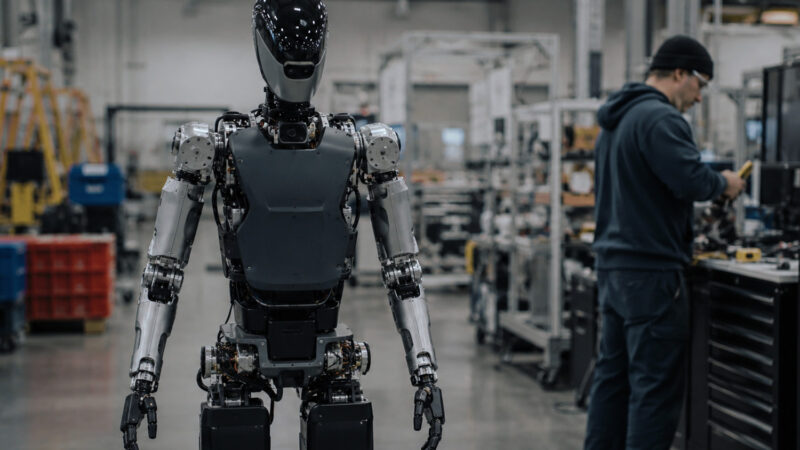
According to Musk, the current trajectory of U.S. government finances is “insane,” with interest payments on the national debt alone topping roughly $1 trillion annually, exceeding the entire U.S. military budget and outpacing major social spending categories like Medicare. He claims that traditional fiscal policy tools, such as incremental spending cuts or borrowing adjustments, will be insufficient to avert a crisis. Instead, he said, AI and robotics represent the only viable path to dramatically boost economic output and stave off what he described as a 1,000 % certainty of bankruptcy without technological intervention.
Musk’s warning highlights the notion that the U.S. must achieve rapid productivity growth at a scale rarely seen in modern economic history. Proponents of this view argue that technologies such as generative AI, autonomous robotics, and automation can fundamentally reshape industry, reduce production costs, and unlock new sources of GDP growth. Yet, mainstream economists caution that productivity gains from AI are likely to be gradual and incremental, with models like the Penn Wharton Budget Model projecting only modest impacts on long-term productivity growth.
Why It Matters
The U.S. national debt has become a central topic in economic policy discussions as lawmakers grapple with deficits approaching $2 trillion annually and projections that interest servicing costs could rise further over the coming decade. Budget watchdog groups warn that if interest payments continue to absorb a larger share of federal revenue, other government functions such as infrastructure, education, and healthcare could face funding strain.
Musk’s comments also intersect with broader debates over the role of technology in economic resilience. While some analysts see AI and robotics as catalysts for growth, others worry about employment disruption, inequality, and regulatory challenges associated with widespread automation.
Trend Impact
Musk’s prediction has reignited discussions among investors and policy makers about how best to address the structural challenges facing the U.S. economy. Even if the U.S. does not “go bankrupt” in a literal sense, persistent deficits and rising debt service obligations could constrain fiscal flexibility, amplify inflationary pressures, and challenge the country’s ability to respond to future recessions or global shocks.
As AI and robotics continue to advance, the debate over their role in economic recovery and long-term fiscal health will remain a defining theme in U.S. economic policy throughout 2026 and beyond.