WASHINGTON – U.S. President Donald Trump has announced a major strategic initiative to create a $12 billion reserve of rare earth and critical minerals, aiming to reduce America’s reliance on Chinese supply chains and protect U.S. industry from future supply disruptions. The announcement was made on February 2, 2026, under a plan dubbed “Project Vault.”
The reserve will be funded through a $10 billion loan from the U.S. Export-Import Bank combined with approximately $1.67 billion in private investment. It is designed to stockpile essential minerals – such as rare earth elements, gallium, cobalt and others – that are vital for electronics, electric vehicles, defense systems and renewable technologies.
Unlike previous approaches focused mainly on boosting domestic mining, the strategic reserve functions in a manner similar to the existing Strategic Petroleum Reserve: it can be tapped to supply manufacturers with critical materials if geopolitical tensions or trade negotiations disrupt imports. Trump’s administration says this “buffer” will ensure that American factories can continue operating without interruption even if China attempts to exert leverage through export controls.
Why It Matters
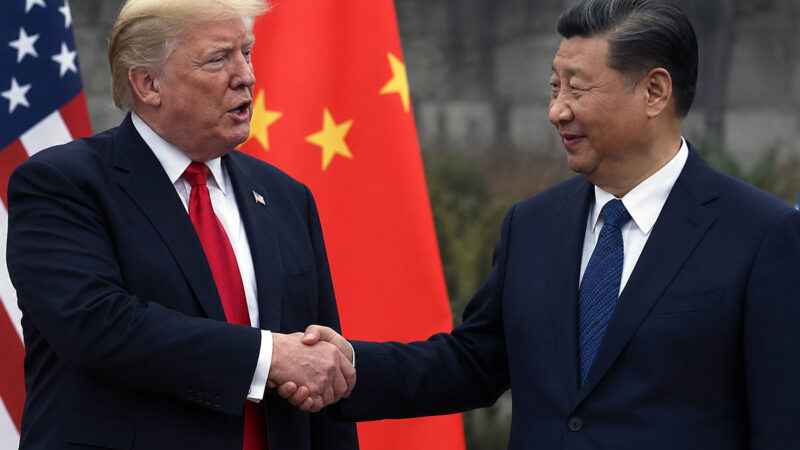
China currently holds a dominant position in the global rare earths market, accounting for roughly 70 % of mining and 90 % of processing capacity. This concentration has given Beijing significant influence over pricing and supply, and it has in the past used export restrictions as a negotiation tool during trade disputes. The new reserve is a direct response to these vulnerabilities.
For U.S. industries – from automotive and consumer electronics to aerospace and defense – rare earth elements are indispensable components. Disruptions in their supply can ripple across multiple sectors, threatening production timelines and national security. A strategic reserve could provide a 60-day emergency supply and help stabilize markets during periods of volatility.
Trend Impact
The launch of the strategic reserve reflects broader geopolitical and economic trends. Nations around the world are seeking to diversify critical mineral supply chains amid concerns about reliance on single suppliers. The United States, European Union, Japan and Australia are all investing in various strategies to strengthen alternative sources and processing capacity – including partnerships with allied producers and domestic investment in extraction and refining infrastructure.
Markets reacted quickly: stocks of U.S. rare earth and critical minerals producers climbed after the announcement, signaling investor optimism about prospects for reduced dependence on foreign supply and growth opportunities for domestic players.
In addition to the reserve itself, U.S. officials are pursuing international cooperation on critical mineral supply chains and legislation to expedite permitting for mining and processing projects, making this initiative a key element of long-term industrial and national security policy.