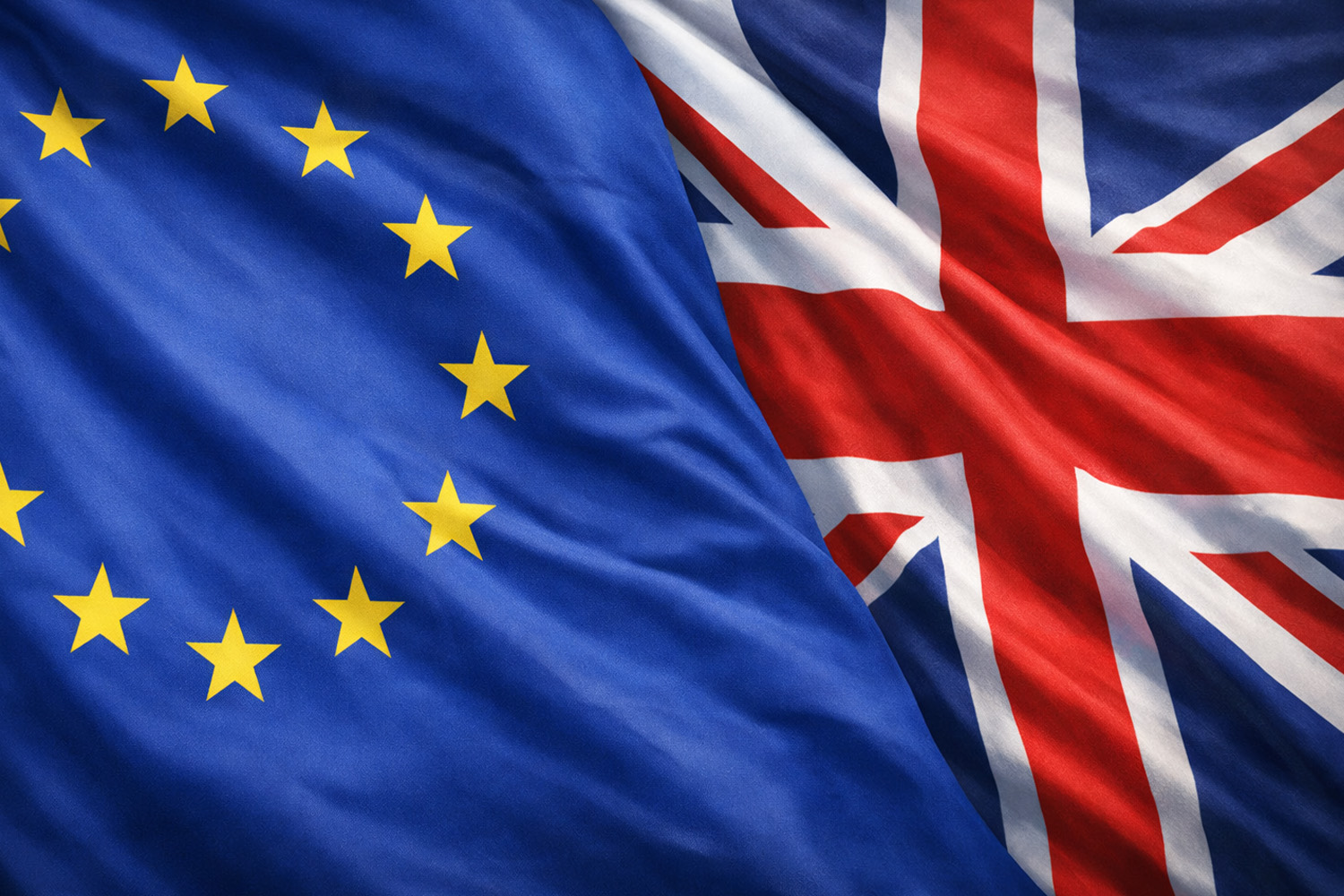
UK Prime Minister Keir Starmer has said he wants to resume negotiations on defense cooperation between the United Kingdom and the European Union, signaling a shift toward closer security ties with Brussels after years of post-Brexit distance. The statement reflects a broader reassessment of Europe’s collective defense needs amid ongoing geopolitical instability and growing pressure on NATO allies to strengthen coordination.
Starmer emphasized that while the UK is no longer an EU member, shared security interests remain deeply aligned, particularly in areas such as military mobility, defense procurement, intelligence sharing, and support for European security architecture. He framed renewed talks not as a reversal of Brexit, but as a pragmatic step to ensure the UK and EU can respond more effectively to common threats.
Why It Matters
Defense cooperation has been one of the most sensitive and underdeveloped areas of the EU-UK relationship since Brexit. While the UK remains a leading NATO member and a key military power in Europe, it currently sits outside EU defense initiatives such as joint capability development and structured security coordination. Reopening negotiations could help close gaps that have become more visible as Europe faces heightened risks from state and non-state actors.
For the EU, closer ties with the UK would bring access to one of Europe’s most capable armed forces, advanced intelligence capabilities, and a globally active defense industry. For London, renewed cooperation could offer influence over European security decisions that increasingly affect British interests, without formal EU membership.
What Cooperation Could Look Like
Although no formal framework has been announced, discussions could include UK participation in selected EU defense projects, improved coordination on sanctions enforcement, cyber defense collaboration, and streamlined logistics for rapid troop and equipment movement across Europe. Analysts note that any agreement would likely be modular and limited in scope, designed to avoid political resistance from Brexit hardliners while delivering tangible security benefits.
Trend Impact
Starmer’s remarks point to a broader recalibration of UK foreign and security policy, prioritizing stability, predictability, and closer alignment with European partners. This approach contrasts with the more confrontational tone that characterized earlier post-Brexit relations and may ease wider negotiations on diplomacy, crisis response, and defense industry cooperation.
If talks move forward, they could mark the most significant upgrade in EU-UK security relations since Brexit, setting a precedent for sector-by-sector collaboration. While obstacles remain – including legal structures and political sensitivities on both sides – the renewed focus on defense underscores a growing consensus: European security challenges increasingly demand collective solutions, regardless of institutional boundaries.