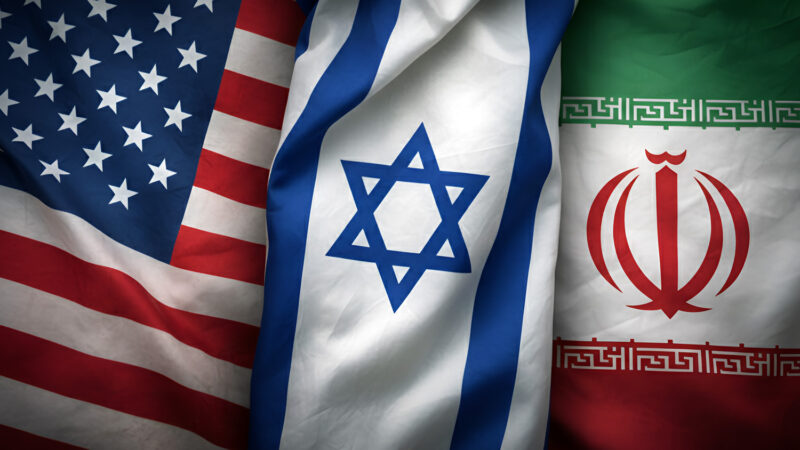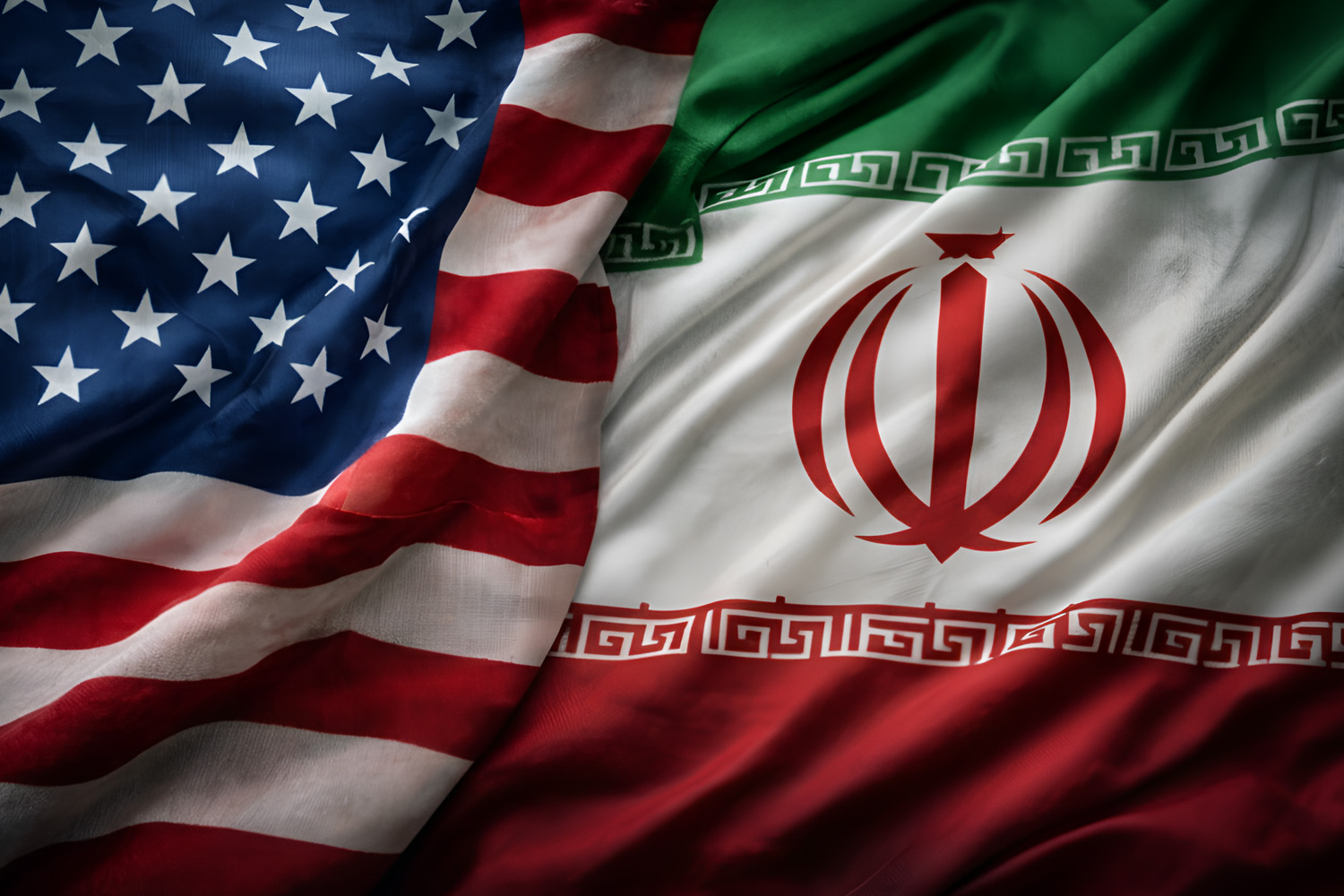
Tensions between Iran and the United States have intensified in recent weeks, with Tehran recently informing Gulf Arab partners – including Qatar – that any future Iranian retaliation against U.S. military bases would no longer be symbolic and could result in U.S. military casualties, according to reporting from The Washington Post and regional officials. This marks a significant escalation from previous exchanges of limited strikes and heightened diplomatic rhetoric.
Current Status of U.S.–Iran Relations
The U.S. and Iran are engaged in one of the most serious confrontations in years, shaped by a mix of military, diplomatic, and domestic pressures:
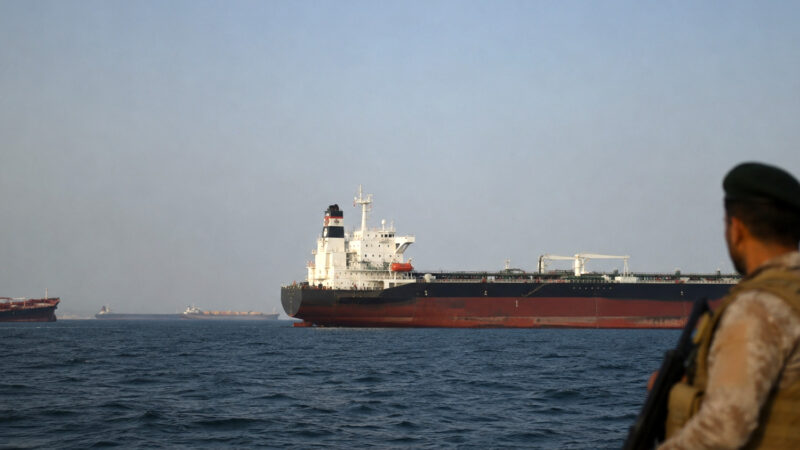
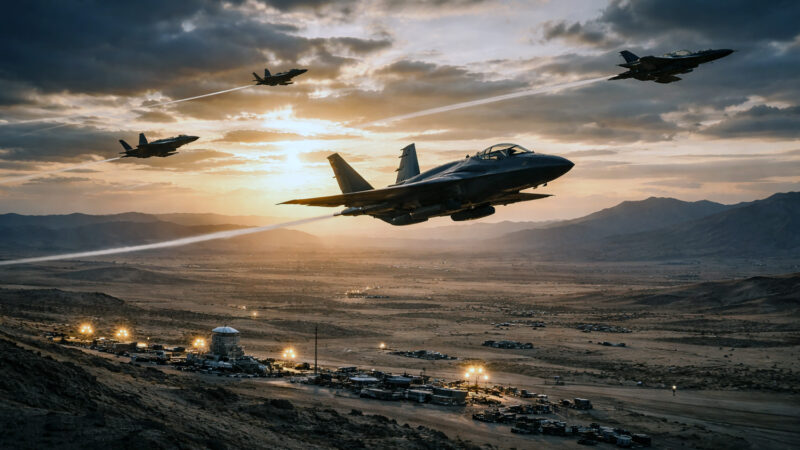
- Military posturing: The U.S. has increased its military presence in the Persian Gulf region, including deploying the aircraft carrier USS Abraham Lincoln and other forces. Iran’s leadership has repeatedly stated that U.S. forces and bases in the region are within the range of its missile capabilities, a signal that Tehran can strike back if threatened.
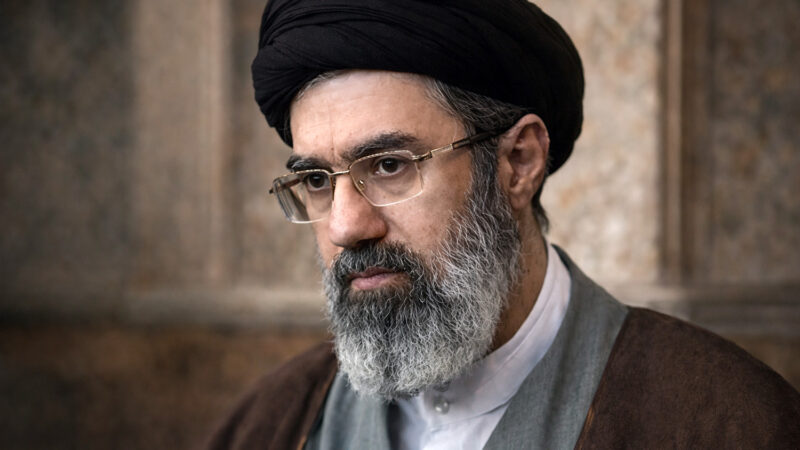
- Rhetoric and warnings: Iran’s top leaders, including Supreme Leader Ayatollah Ali Khamenei, have warned that any U.S. attack could trigger a broader regional conflict, framing such a clash as existential for Tehran. The government has also criticised U.S. foreign policy objectives, including its stance on Iran’s nuclear programme and support for anti-regime protests.
- Diplomacy and talks: Despite the escalation, there are signs of ongoing diplomatic engagement. In January 2026, The Guardian reported that U.S. and Iranian officials were communicating through intermediaries, with hints at negotiations to avoid a military confrontation – even while both sides maintain firm positions on key issues like nuclear restrictions and sanctions.
Why It Matters
The current US–Iran standoff comes at a time of deep mistrust and significant geopolitical fragility across the Middle East. In the past year, Iran has already demonstrated its willingness to retaliate – most notably with a missile strike on a U.S. base in Qatar in 2025 that caused no casualties but signalled Tehran’s capability and intent.
What makes the latest warnings important is Iran’s shift from symbolic retaliation to explicit threats that future responses could target U.S. troops directly. This stance raises the stakes not only for Washington and Tehran, but also for regional allies such as Saudi Arabia, the United Arab Emirates, and Qatar, who are increasingly wary of becoming entangled in a larger conflict.
Trend Impact
Analysts say that this phase of U.S.–Iran relations reflects a broader strategic impasse: the United States insists on pressuring Iran over its nuclear ambitions and regional influence, while Iran refuses to surrender what it perceives as sovereign rights and deterrence capabilities. If diplomatic channels cannot produce compromise, the risk of accidental escalation or intentional strikes with real casualties rises, with implications for global energy markets, regional security, and international alliances.
The situation remains fluid, with Gulf states balancing support for the U.S. with a desire to avoid full-scale conflict on their soil. How both powers manage this tension in the coming weeks could determine whether the crisis spirals or moves toward a negotiated de-escalation.