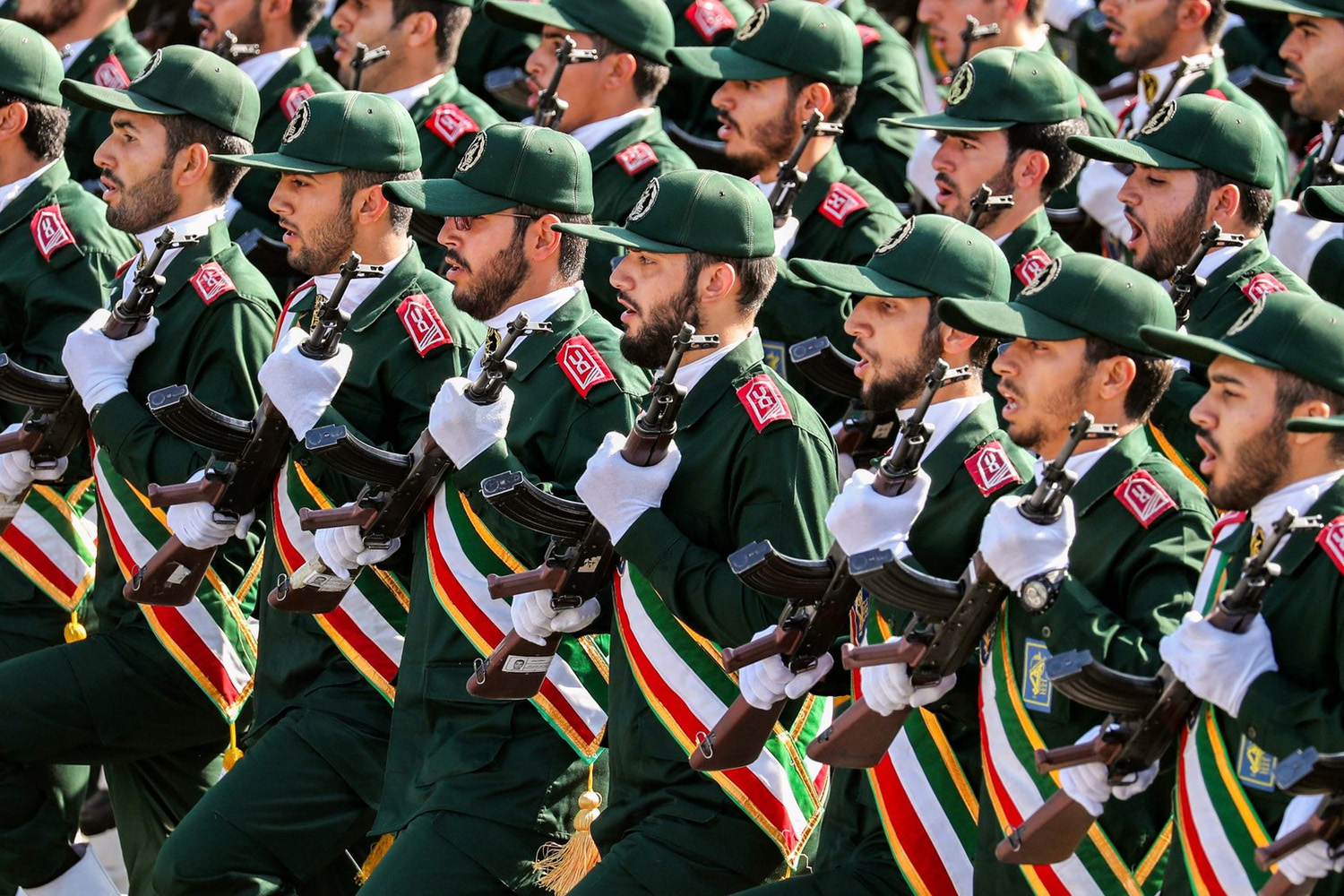
Brussels, January 29, 2026 – The European Union has officially designated Iran’s Islamic Revolutionary Guard Corps (IRGC) as a terrorist organization, marking a major escalation in EU policy toward Tehran. The decision was agreed unanimously by the EU’s 27 foreign ministers at a meeting in Brussels and adds the IRGC to the bloc’s terrorism blacklist, alongside groups such as al-Qaida and the Islamic State.
In a statement shared on social media, EU foreign policy chief Kaja Kallas said the designation reflects the bloc’s growing condemnation of the IRGC’s role in suppressing protests and committing serious human rights abuses. “Repression cannot go unanswered,” she wrote, highlighting concerns about the organisation’s actions during nationwide unrest in Iran.
New Sanctions on Officials and Entities
Alongside the IRGC designation, the EU imposed sanctions on 15 Iranian officials and six entities linked to violent crackdowns and human rights violations inside Iran. Among those listed are Iran’s Interior Minister, Eskandar Momeni, and Prosecutor General Mohammad Movahedi Azad. The sanctions include asset freezes and travel bans across the EU for those targeted.
Iran’s government has strongly condemned the move, dismissing the designation as “illogical” and “politically motivated,” and warning of potential consequences in diplomatic and economic relations with the EU.
Why It Matters
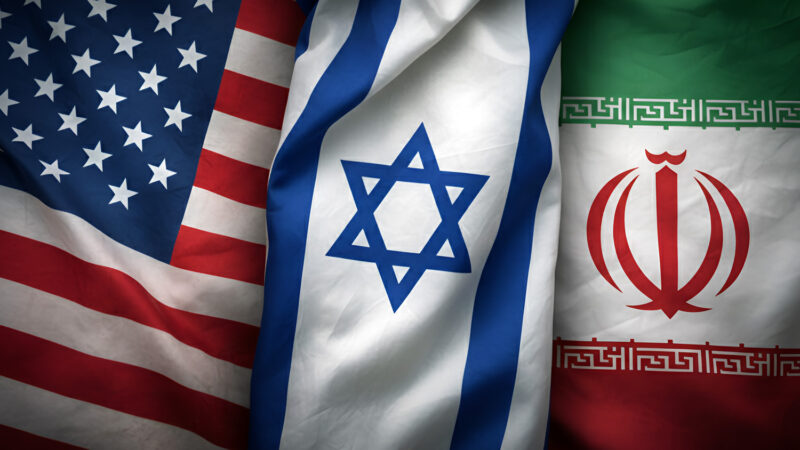
This development represents a significant shift in European foreign policy. Until now, the EU had stopped short of branding a prominent state military institution like the IRGC as a terrorist organization. The designation comes amid heightened tensions over Iran’s domestic protests and international security concerns, aligning EU policy more closely with prior U.S. and Canadian designations of the IRGC.
The sanctions on senior Iranian officials also underline growing international pressure on Tehran over its handling of internal dissent and systemic human rights abuses. Analysts say the move could complicate diplomatic engagement and have knock-on effects for trade, energy markets, and EU-Iran relations.
Trend Impact
By placing the IRGC on its terrorism list, the EU is signaling a tougher stance toward state-linked actors accused of repression, which may influence other Western countries’ policies and contribute to broader geopolitical shifts in the Middle East. The sanctions against senior figures in Iran’s government also reflect increased willingness by European capitals to use economic measures as a response to human rights concerns and regional security threats.