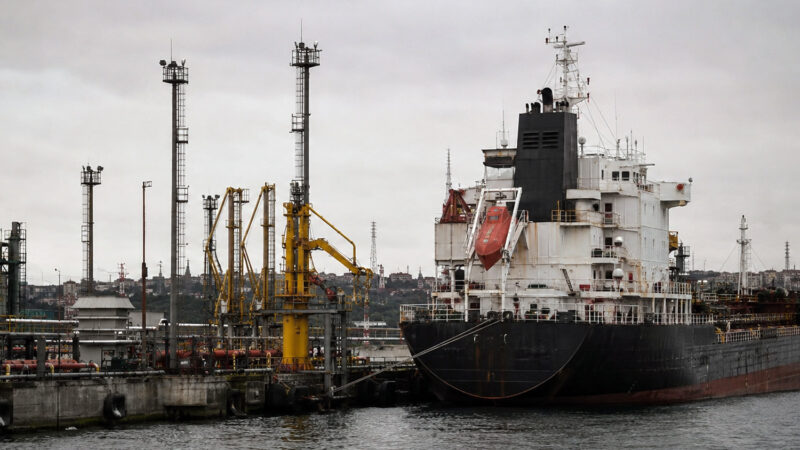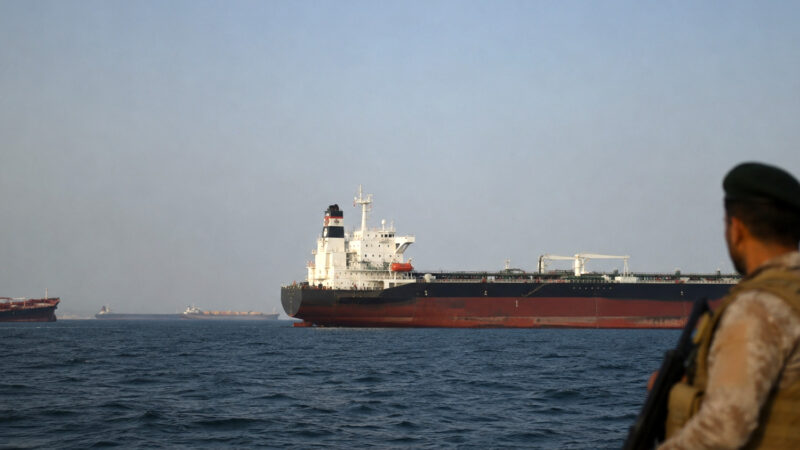
India is sharply reducing its import of Russian crude oil, a significant pivot in the energy strategy of the world’s third-largest oil importer. According to India’s Oil Minister Hardeep Singh Puri, Russian oil supplies have fallen from about 1.8 million barrels per day (bpd) to roughly 1.3 million bpd, a roughly 28 % decrease compared with previous levels. The trend reflects New Delhi’s drive to diversify energy sources and recalibrate geopolitical ties, particularly with the United States.
Why it matters: This reduction marks a notable shift in global oil flows and shows India’s balancing act between securing affordable energy and responding to geopolitical and trade pressures. Energy security remains a top priority for New Delhi, but diversification also strengthens India’s negotiating position with global partners.
What’s Behind the Decline
The drop in Russian crude imports is being driven by emerging alternative sources and strategic diversification – India now imports oil from more than 40 countries, up from 27 previously. Puri highlighted that Indian oil companies make independent procurement decisions, and the government has not issued a direct mandate to stop buying Russian oil.
The shift also aligns with economic and diplomatic considerations. India is expanding purchases from suppliers like Canada and the United States, while increasing the overall share of natural gas in its energy mix.
US Tariffs and Trade Dynamics
New Delhi’s reduced reliance on Russian crude comes amid U.S. tariff pressures tied to India’s energy purchases. Washington imposed additional tariffs on Indian exports – with duties rising to as much as **50 % – partly to push India toward cutting Russian oil imports further. U.S. officials have publicly linked tariff relief to significant reductions in Russian oil purchases, although responses from Washington on tariff rollback have been mixed.
Trend impact: The tariff dynamic underscores how energy trade decisions are now deeply intertwined with broader U.S.–India economic and strategic relations. India’s approach could shape future trade negotiations and influence how emerging economies navigate geopolitical pressure points.
What This Means for India
- Energy security remains paramount: India continues to secure large volumes of crude to meet growing domestic demand.
- Diversification gains pace: Broader supplier base reduces dependence on any single source, boosting resilience.
- Diplomacy and economics intersect: Import decisions now factor into trade talks and tariff negotiations with major partners like the U.S.