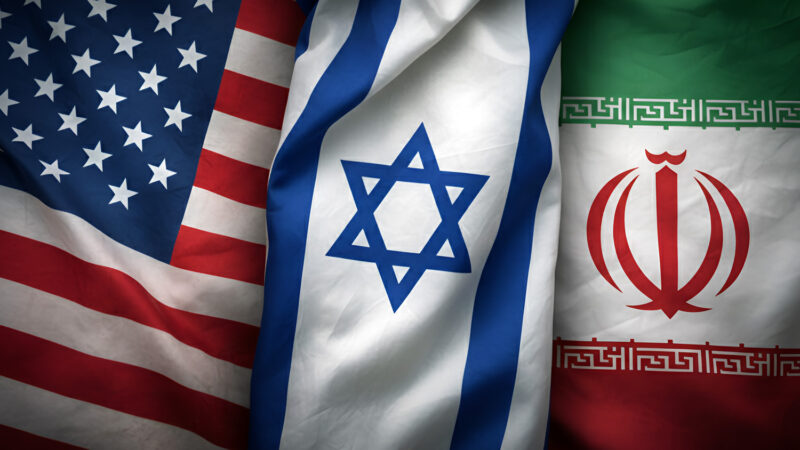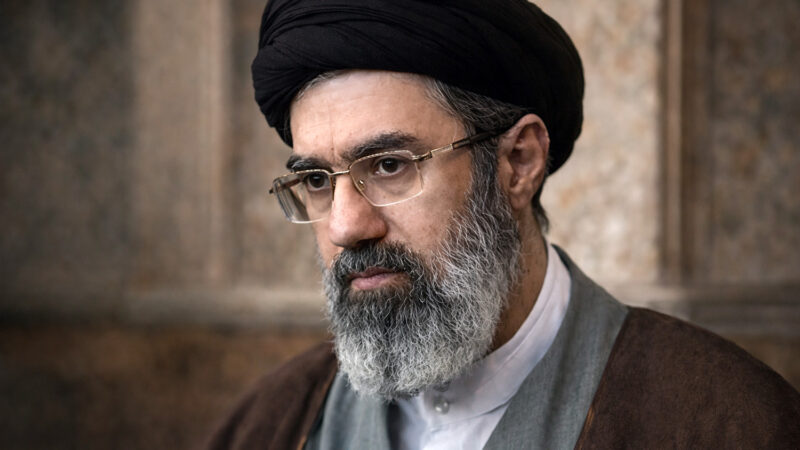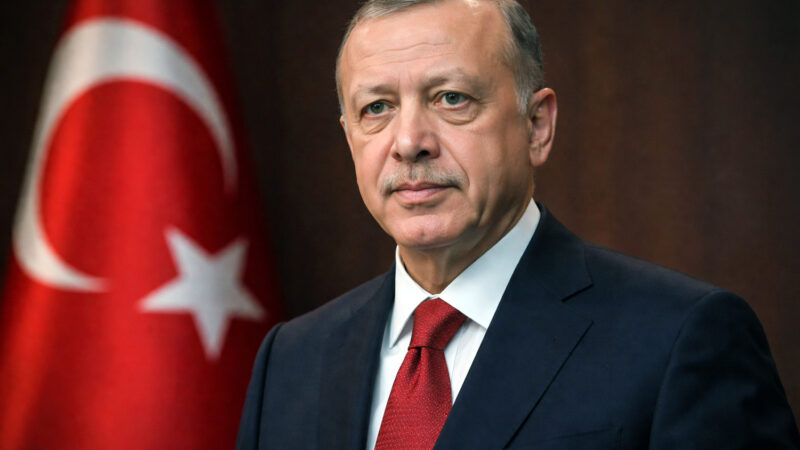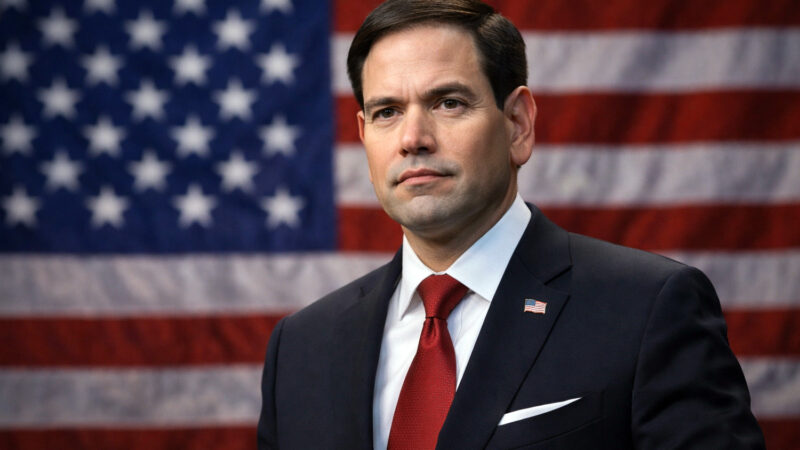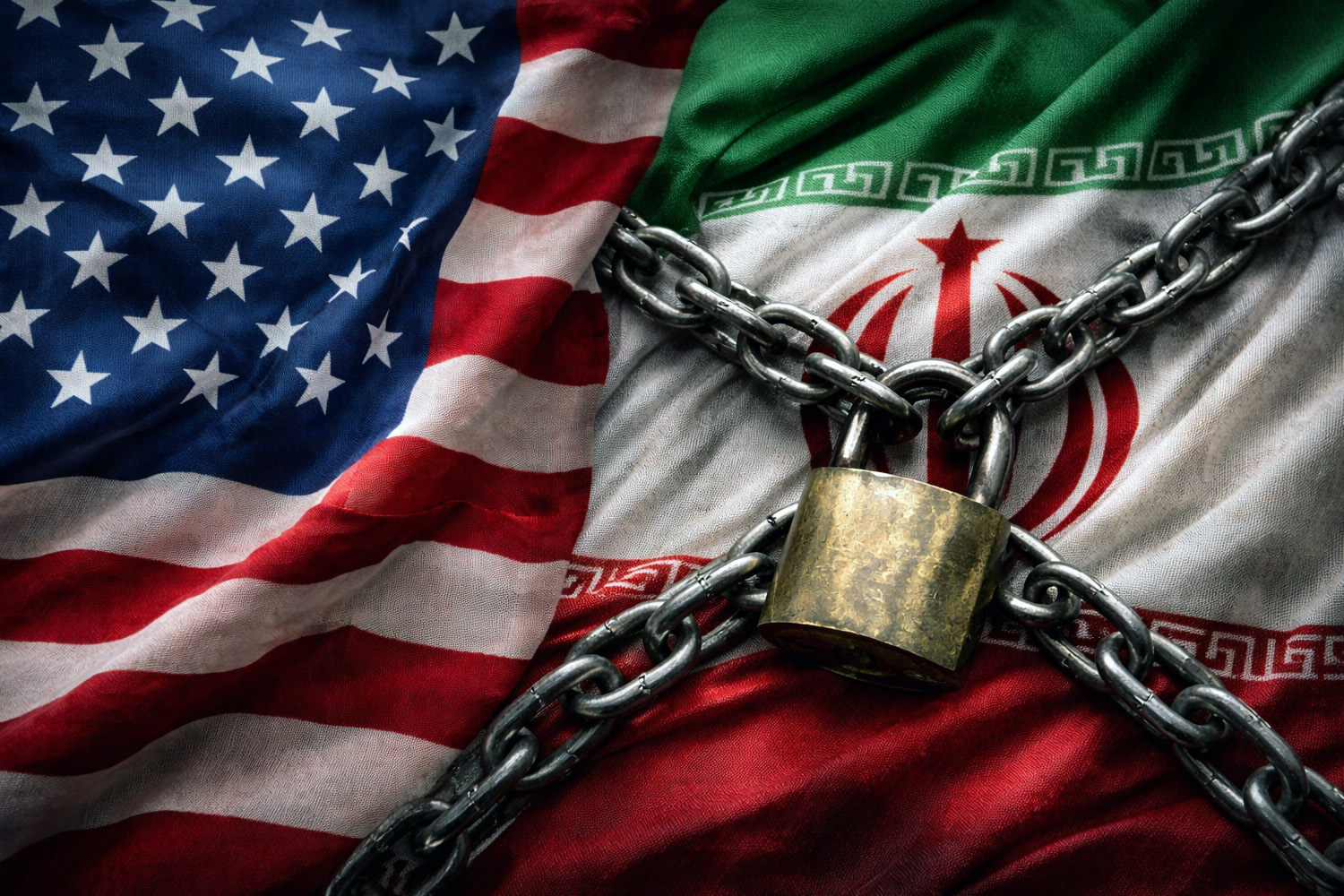
On January 15, 2026, the United States government announced a new round of sanctions targeting senior Iranian officials and financial networks that Washington accuses of playing central roles in suppressing widespread anti-government protests across Iran. These measures were unveiled by the U.S. Treasury Department as part of the Trump administration’s campaign to hold Tehran accountable for human rights abuses, while also seeking to curb the regime’s ability to move and hide assets internationally.
Who Is Sanctioned and Why
The sanctions list includes:
- Ali Larijani, Secretary of Iran’s Supreme Council for National Security, identified by U.S. officials as a key coordinator of the Iranian government’s crackdown on protesters;
- Commanders of the Islamic Revolutionary Guard Corps (IRGC) and regional Law Enforcement Forces, accused of overseeing violent actions against civilians in provinces like Lorestan and Fars;
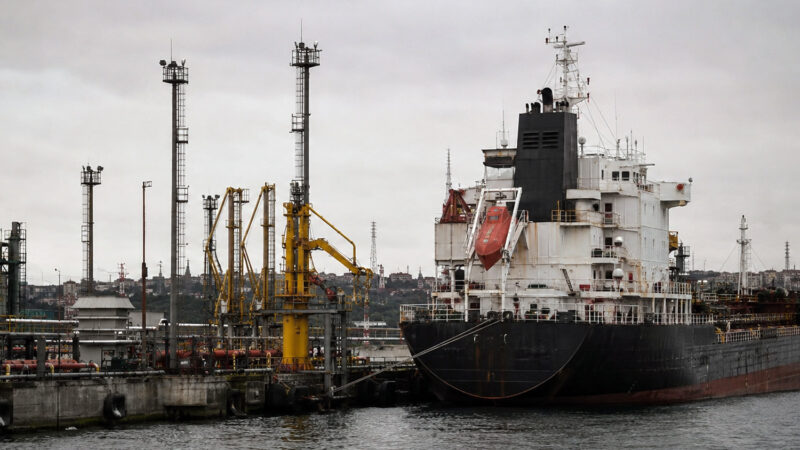
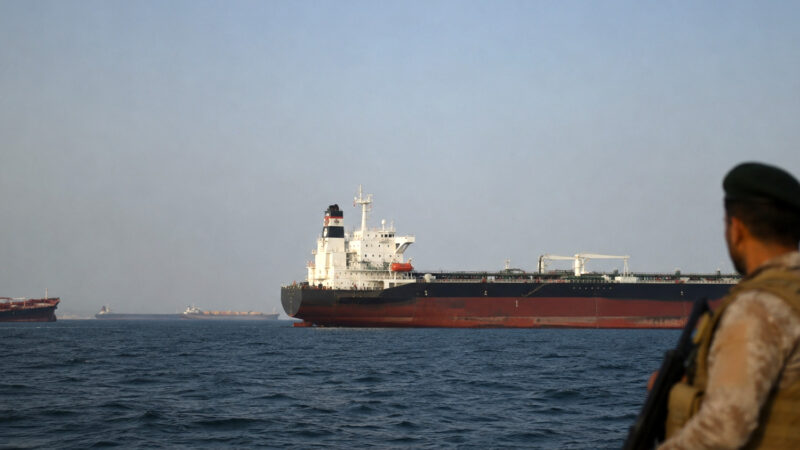
- A group of 18 individuals and entities linked to “shadow banking” networks used to launder proceeds from Iranian petroleum and petrochemical sales through front companies and exchange houses in countries including the United Arab Emirates, Singapore and the United Kingdom.
The Treasury Department said these officials and networks are tied to the violent response to protests that began in late 2025 and escalated into one of the most significant internal challenges to Iran’s theocratic leadership in decades.
Freezing Assets and Monitoring Funds
Under the sanctions, any assets these individuals or entities hold under U.S. jurisdiction are frozen, and American persons and businesses are generally prohibited from engaging in transactions with them. The Treasury also warned that financial institutions worldwide could face secondary sanctions if they facilitate transactions with sanctioned parties.
Treasury Secretary Scott Bessent underscored that the U.S. administration is closely tracking the movement of funds by regime leaders, including alleged efforts to wire money abroad in the face of mounting unrest and economic pressure.
Context: Protests and International Response
The protests – initially triggered by deepening economic distress – have grown into broader challenges against Iran’s political system. Human rights groups and independent monitors have documented thousands of deaths and widespread arrests during the demonstrations.
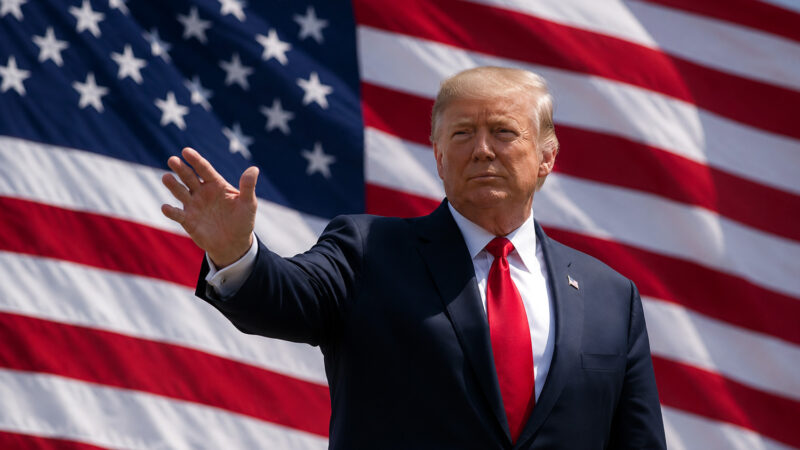
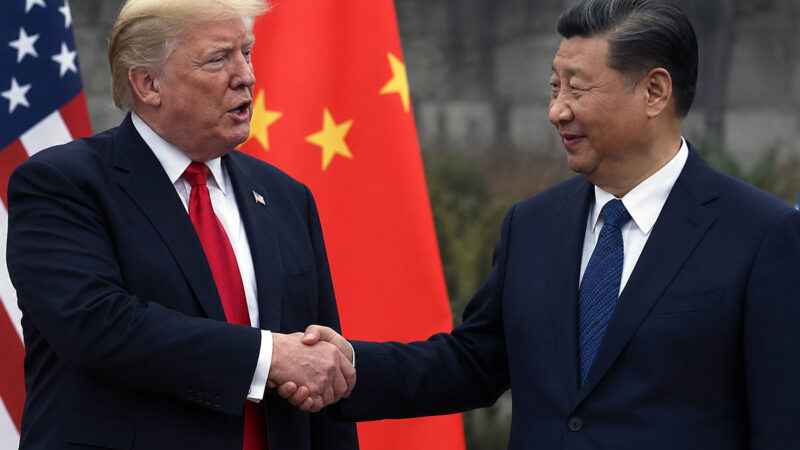
President Donald Trump reiterated support for Iranian protesters and emphasized that sanctions form part of the U.S. “maximum pressure” strategy against Tehran’s leadership. At the same time, he noted reports suggesting that violence in some areas had eased, while maintaining that all policy options remain on the table.
International and Regional Reactions
The sanctions have drawn attention across the Middle East and beyond. Some regional governments engaged in diplomatic efforts appear to be working to reduce immediate tensions between the U.S. and Iran, emphasizing de-escalation even as Washington continues to apply economic pressure.
What This Means Going Forward
These latest sanctions illustrate the growing international focus on Iran’s human rights record and the Iranian government’s response to dissent. They are intended to disrupt financial networks that the U.S. alleges support Tehran’s internal repression and external destabilizing activities. Analysts note that sanctions alone may not immediately change Tehran’s policies but are part of a broader pressure campaign.