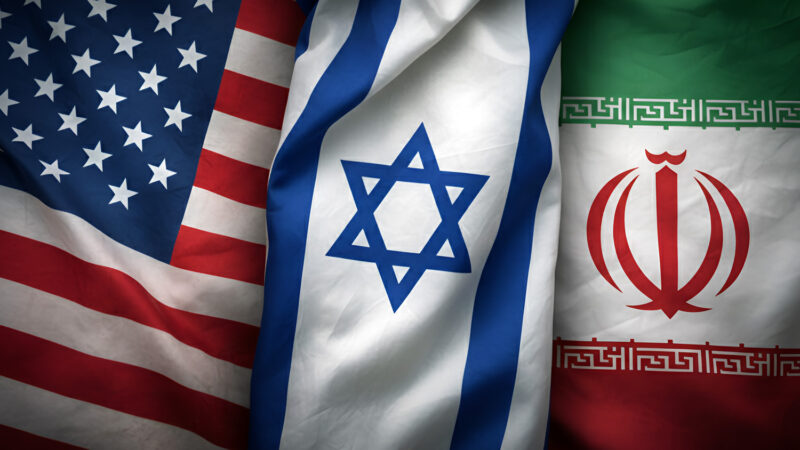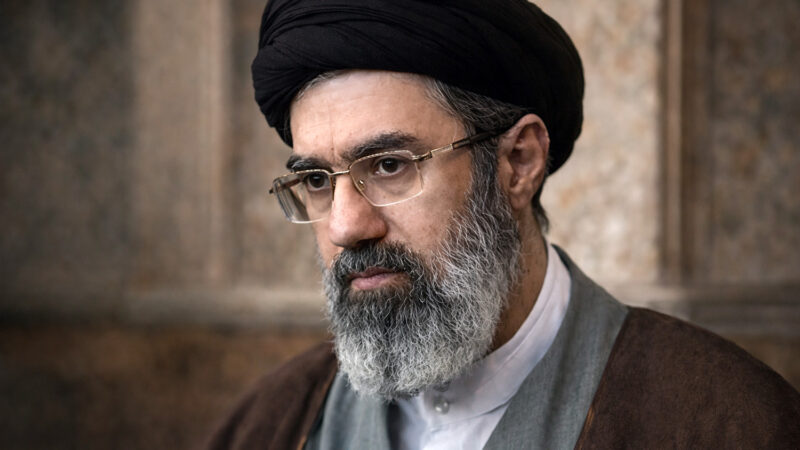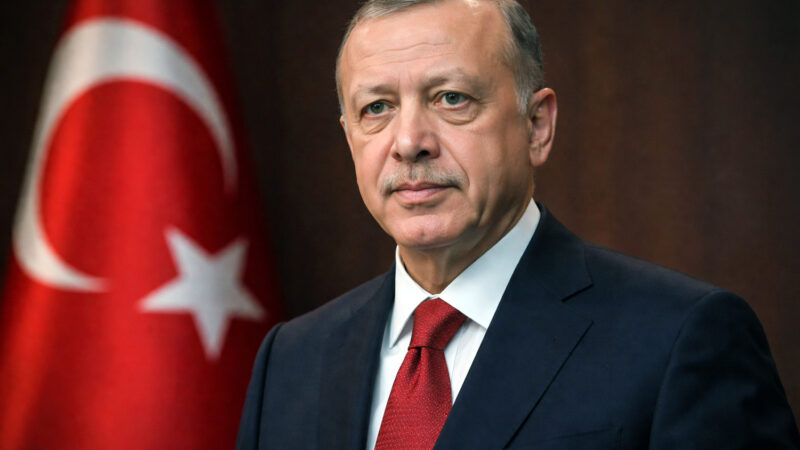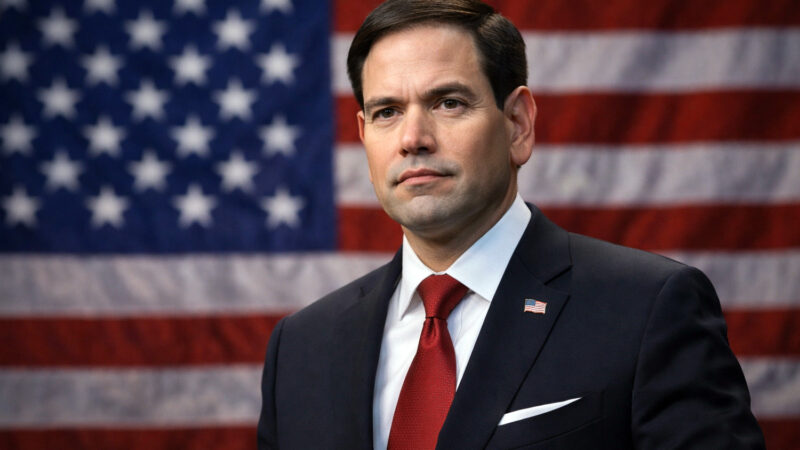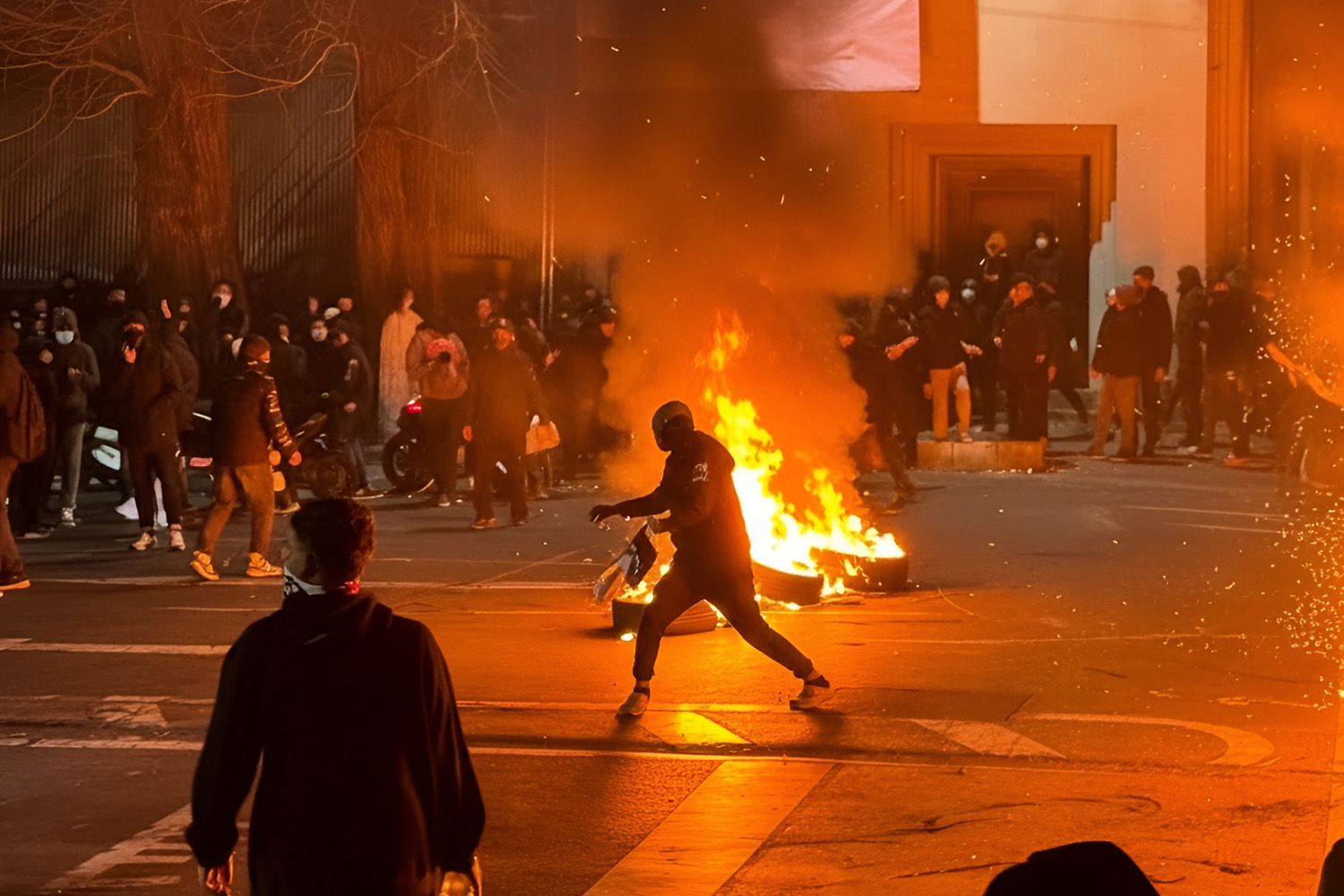
In early January 2026, Iran has been gripped by one of the largest waves of public protests in years, with demonstrations in Tehran and across the country entering their second and third weeks amid a harsh government response and severe communication restrictions.
The unrest began in late December 2025 as demonstrations over economic hardships – including high inflation, the collapse of the national currency, and rising prices – spread beyond Tehran’s bazaars into widespread anti-government anger. Protesters have voiced broader political grievances, in many cases calling for an end to the Islamic Republic’s clerical rule.
Nationwide Protests and Clashes
What started as local economic protests against rising costs and the fall of the Iranian rial rapidly evolved into much broader demonstrations across multiple cities and provinces. Protesters have been seen in the capital and in other regions demanding political and economic change.
Security forces have responded with force – including the use of tear gas, live ammunition, and arrests – leading to numerous clashes between demonstrators and law enforcement.
Rising Death Toll and Arrests
According to human rights groups, hundreds of people have been killed in the confrontations – with some estimates reporting over 500 deaths – and thousands arrested since late December. These figures are difficult to verify due to restricted communications, but rights organizations and media reports have highlighted significant casualties, including the killing of a young student in Tehran.
Internet Blackout and Communication Restrictions
In an effort to curb the flow of information and the organization of protests, Iranian authorities imposed a near-total nationwide internet blackout beginning on 8 January 2026. The shutdown has effectively cut off most Iranians from global communication platforms and dramatically limited access to independent news and social media.
The blackout has been widely interpreted as a government tactic to impede both internal coordination among protesters and external reporting, similar to shutdowns used in previous periods of unrest.
Government Response and Rhetoric
Iranian leadership – including security officials and the judiciary – has justified the crackdown by labeling demonstrators as “rioters” and accusing foreign powers of fomenting unrest. Some government figures have pledged “no leniency” toward protest participants, signaling a willingness to continue harsh measures against demonstrations.
At the same time, President Masoud Pezeshkian has attempted to frame the protests in terms of economic grievances while pledging reforms, though this has done little to quell the demonstrations.
International Reactions
The severe repression and mass arrests have drawn international concern. Prominent figures and human rights advocates warn of potential mass violence, especially under conditions where independent monitoring is severely hampered by the internet blackout.
Some foreign governments and activists have voiced support for the protesters’ calls for greater freedoms and reforms, while others urge restraint and respect for human rights.
Why It Matters
The current wave of protests is considered by many analysts to be one of the most significant challenges to Iran’s ruling system since the major upsurges in 2019 and 2022. The combination of economic collapse, widespread participation, and limited communication makes this a pivotal moment in Iran’s recent history.
As the situation continues, updates are emerging daily and may evolve rapidly, especially given the difficulties in communication and documentation inside Iran.