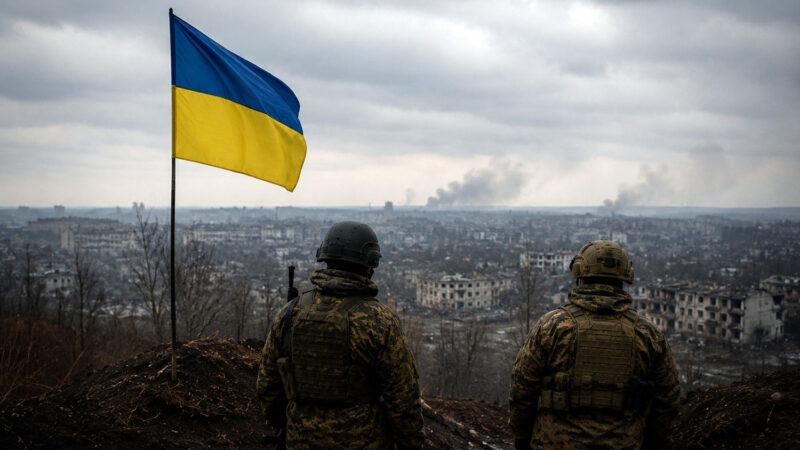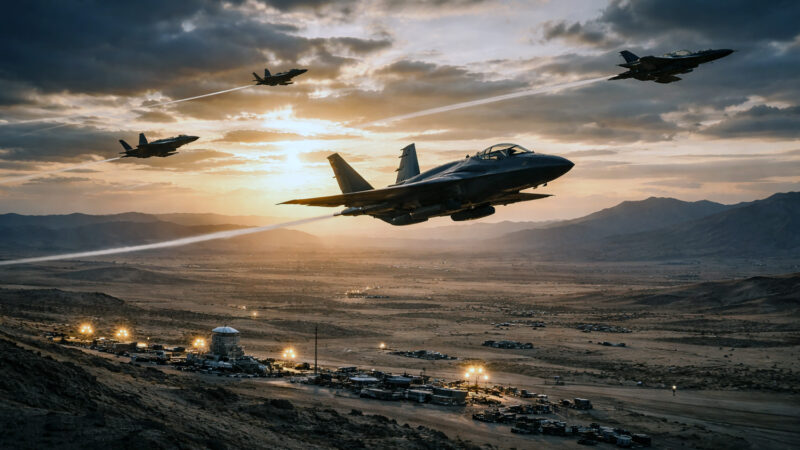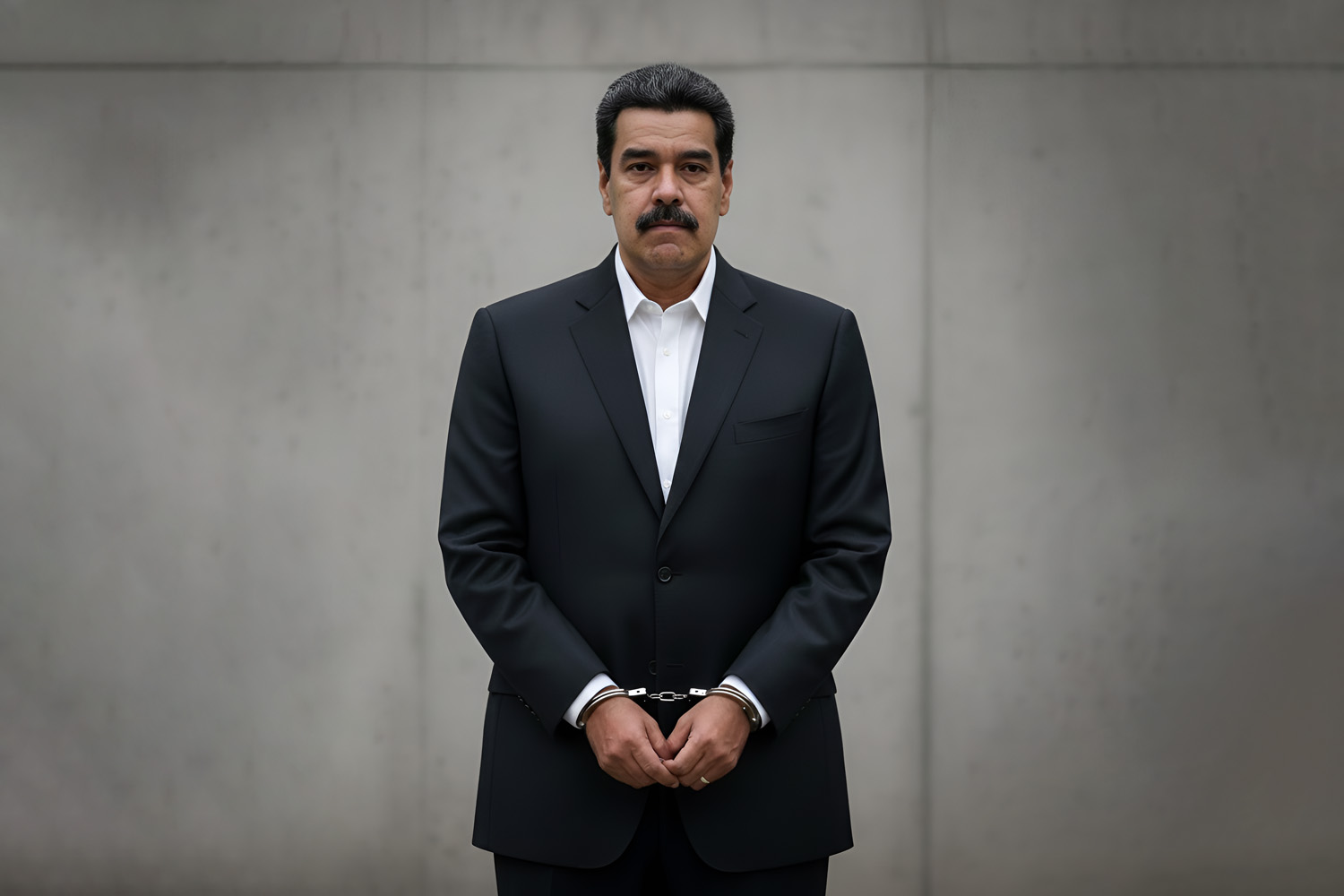
January 5–6, 2026 (Caracas / International) – Venezuela remains in political and economic disruption days after U.S. military forces carried out an operation on January 3, 2026 that resulted in the seizing of President Nicolás Maduro and his wife, Cilia Flores, and their removal from the country, according to U.S. officials. The dramatic intervention – confirmed by multiple outlets as executed under a mission called Operation Absolute Resolve – has triggered widespread geopolitical reactions, domestic uncertainty, and a near-total suspension of Venezuela’s vital oil exports.
Maduro and Flores were flown to New York and are expected to face multiple charges in U.S. federal court, including narcoterrorism and cocaine-related offences, according to U.S. authorities. Venezuelan courts, meanwhile, appointed Delcy Rodríguez – Maduro’s former vice president – as interim president, though her authority is contested amid continuing instability at the highest levels of Venezuelan politics.
Political Shift and Domestic Uncertainty
In Caracas and around Venezuela:
- Official state media have denounced the U.S. military action as “imperialist aggression”, with senior Venezuelan officials and allied governments characterizing it as a violation of sovereignty.
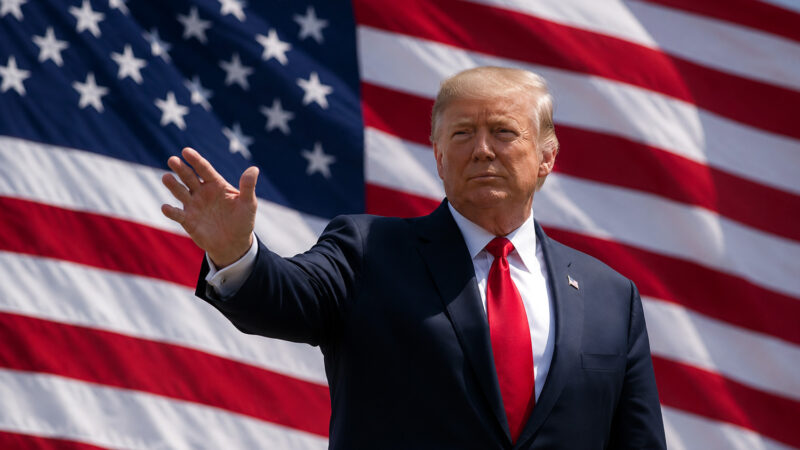
- While U.S. leaders have described the mission as targeting narco-trafficking and authoritarianism, Venezuelan security forces and several civilian sectors remain aligned with Rodríguez’s government. Some elements of Maduro’s broader political circle are still visible within Caracas, though the full power structure is unsettled.
- Scenes in the capital and other cities have reflected a mix of fear, defiance, and localized support for regime change, though clear, sustained nationwide pro- or anti-intervention demonstrations have yet to coalesce.
Independent verification of full government control is still evolving.
Global Reactions: Division and Diplomatic Strain
The international response has been sharply divided:
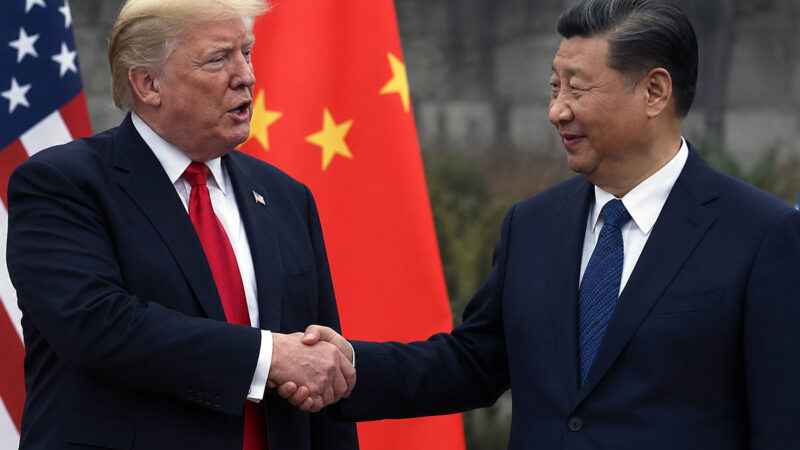
- China condemned the U.S. action as a breach of international law and demanded the release of Maduro and his wife, framing the intervention as an attack on sovereignty.
- Other governments, including those traditionally critical of U.S. military operations, have echoed similar concerns at forums such as the United Nations, where diplomats stressed the need for multilateral approaches and respect for sovereignty.
- Some opposition figures and Western analysts praised the outcome as a chance for democratic transition, though others – including U.S. political voices – argued the operation was unlawful or unwise and could destabilize the region.
These contrasts highlight a deeply split global stance on the U.S. intervention and the future of Venezuelan governance.
Oil Exports: From Collapse to Standstill
One of the most immediate and tangible impacts of the crisis has been on Venezuela’s oil sector, historically the backbone of its economy:
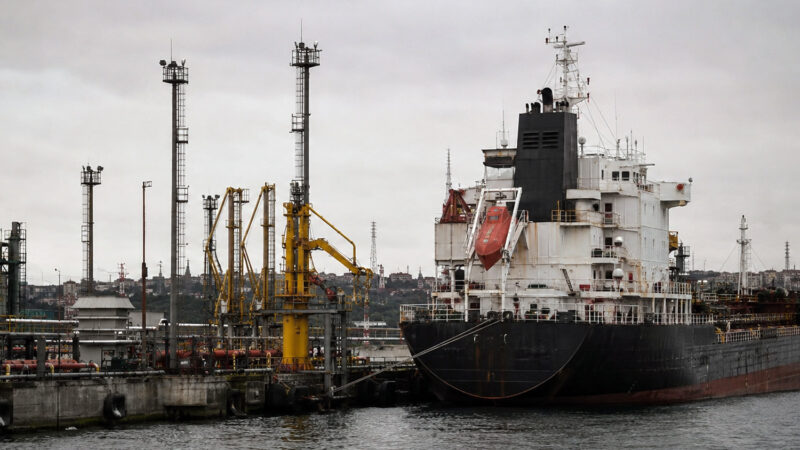
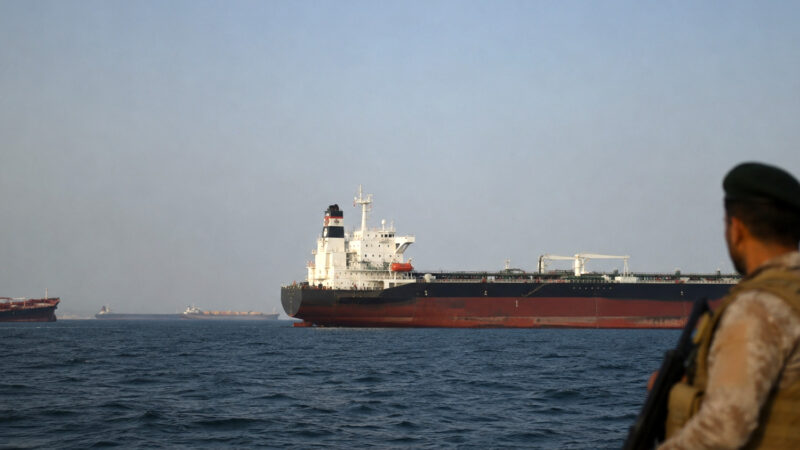
- Oil exports have effectively halted after the U.S. intervention and related embargoes. Tankers that had been en route or anchored off Venezuelan ports have not received clear authorizations to load and depart, effectively stopping crude shipments. This includes vessels linked with partnerships in the state oil company PDVSA and U.S. firms such as Chevron.
- Storage facilities onshore and in floating storage have filled rapidly amid the lack of export movement, forcing production cuts and shutdowns at some oilfields.
- Venezuela’s oil exports had already been sharply reduced before the political crisis due to years of underinvestment, sanctions, and operational challenges. Even before the latest events, production hovered near 1 million barrels per day (bpd) – far below the multi-million bpd levels seen decades ago.
- The suspension of exports not only cuts deeply into state revenues but also exacerbates shortages and inflation inside Venezuela, where crude sales historically funded imports of food, medicine, and critical imports.
Experts emphasize that even if political stability returns, reviving Venezuela’s oil production and export capacity will require years of investment and infrastructure rebuilding, given prolonged underinvestment and technical challenges within PDVSA and the broader sector.
Economic and Market Signals
Early market reactions saw oil prices ease rather than spike after the announcement of Maduro’s removal, reflecting analysts’ long-held view that Venezuela’s diminished oil output – despite its vast reserves – plays only a modest role in the global supply balance.
Some U.S. officials have openly discussed plans for American oil companies to enter and rehabilitate Venezuela’s fields and infrastructure, emphasizing potential long-term investment – though such initiatives would likely face legal, diplomatic, and operational hurdles.
What Happens Next
As of early January 2026, the key developments moving forward include:
- International diplomacy, especially at the U.N. Security Council, where nations are debating the legality and ramifications of the U.S. military action.
- Venezuela’s internal power dynamics, with interim leadership under Delcy Rodríguez and ongoing questions about elections, governance, and constitutional legitimacy.
- Oil export resume or restructuring, dependent on political decisions, sanctions policy, and investment strategies in cooperation with foreign partners.
- Legal proceedings in the U.S., where Maduro and Flores are set to appear on criminal charges.
Given the rapid evolution and significance of these events, further verified reporting is expected to clarify trajectories on governance, oil exports, and regional security in the days and weeks ahead.