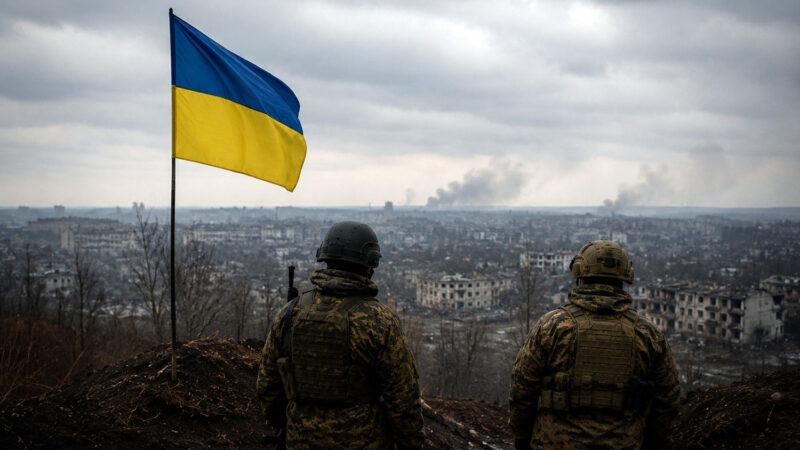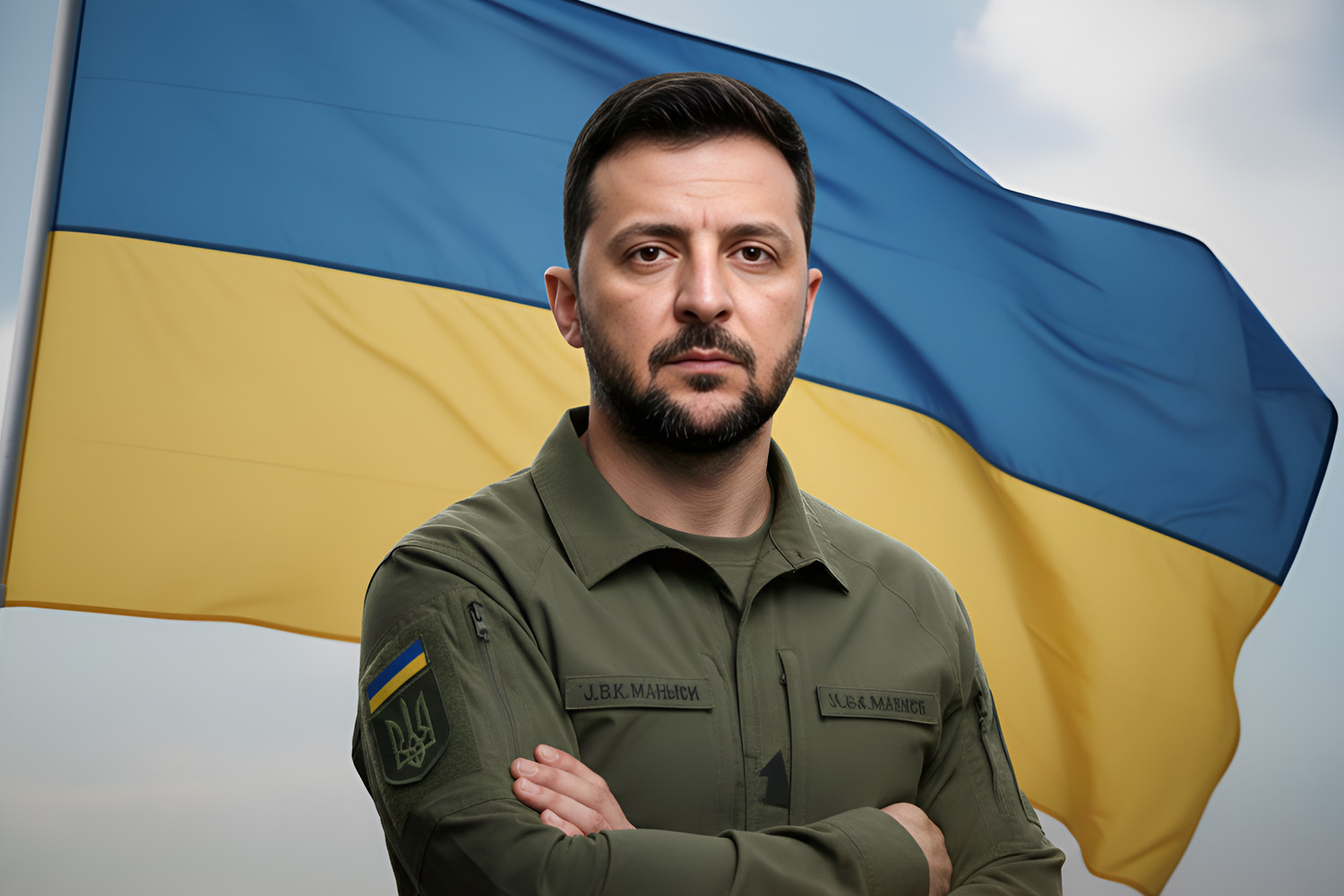
Kyiv, Ukraine – December 24, 2025 – Ukrainian President Volodymyr Zelensky today publicly outlined the full 20-point peace framework that Kyiv and Washington have been negotiating with Russia and European partners as a potential basis to end the war that began in 2022. The document, described by Zelensky as a “framework” or “basic document on ending the war,” reflects compromises reached so far and sets out key principles and proposals to secure a long-term peace.
Below is the complete list of the 20 points as presented publicly by Ukrainian officials and reported in multiple verified sources. Some items combine overlapping provisions where reporting varies across outlets:
- Affirmation of Ukraine’s sovereignty – The plan reaffirms that Ukraine is a sovereign state.
- Full, unconditional non-aggression – A non-aggression agreement between Russia and Ukraine, with an international monitoring mechanism along the contact line.
- Security guarantees for Ukraine – Broad security assurances for Ukraine.
- Ukraine’s armed forces – A peacetime cap on the size of Ukraine’s military at 800,000.
- “Article-5-like” guarantees – The United States, NATO members, and European signatories would provide Ukraine with security guarantees modelled on NATO’s collective defence.
- Russian legislative non-aggression – Russia would enshrine non-aggression toward Ukraine and Europe in law; provisions on reciprocal force withdrawal subject to a Ukrainian referendum if implemented.
- European Union accession – A commitment to Ukraine’s accession to the European Union within a defined timeframe.
- Global development package – Establish a global development vision for Ukraine’s recovery and future economic integration.
- Reconstruction funds – Creation of multiple funds targeting up to $800 billion in investment for reconstruction.
- U.S.–Ukraine trade agreement – Accelerate negotiations toward a free trade agreement with the United States.
- Nuclear non-proliferation commitment – Ukraine maintains a non-nuclear status as part of the security arrangements.
- Humanitarian and civil rights measures – Provisions to protect rights and address humanitarian concerns (e.g., tolerance, rule of law) (reported in broad summaries).
- Demilitarized economic zones – Proposals for demilitarized or free economic zones in contested east Ukraine, subject to negotiation and referendum.
- Zaporizhzhia nuclear plant governance – Outlines unresolved discussions on future status and safety arrangements at the Russian-held Zaporizhzhia nuclear power plant (details still contested).
- No forced border changes – Both sides commit not to change agreed territorial arrangements by force.
- Freedom of maritime access – Guarantees for Ukraine’s use of the Black Sea and the Dnipro River, including demilitarization of key maritime points.
- Humanitarian committee – Establish a joint committee to manage prisoner exchanges, return of abducted children, and other humanitarian issues.
- Post-agreement elections – Ukraine to hold elections “as soon as possible” after signing.
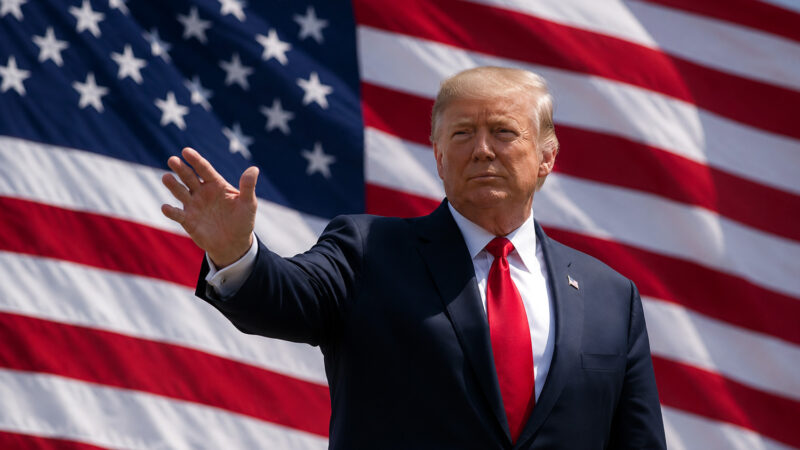
- Legal enforcement & Peace Council – The agreement would be legally binding, monitored by a Peace Council chaired by the U.S. president.
- Immediate ceasefire – Upon agreement by all parties, a full ceasefire would take effect immediately.
Background & Context
The 20-point peace framework is the result of weeks of diplomacy involving Ukrainian, U.S., and European officials and is intended as a political basis for ending the Russia-Ukraine war. It is a revised successor to an earlier 28-point proposal that faced widespread criticism and has been substantially reshaped with Western input.
While Kyiv and Washington have aligned on most points, territorial questions – especially regarding Donbas and control of the Zaporizhzhia nuclear power plant – remain unresolved and are expected to be addressed at the highest leadership levels or through referenda. Russia has been formally presented with the framework and its response is pending.