EU Agrees to End Russian Gas Imports – What It Means for the Bloc
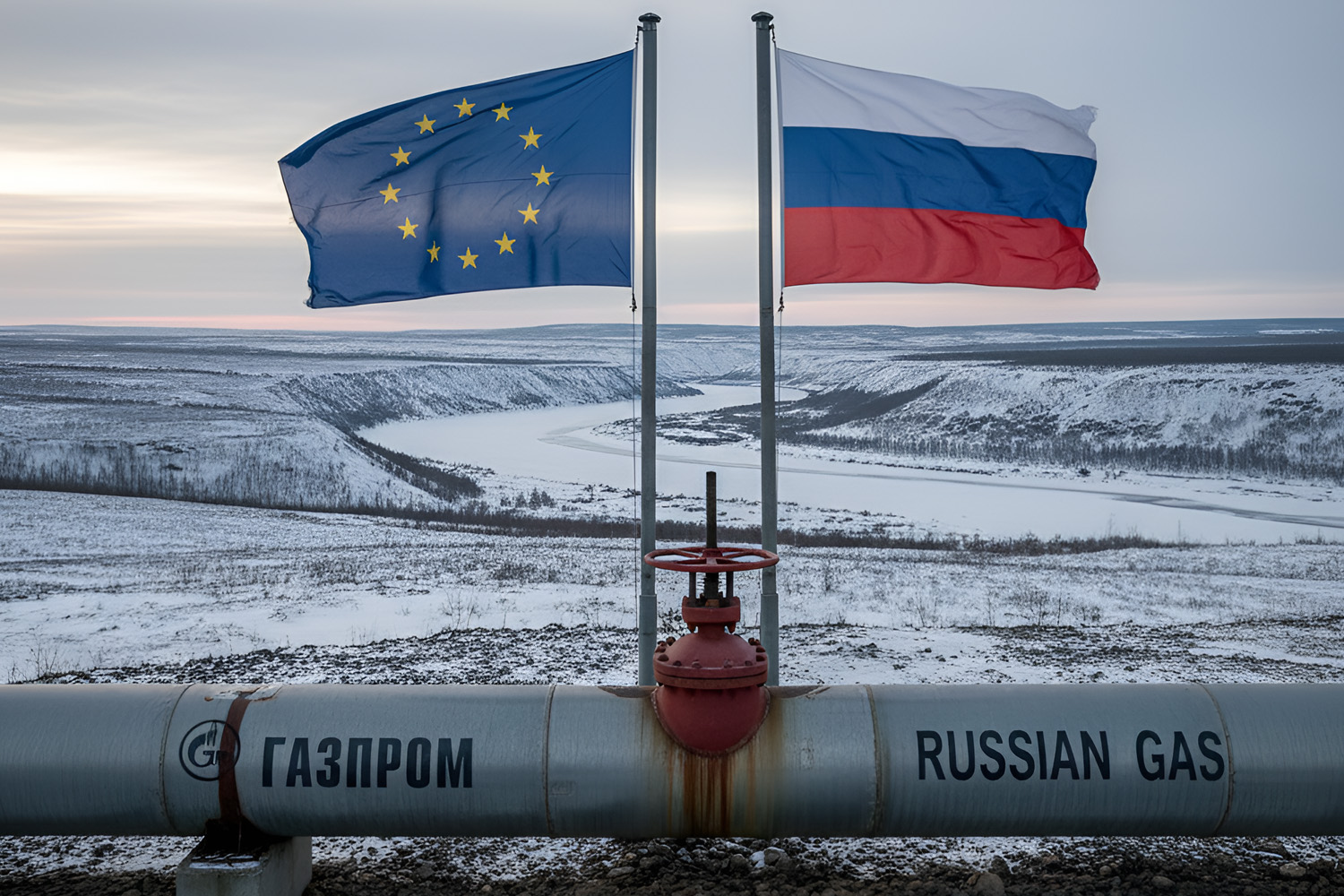
On 3 December 2025, the European Union (EU) formalized a provisional agreement between the European Council and the European Parliament to phase out all imports of natural gas from Russian Federation.
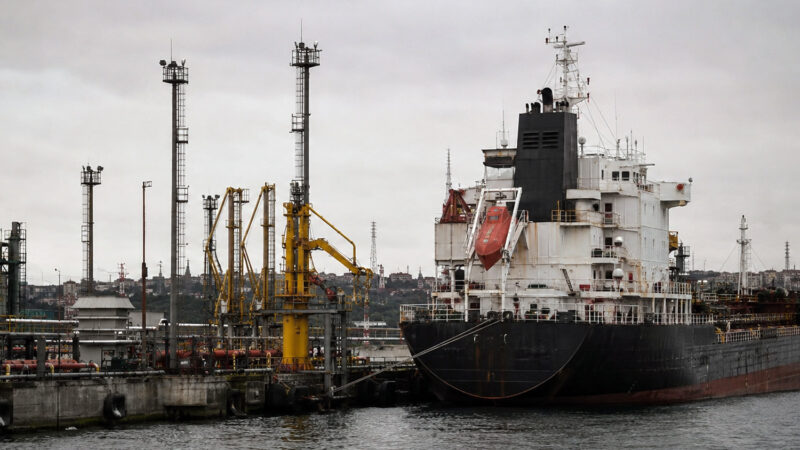
The decision – part of the broader energy strategy known as REPowerEU – establishes a legally binding, step-by-step timeline for ending Russian gas deliveries, both liquefied natural gas (LNG) and pipeline gas.
Key Dates of the Phase-Out
- Short-term contracts signed before 17 June 2025 will end first: LNG imports will stop by 25 April 2026; pipeline gas by 17 June 2026.
- Long-term LNG contracts must cease by 1 January 2027.
- Long-term pipeline gas imports are to be terminated by 30 September 2027, or at the latest by 1 November 2027, depending on gas storage conditions in member states.
Once fully implemented, no Russian-origin gas – whether LNG or pipeline – will enter the EU market.
Why the EU Is Taking This Step
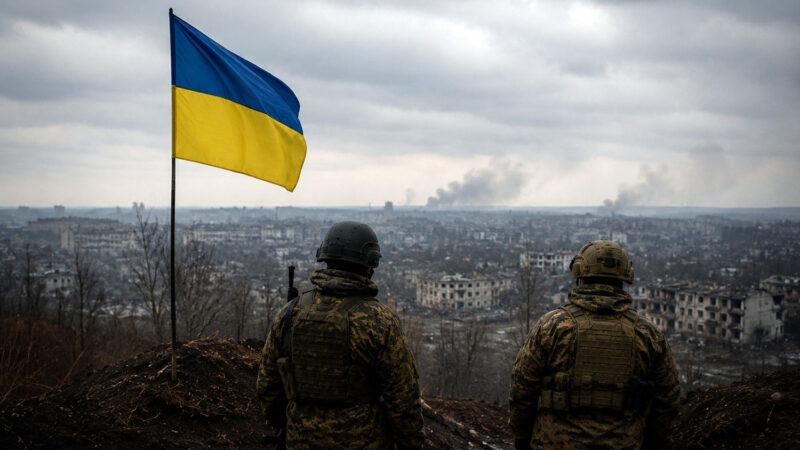
The phase-out is framed as a critical move toward energy independence and security. The EU says it aims to end its dependency on Russian energy resources, especially after Russia’s 2022 invasion of Ukraine and repeated disruptions of energy supply.
By cutting off Russian gas imports, Brussels intends to reduce Moscow’s leverage and financial resources tied to fossil fuel sales – and strengthen the resilience of the EU energy market.
What It Means – Challenges and Impact
- Energy Security & Transition Pressure: Some EU member states remain heavily reliant on Russian gas. The transition will require diversifying supply sources, investing in LNG terminal infrastructure, accelerating renewables, and ensuring storage capacity.
- Economic & Contractual Adjustments: Existing long-term supply contracts will be terminated. Companies and governments must adapt quickly, renegotiating supply, logistics, and possibly dealing with increased energy costs during transition.
- Geopolitical Message: The decision underscores the EU’s political stance against Russia’s aggression and aims to curtail funding that could support military efforts. It also sends a signal to global energy markets that Europe is permanently shifting away from reliance on Russian gas.
What Comes Next
Member states must now present diversification plans – identifying alternative suppliers, increasing storage capacity, and upgrading infrastructure – to ensure energy supply remains uninterrupted during the transition.
Meanwhile, the EU will enhance transparency and monitoring of gas supplies to prevent evasion or re-routing of Russian gas via third countries or indirect sources.
This agreement marks a major turning point in European energy policy – one that could reshape the continent’s energy security, economy, and geopolitical posture for decades.