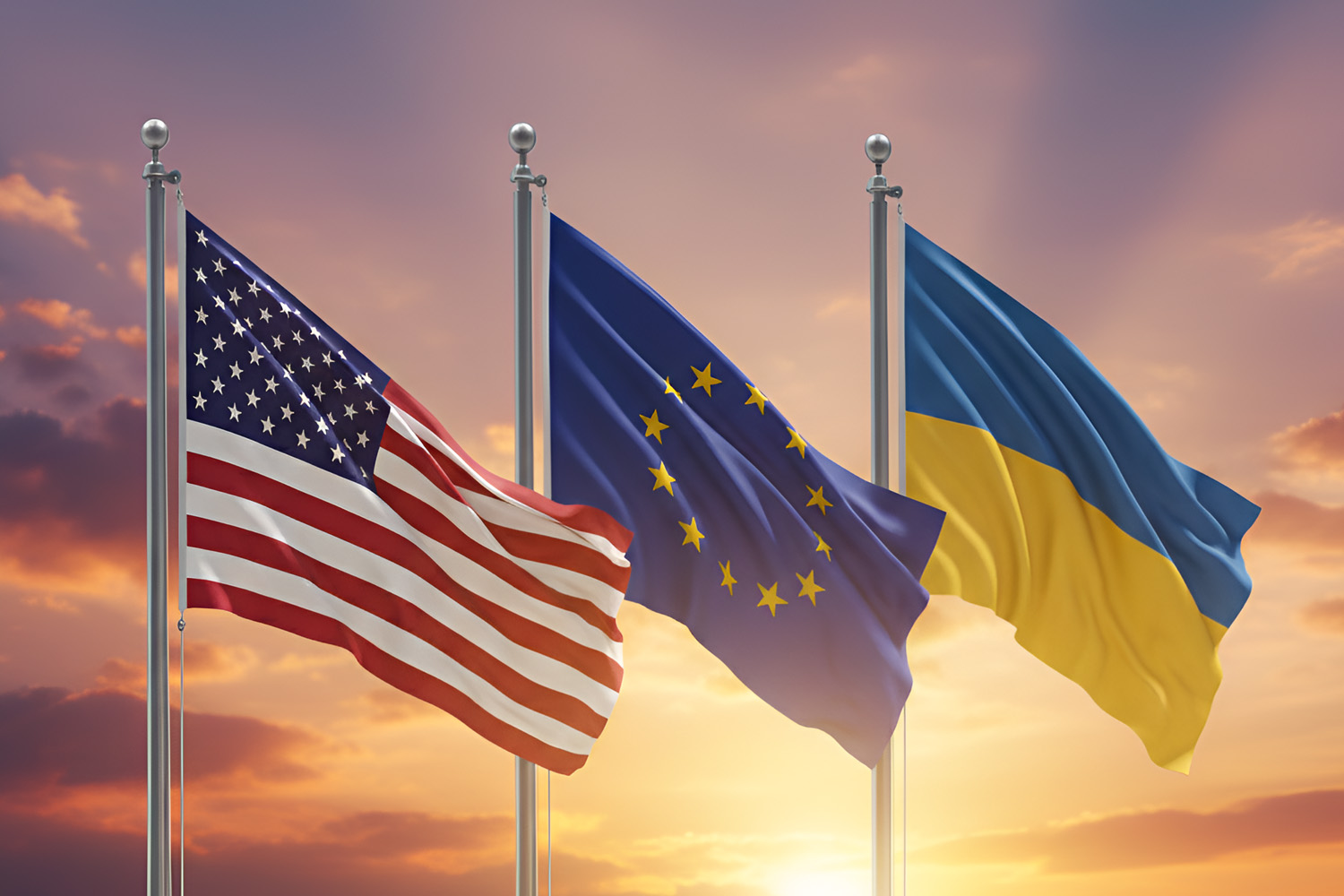
In November 2025 a draft peace framework widely reported as a U.S.-backed “28-point” plan for ending Russia’s war in Ukraine leaked into public view. The document – and the rapid diplomatic reactions it provoked across Kyiv, Washington and Europe – has dominated diplomatic headlines because it proposes a mix of security guarantees, territorial and constitutional changes, economic incentives and long-term reintegration measures that would reshape the post-war order in Europe. Below we summarise what is being reported, what European leaders offered in response, and the realistic prospects for the proposal becoming a lasting peace – especially from Ukraine’s perspective.
What the U.S. “28-point” plan says (key elements)
Media reporting and the draft seen by international news agencies show the plan covers four major buckets: a ceasefire/peace settlement, concrete security guarantees, economic and reconstruction arrangements, and long-term political/legal measures. Reported highlights include confirming Ukraine’s sovereignty in principle while simultaneously requiring Kyiv to constitutionally renounce NATO membership and accept limits on its armed forces; formalising frozen front lines in some regions and recognising Russia’s control over certain disputed territories (reported to include Crimea and parts of Donbas); creation of demilitarised zones and international monitoring; large Western reconstruction packages and preferred EU market access; and mechanisms intended to reintegrate Russia into global institutions. The draft also reportedly ties U.S. security guarantees to strict conditions (for example, they could be nullified if Kyiv were judged to attack Russian territory).
Why the plan is controversial
Many analysts and Kiev officials view parts of the draft as effectively rewarding Russia for seizing territory by force and removing Kyiv’s future security options – notably the explicit requirement for Ukraine to enshrine a permanent ban on NATO membership and caps on its military. Critics say those elements cross Ukraine’s red lines and would amount to a major loss of sovereign choice; supporters argue the text is a pragmatic effort to stop fighting quickly and deliver guarantees and reconstruction funding. Independent think-tanks and foreign-policy commentators have described the proposal as heavily tilted toward Russian demands and worry it could freeze in place territorial losses that Ukraine has not accepted.
What European leaders proposed in response
European capitals – led publicly by Britain, France and Germany (the so-called E3) and coordinated within the EU – prepared a detailed counter-proposal that takes the U.S. draft as a starting point but deletes or alters many of the most contentious items. The European text (released as a point-by-point response) stresses a firmer reaffirmation of Ukrainian sovereignty, insists negotiations should start from current lines of contact rather than automatic territorial recognition, and proposes different caps and safeguards on military measures. Separately, European leaders and allied states had already put forward complementary measures earlier in 2025: a coalition of about 26 nations pledged post-war security guarantees for Ukraine (including the prospect of international forces and other deterrent measures) – a commitment European capitals say would sit alongside any diplomatic settlement and help reassure Kyiv.
(Reporting on versions of the document has varied; U.S. officials themselves have at times described variants as “28 points or 26 points depending on the version,” reflecting active revision and negotiation.)
Where talks stand now (short term)
Following criticism from Kyiv and many European capitals, U.S. and Ukrainian officials have said they are working to “update and refine” the framework. Public statements indicate Washington and Kyiv held talks (including in Geneva) and that the U.S. was making adjustments to address European and Ukrainian concerns; European capitals responded with their own detailed countertext to shape the final language. But as of the latest public reporting the key sticking points remain territorial recognition, NATO membership and the scope/conditions of security guarantees.
Prospects: Is this a realistic plan to end the war in Ukraine’s favour?
Short answer: unlikely, at least in its leaked form.
- For Ukraine to accept: Any deal that entails permanent loss of territory Ukraine still controls, a constitutional ban on NATO membership, or sharp limits on its forces is politically and morally difficult for Kyiv to accept. Ukrainian leaders say they will negotiate but have repeatedly warned they will not accept terms that amount to capitulation. Acceptance would risk major domestic political backlash inside Ukraine.
- For Russia to accept: Moscow may prefer formal recognition of territorial gains but also wants guarantees and sanctions relief. A negotiated settlement would therefore require trade-offs – and Moscow’s demand for maximal territorial and legal guarantees complicates compromise.
- For the West to deliver guarantees: Europe and allied states have proposed security guarantees and an international mechanism of some sort, but delivering effective, long-term guarantees (forces, basing, intelligence cooperation) while stopping short of NATO membership is legally and politically complex.
- Implementation and enforcement: Even if a paper agreement were signed, verification, sequencing (who withdraws when, who gets reconstruction money and when) and enforcement would be enormously difficult. Many experts worry a prematurely signed deal that freezes the front could ossify an unjust territorial settlement and leave Ukraine vulnerable if guarantees fail.
In sum, while the draft marks a US attempt to push negotiations forward – and while European counter-proposals aim to make any settlement more acceptable to Kyiv – the core tensions (territory, security architecture, sequencing and enforcement) remain unresolved. That makes a durable, Ukraine-favouring settlement based on the leaked draft unlikely unless substantial and publicly credible security guarantees and territorial compromises acceptable to Kyiv are agreed and enacted – which would take time and extraordinary political will from many partners.
What to watch next
- Official text releases: whether Washington, Kyiv and Brussels publish agreed language and how that language treats NATO, borders and security guarantees.
- Concrete security guarantee commitments: which states sign on, what forces or monitoring they pledge, and the legal form of guarantees (treaty, coalition pact, UN mandate).
- Sequencing and verification details: who disarms/withdraws first, timing of reconstruction funds, and inspectors’ roles – these decide whether any deal is stable.
Bottom line
The leaked U.S. “28-point” plan catalysed urgent diplomacy because it addresses how to stop a destructive war – but its most disputed clauses conflict with core Ukrainian red lines and many European priorities. Europe’s counter-proposal and the pledge of allied guarantees show the Western camp is trying to rework the framework into something more acceptable to Kyiv. A real, lasting peace that favours Ukraine would require credible, enforceable security guarantees, major reconstruction funding, and a negotiated political settlement that preserves Ukraine’s sovereignty and acceptable territorial outcome – outcomes that are still, as yet, far from guaranteed.