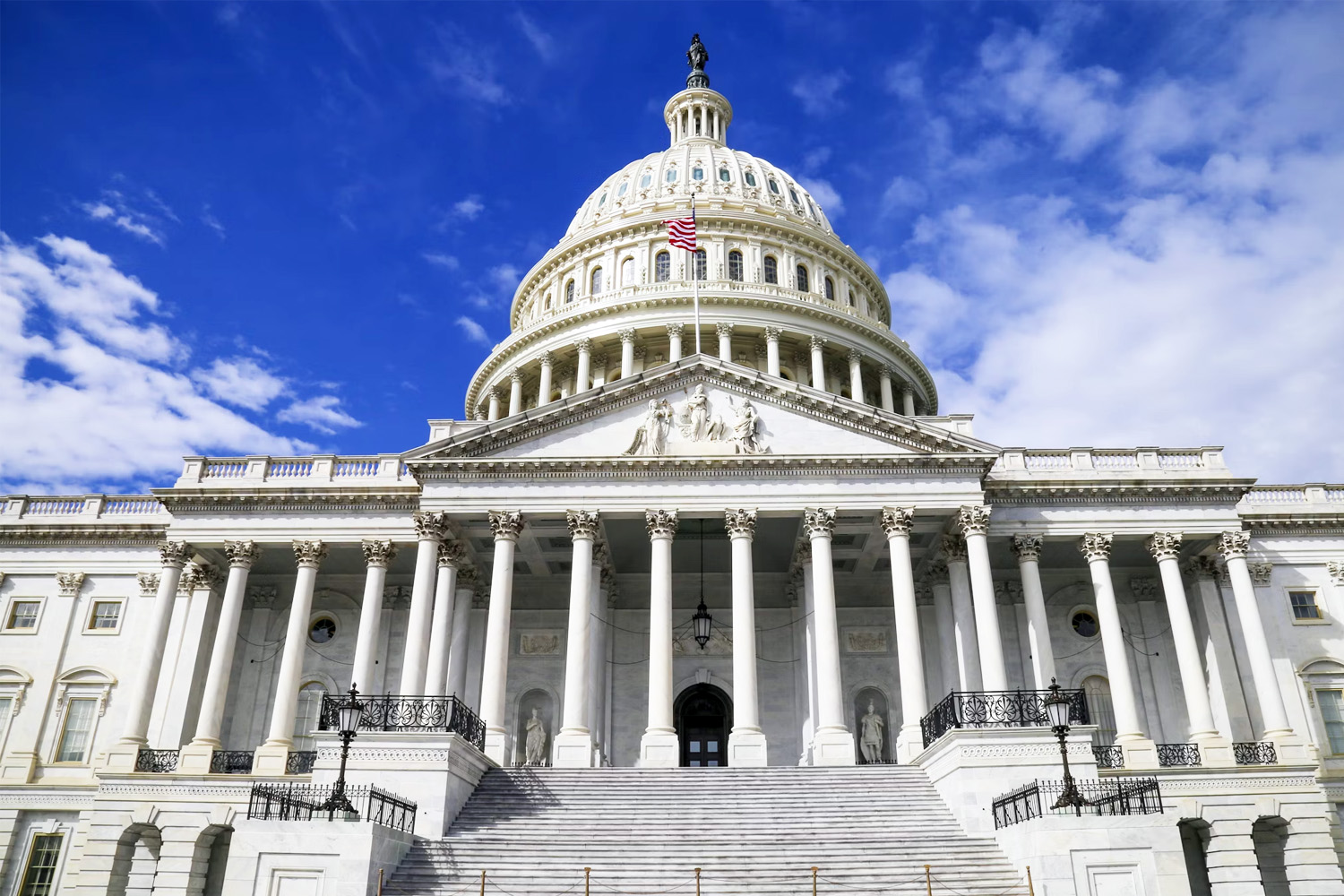
On 10 November 2025, the United States Senate took a major step toward ending the longest-running U.S. federal government shutdown in history by approving a compromise funding plan with a 60-40 vote margin. Eight moderate Democrats joined nearly all Senate Republicans to support the plan, paving the way to reopen government operations.
Key details of the deal
- The funding plan would extend government operations through 30 January 2026, allowing time for negotiation of longer-term appropriations.
- The agreement also reverses layoffs ordered by the Donald Trump administration during the shutdown and guarantees back-pay for federal employees who were furloughed or required to work without pay.
- Support for the deal came after closed-door negotiations involving Senate leaders and the White House, with the breakthrough vote finally clearing the procedural hurdle to move the legislation forward.
Political and policy implications
The deal exposed deep divisions within the Democratic Party: while eight Democrats broke ranks to support moving the bill, many others-including the Senate Democratic leader-voted against the measure, citing concerns that key issues such as healthcare tax-credits under the Affordable Care Act (ACA) were not adequately resolved.
Some conservatives and progressives criticised the compromise: California Governor Gavin Newsom labelled the move a “surrender” by Democrats.
What’s next?
Although the Senate vote marks a critical turning point, the measure still requires approval by the United States House of Representatives and the President’s signature before the shutdown officially ends.
In the meantime, federal agencies remain partially unfunded and many services disrupted, including food-aid programs and air-traffic staffing, which have already seen major impacts.
Why it matters
- The shutdown had entered its 40th day by the time of the vote, affecting hundreds of thousands of federal workers and millions of citizens relying on government services.
- Restoring funding is essential for resuming normal operations, reassuring markets and avoiding further economic damage from continued partial government closure.
- The deal underscores how a small group of moderate legislators from the majority party can tip major votes in U.S. Congress, particularly when a 60-vote threshold is required to overcome the Senate filibuster.
Conclusion
The 60-40 Senate vote on 10 November 2025 signals a turning point in the standoff that caused the longest U.S. federal government shutdown. While the deal does not yet address all outstanding policy issues-especially healthcare subsidies-it opens the pathway for federal agencies to reopen and critical services to resume. The next few days will determine whether the House and White House formally finalise and enact the agreement.