The global automotive industry has entered a period where major manufacturers are no longer pursuing the same objective.
Five years ago, nearly every company publicly prioritized rapid electrification. In 2026, strategies are diverging sharply.
Some manufacturers are chasing scale. Others are prioritizing profitability. Some are investing in software platforms, while luxury brands increasingly focus on exclusivity and margin expansion.
The result is a fragmented industry in which each major automaker is attempting to solve a different problem.
Understanding these strategies provides a clearer picture of where the global automotive market is heading than any individual vehicle launch.
BYD: Global Scale at Any Cost
Core Strategy:
Become the world’s largest automaker.
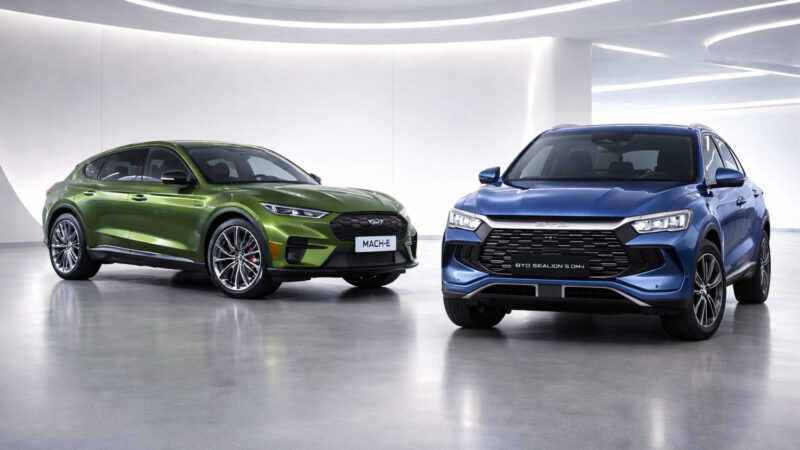
BYD’s objective is straightforward: maximize production scale and global market share.
The company continues expanding manufacturing capacity across Asia, Latin America, Europe, and the Middle East while maintaining aggressive pricing.
Key priorities:
- Increase global exports
- Expand overseas factories
- Protect battery leadership
- Gain market share before competitors consolidate
Unlike premium brands, BYD is willing to sacrifice margins to increase volume.
Its competitive advantage remains vertical integration, including batteries, electronics, and vehicle manufacturing.
What BYD Is Betting On
That cost leadership will matter more than brand prestige in the EV era.
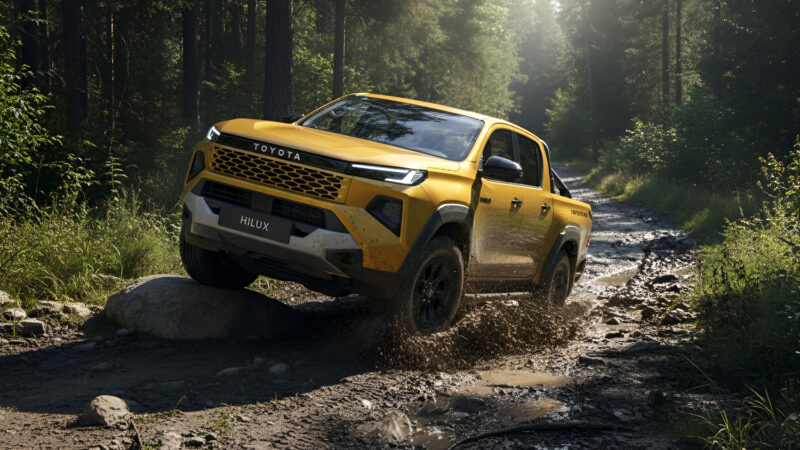
Toyota: Defending Profitability During the EV Transition
Core Strategy:
Remain profitable while competitors overspend.
Toyota has come under pressure from declining operating profit, but its strategy remains largely unchanged.
The company refuses to become dependent on a single technology pathway.
Key priorities:
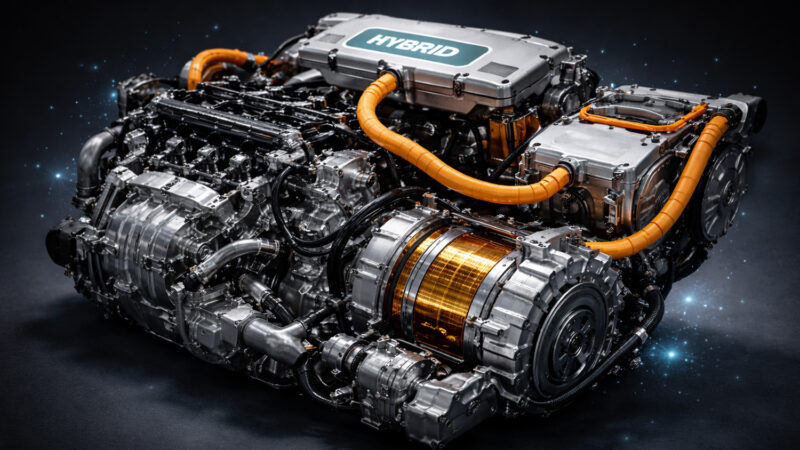
- Expand hybrid production
- Develop next-generation batteries
- Improve manufacturing efficiency
- Maintain leadership in reliability
Toyota continues investing in EVs but refuses to abandon hybrids.
What Toyota Is Betting On
That global consumers will adopt multiple technologies rather than exclusively battery-electric vehicles.
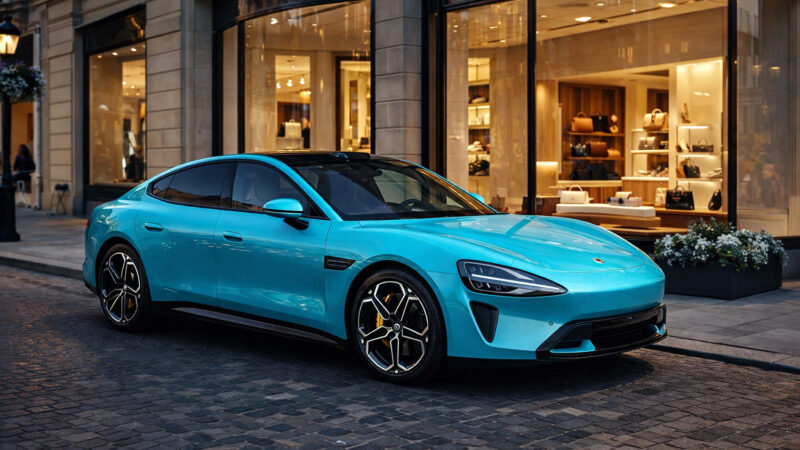
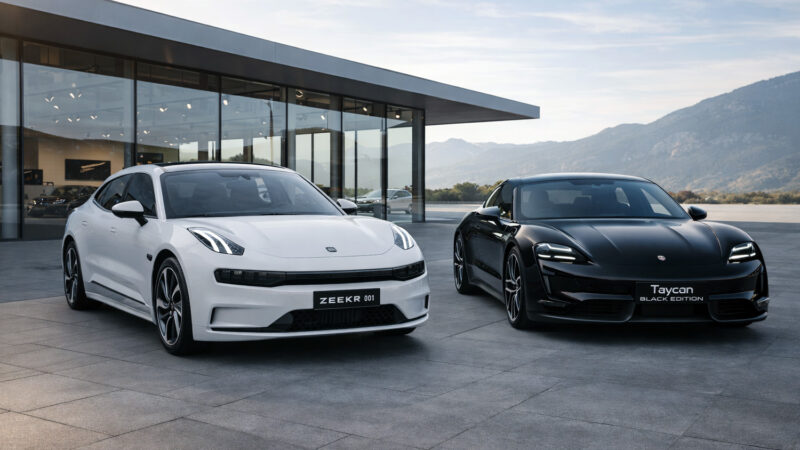
Porsche: Fewer Cars, Higher Prices
Core Strategy:
Become more exclusive and more profitable.
Porsche is increasingly prioritizing margins over volume.
Management has repeatedly emphasized that brand value matters more than unit sales.
Key priorities:
- Reduce dependence on volume growth
- Increase customization options
- Expand ultra-premium models
- Maintain pricing power
The company is effectively moving closer to luxury-goods economics.
What Porsche Is Betting On
That scarcity creates stronger profitability than mass production.
Ferrari: Protecting Exclusivity in the Electric Age
Core Strategy:
Preserve luxury margins while introducing new technologies.
Ferrari remains focused on limiting production and protecting demand.
Its challenge is introducing electrification without damaging brand identity.
Key priorities:
- Maintain waiting lists
- Preserve high margins
- Expand personalization programs
- Launch electrified models selectively
What Ferrari Is Betting On
That brand prestige will remain more important than drivetrain technology.
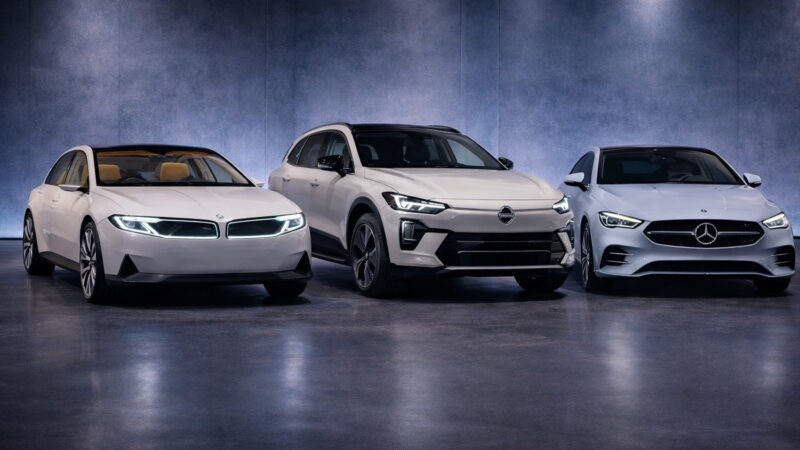
Mercedes-Benz: Luxury Over Volume
Core Strategy:
Sell fewer vehicles but generate more profit per vehicle.
Mercedes has shifted away from mass-market ambitions.
The company increasingly concentrates on high-end customers.
Key priorities:
- Premium vehicle mix
- Software monetization
- Autonomous-driving technology
- Luxury EV development
What Mercedes Is Betting On
That premium customers will continue spending despite economic uncertainty.
BMW: Technology and Flexibility
Core Strategy:
Build one platform for multiple futures.
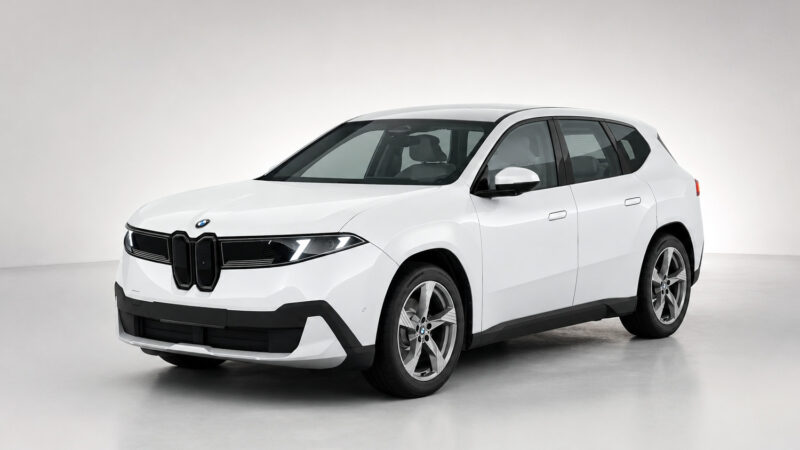
BMW’s Neue Klasse project is central to its future.
The company wants flexibility rather than dependence on a single technology.
Key priorities:
- New EV architecture
- Battery efficiency
- Software integration
- Manufacturing flexibility
What BMW Is Betting On
That adaptability will outperform specialization.
Audi: Technology Repositioning
Core Strategy:
Rebuild competitiveness through software and premium technology.
Audi faces increasing pressure from both German rivals and Chinese manufacturers.
Key priorities:
- New digital platforms
- Improved software reliability
- Premium EV lineup
- Cost reductions
What Audi Is Betting On
That technology leadership can restore differentiation.
General Motors: Automation and Cost Discipline
Core Strategy:
Reduce costs through automation and AI.
Recent workforce reductions highlight GM’s focus on productivity.
Key priorities:
- Robotics deployment
- AI-assisted engineering
- EV platform optimization
- North American profitability
What GM Is Betting On
That efficiency gains will offset slower EV adoption.
Stellantis: Regional Manufacturing Power
Core Strategy:
Strengthen industrial presence while cutting costs.
Investment in France illustrates Stellantis’ emphasis on production resilience.
Key priorities:
- European manufacturing
- Platform consolidation
- Battery investments
- Cost efficiency
What Stellantis Is Betting On
That scale across multiple brands can generate lasting cost advantages.
Volkswagen Group: Recovering Efficiency
Core Strategy:
Reduce complexity and improve competitiveness.
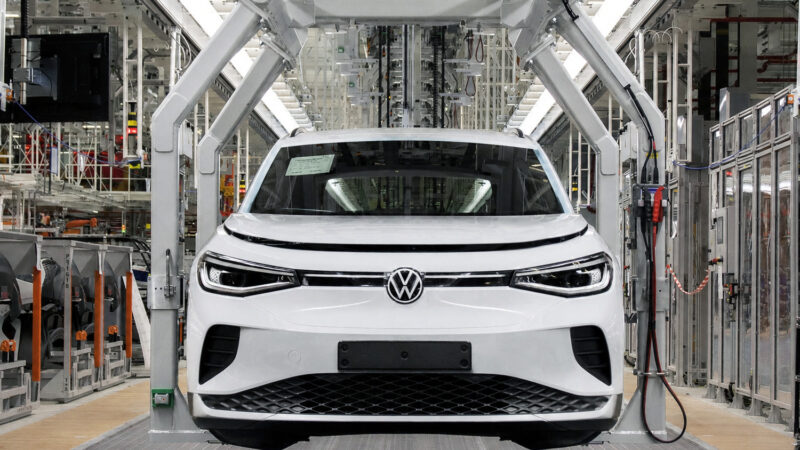
Volkswagen remains one of the world’s largest automakers but faces growing pressure from Chinese competitors.
Key priorities:
- Cost reductions
- Software improvement
- EV profitability
- China strategy reset
What Volkswagen Is Betting On
That operational restructuring can restore growth.
Hyundai-Kia: Balanced Expansion
Core Strategy:
Grow globally without sacrificing profitability.
The Korean group has become one of the industry’s strongest performers.
Key priorities:
- EV expansion
- Hybrid growth
- Manufacturing localization
- Technology partnerships
What Hyundai-Kia Is Betting On
That balanced execution beats aggressive disruption.
Conclusion
The automotive industry in 2026 is no longer moving in a single direction.
BYD seeks dominance through scale.
Toyota prioritizes resilience.
Porsche and Ferrari pursue exclusivity.
Mercedes focuses on luxury margins.
BMW emphasizes flexibility.
GM is betting on automation.
Volkswagen is restructuring.
Stellantis is consolidating.
The industry’s future will not be decided by one technology alone. Instead, it will be determined by which strategic vision proves most resilient as competition intensifies and global automotive demand evolves.