The New Wave of Automotive Innovation
The automotive industry in 2026 is no longer in a transitional phase-it is entering a period of structural transformation. Electrification, once treated as an alternative powertrain strategy, is now driving a complete rethinking of vehicle architecture, performance philosophy, and user experience.
What distinguishes the current moment is not simply the number of new electric models entering the market, but the depth of innovation behind them. Carmakers are moving away from adapting legacy platforms and are instead developing dedicated, scalable architectures, integrating software at the core of the vehicle, and redefining performance beyond traditional metrics.
The latest generation of vehicles released and unveiled in recent weeks reflects this shift clearly. From mass-market electric sedans to hypercars and performance EVs, each model demonstrates a specific direction in which the industry is evolving.
1. BMW i3 – A Foundational Shift for BMW
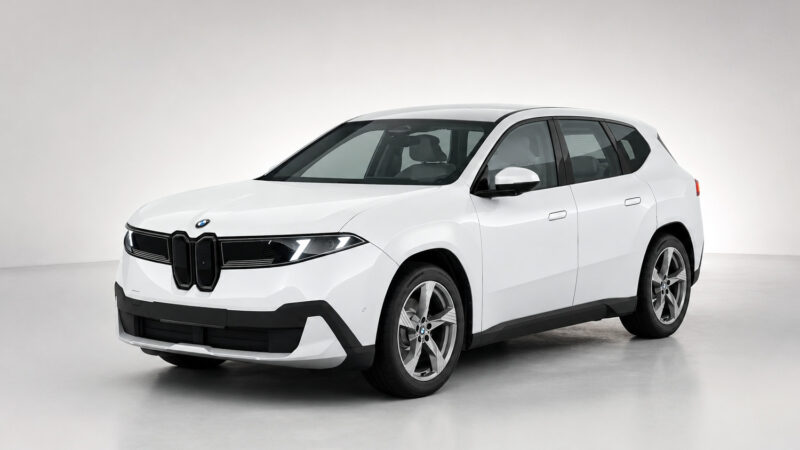
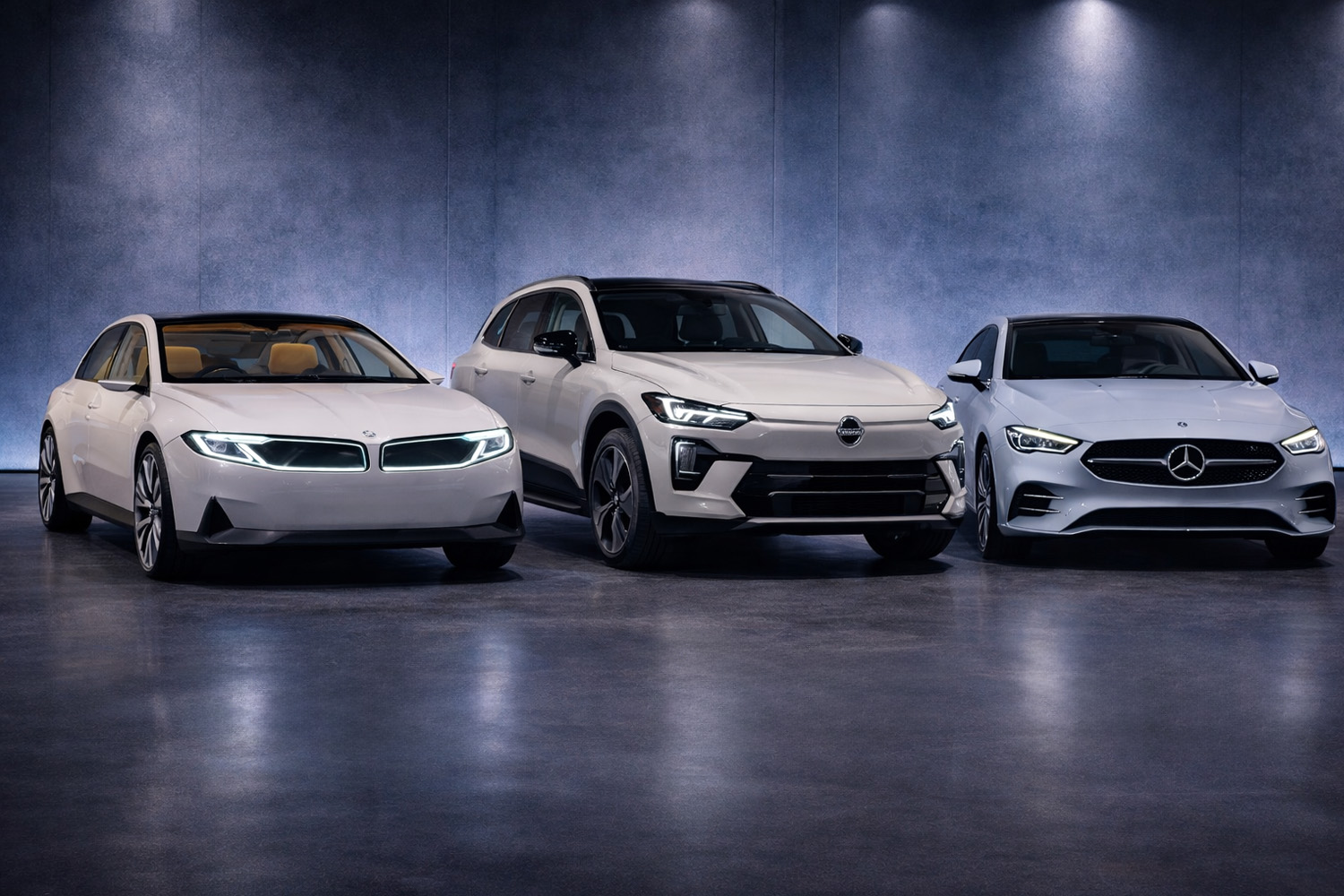
The newly unveiled BMW i3 (Neue Klasse) is arguably the most strategically important vehicle in BMW’s modern history. Rather than being a standalone model, it represents the beginning of an entirely new product ecosystem.
Key characteristics:
- Built on BMW’s Neue Klasse dedicated EV platform
- Estimated range of up to ~900 km (WLTP)
- Fast charging capability targeting 10–80% in ~20–25 minutes
- Completely redesigned minimalist interior and digital interface
- Advanced software architecture enabling continuous updates
What sets it apart:
Unlike previous BMW EVs, which were partially derived from combustion-based platforms, the Neue Klasse architecture is purpose-built from the ground up. This allows for better weight distribution, improved efficiency, and a more flexible interior layout.
The design language also marks a clear departure, focusing on simplicity, aerodynamics, and digital integration, rather than traditional luxury cues.
Estimated price:
- Expected starting price: ~€55,000–€65,000 (depending on configuration and market)
Why it matters:
This model is not just a new entry-it is the technical and strategic foundation for BMW’s future lineup, comparable in importance to platform resets seen at major turning points in the industry.
2. Volvo EX60 – Redefining EV Architecture
The Volvo EX60 represents a critical evolution for Volvo as it transitions its core lineup to electric vehicles. Positioned as a successor to one of its best-selling models, the EX60 introduces a new generation of structural engineering.
Key characteristics:
- Built on Volvo’s SPA3 platform
- Production starting April 2026
- Incorporates cell-to-body battery integration
- Focus on safety, sustainability, and efficiency
What sets it apart:
The use of cell-to-body technology is particularly significant. By integrating battery cells directly into the vehicle structure, Volvo achieves:
- Lower overall weight
- Increased rigidity
- Improved energy efficiency
This approach reduces redundancy in vehicle design and signals a move toward fully integrated EV construction.
Estimated price:
- Expected range: ~€60,000–€75,000
Why it matters:
The EX60 shows that next-generation EV engineering is moving beyond luxury flagships and into high-volume, mainstream segments, where it can have the greatest industry impact.
3. Mercedes-Benz CLA Electric – Efficiency as a Core Metric
The electric Mercedes-Benz CLA represents a different but equally important direction: maximizing efficiency rather than performance alone.
Key characteristics:
- Range of up to ~790 km
- Built on a dedicated EV platform
- Advanced aerodynamics and energy management systems
- Focus on real-world usability and low consumption
What sets it apart:
Mercedes is prioritizing energy efficiency per kilometer, treating it as a primary performance metric. This includes:
- Optimized drivetrain efficiency
- Reduced drag coefficients
- Lightweight materials
The result is a vehicle designed to deliver long-distance usability comparable to diesel vehicles, historically known for their efficiency.
Estimated price:
- Expected starting price: ~€50,000–€60,000
Why it matters:
This model reflects a shift in how EVs are evaluated-moving from acceleration figures to practical, everyday efficiency and range reliability.
4. Zenvo Aurora – The Evolution of Combustion Extremes
While electrification dominates the industry narrative, the Zenvo Aurora demonstrates that internal combustion technology continues to evolve at the highest levels.
Key characteristics:
- V12-powered hypercar
- Estimated price around $2.5–$3 million
- Developed for both track performance and road usability
- Includes innovative features such as a selectable “quiet mode”
What sets it apart:
The Aurora is not designed for mass production or efficiency. Instead, it represents:
- The pinnacle of combustion engineering
- A focus on driver emotion and exclusivity
- A blend of extreme performance with unexpected usability features
Why it matters:
The existence of such vehicles suggests that combustion engines are transitioning into a specialized, high-end niche, rather than disappearing entirely.
5. Hyundai IONIQ 5 N – Reintroducing Emotion to EVs
The Hyundai IONIQ 5 N highlights a critical challenge for electric vehicles: how to maintain driver engagement and emotional appeal.
Key characteristics:
- High-performance electric drivetrain
- Simulated engine sounds and gear shifts
- Performance-oriented chassis tuning
- Track-capable configuration
What sets it apart:
Unlike most EVs, which emphasize smoothness and silence, the IONIQ 5 N intentionally introduces:
- Artificial auditory feedback
- Simulated mechanical interaction
This creates a driving experience closer to traditional sports cars, addressing one of the most common criticisms of EVs.
Estimated price:
- Approximate price: ~$65,000–$75,000
Why it matters:
This model signals a broader trend: EVs are evolving beyond technical superiority to address emotional and experiential dimensions of driving.
6. SAIC Z7 – China’s Move Upmarket
The SAIC Z7 represents the rapid advancement of Chinese automakers into the premium EV segment.
Key characteristics:
- Large electric sedan (with wagon variant)
- Range approaching ~900 km
- Advanced software ecosystem integration
- Focus on connectivity and digital services
What sets it apart:
Chinese manufacturers are leveraging their strengths in:
- Battery technology
- Software development
- Rapid production scaling
The Z7 reflects a shift from cost-focused vehicles to technology-driven premium offerings.
Estimated price:
- Expected range: ~$40,000–$55,000 (depending on market)
Why it matters:
This model illustrates increasing global competition and the growing influence of Chinese brands in high-value automotive segments.
7. Tesla Roadster – Redefining Performance Limits
The upcoming Tesla Roadster remains one of the most anticipated vehicles, aiming to push the boundaries of electric performance.
Key characteristics:
- Target acceleration: 0–100 km/h in under 2 seconds
- Advanced electric drivetrain technology
- Focus on extreme speed and performance
What sets it apart:
The Roadster is positioned not just as a sports car, but as a technology showcase, demonstrating the upper limits of what EVs can achieve.
Estimated price:
- Previously announced starting price: ~$200,000
Why it matters:
If delivered as specified, the Roadster could redefine performance expectations and reinforce the role of EVs at the highest levels of automotive engineering.
A Defining Moment for the Automotive Industry
The latest generation of vehicles reveals a clear and structured transformation of the automotive landscape. Several key patterns emerge:
- Dedicated EV platforms are replacing transitional architectures
- Efficiency and range are becoming central competitive factors
- Performance is diversifying, with both electric and combustion technologies evolving
- Global competition is intensifying, particularly with the rise of Chinese manufacturers
Perhaps most importantly, vehicles are increasingly defined by integration-of hardware, software, and user experience. The models introduced in early 2026 are not isolated innovations, but part of a broader shift toward a more technologically unified and strategically focused industry.
In this context, the significance of these vehicles lies not only in their individual features, but in how they collectively signal the next phase of automotive development.
Related Analysis:
Top 50 Electric Car Brands And Best EV Models
Chinese Automakers Surge, Western Brands Lose Ground in 2026