The Growing Conflict Between Heritage and Reinvention
Few industries depend on emotional attachment as heavily as the automotive sector. Consumers do not simply buy transportation; they buy identity, status, engineering philosophy, and often decades of accumulated brand mythology. For this reason, automotive design carries extraordinary weight. A BMW is expected to look like a BMW. A Ferrari is expected to look like a Ferrari. A Porsche owner expects to recognize a Porsche from hundreds of meters away.
Yet over the past two decades, some of the world’s most recognizable automotive brands have repeatedly introduced controversial designs that generated intense criticism from their most loyal customers.
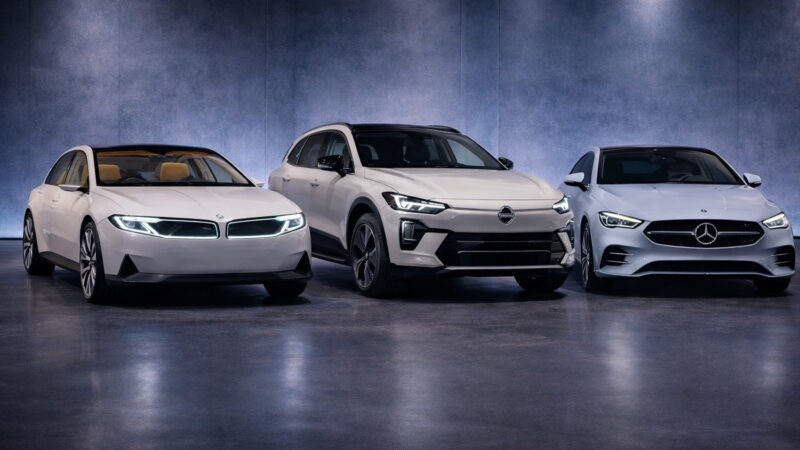
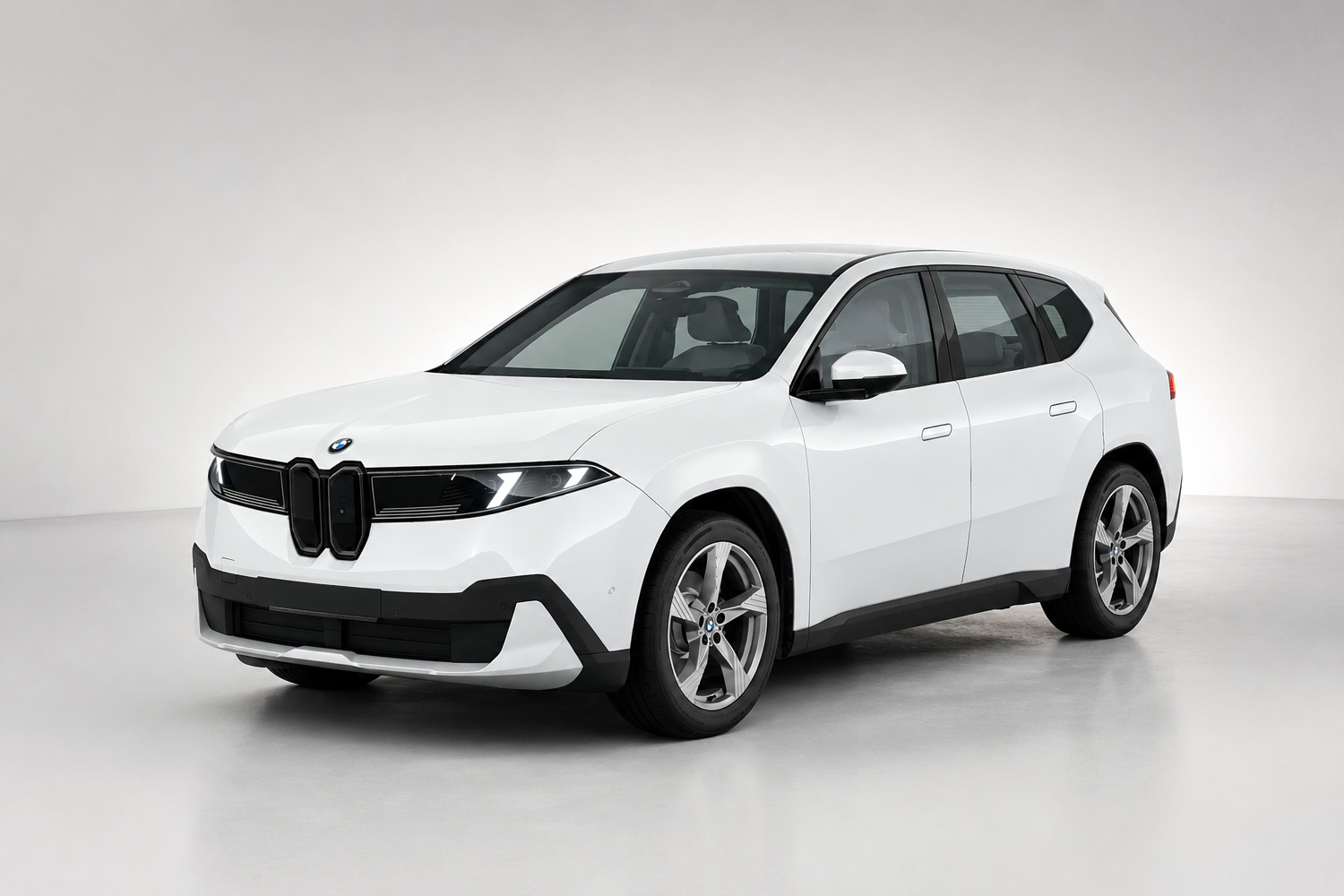
BMW’s E60 5 Series shocked traditionalists when it debuted in 2003. The G82-generation M4 divided enthusiasts with its oversized vertical kidney grille. More recently, BMW’s new-generation electric vehicles, including the iX and the Neue Klasse-inspired design language reflected in the upcoming iX3, have reignited debate about whether the company is abandoning the visual identity that made it famous.
The phenomenon is not limited to BMW. Ferrari faced criticism for certain modern design directions, including reactions surrounding the 2026 Ferrari lineup. Jaguar’s radical shift toward an all-electric future has sparked questions about whether the brand is sacrificing its historical character. Mercedes-Benz has faced criticism over the increasingly rounded styling of some EQ electric models, while brands such as Hyundai, Lexus, and even Porsche have occasionally encountered resistance when introducing dramatic visual changes.
The question is not merely aesthetic. It reveals deeper transformations occurring throughout the automotive industry. The apparent abandonment of traditional design values often reflects fundamental changes in engineering, regulation, technology, and business strategy.
The controversy surrounding modern vehicle design is therefore less about styling alone and more about the future of mobility itself.
Why Design Stability Matters to Automotive Brands
For decades, successful automotive brands built visual consistency because consistency created recognition.
BMW developed its identity through several recurring elements:
- Twin kidney grilles
- Four-headlight front signatures
- Long hood proportions
- Rear-wheel-drive stance
- Driver-focused cockpit architecture
Similarly, Porsche maintained the silhouette established by the 911 for more than half a century. Ferrari cultivated a visual language emphasizing low-slung proportions, muscular rear fenders, and racing-inspired aerodynamics.
These design elements became brand assets as valuable as patents or manufacturing expertise.
Consumers often associate visual consistency with engineering consistency. When a design changes too dramatically, customers may interpret the change as a loss of brand identity-even when the underlying engineering remains excellent.
This explains why design controversies often trigger stronger emotional reactions than discussions about powertrains or chassis technology.
BMW: The Most Famous Example of Design Rebellion
BMW provides perhaps the clearest case study.
The E60 Revolution
When the BMW E60 5 Series debuted under design chief Christopher Bangle, it represented a dramatic departure from previous generations.
The car introduced:
- Flame-surfacing bodywork
- Unconventional headlamp shapes
- More aggressive proportions
- A highly controversial rear-end design
Traditional BMW enthusiasts viewed the vehicle as a betrayal of established design principles.
However, history later softened perceptions. Many critics eventually acknowledged that the E60 anticipated broader industry trends and helped modernize BMW’s image.
This demonstrates an important reality: controversial designs are not necessarily unsuccessful designs.
Sometimes they are simply ahead of consumer expectations.
The G82 M4 and the Enlarged Kidney Grille
The next major controversy emerged with the G82-generation BMW M4.
The dramatically enlarged vertical grille generated immediate backlash.
Critics argued that:
- The proportions appeared exaggerated
- The grille dominated the front fascia
- Traditional BMW balance was lost
Supporters countered that:
- The design created stronger differentiation
- Modern luxury markets increasingly reward visual boldness
- Younger consumers often preferred more aggressive styling
The debate highlighted a growing divide between enthusiast communities and broader global markets.
BMW was not designing solely for long-time enthusiasts. It was designing for China, North America, the Middle East, and emerging luxury markets where bold visual statements increasingly influence purchasing decisions.
Why Electric Vehicles Are Forcing Design Changes
The transition to electric vehicles may be the single biggest reason traditional automotive design is changing.
Internal combustion vehicles impose certain engineering requirements:
- Large engine bays
- Cooling systems
- Air intakes
- Transmission tunnels
- Exhaust packaging
Electric vehicles eliminate or reduce many of these constraints.
As a result, designers gain unprecedented freedom.
This freedom sounds beneficial, but it creates a challenge.
Many iconic design features originally evolved because of engineering necessity. Once those necessities disappear, designers must decide whether to preserve historical elements or pursue entirely new forms.
BMW’s kidney grille illustrates this dilemma perfectly.
Originally, the grille served a practical cooling function.
Modern EVs require significantly less airflow.
The grille is therefore becoming a symbolic design feature rather than a functional engineering component.
Designers face a difficult question:
Should they preserve the traditional grille even when it serves little technical purpose, or should they redefine the brand’s appearance for the electric era?
There is no universally accepted answer.
The Regulatory Pressure Few Consumers Notice
Vehicle design is increasingly influenced by regulations rather than pure artistic vision.
Modern vehicles must satisfy requirements involving:
- Pedestrian safety
- Crash protection
- Battery protection
- Aerodynamic efficiency
- Emissions reduction
- Energy consumption
These constraints significantly influence vehicle proportions.
For example, pedestrian safety regulations often require higher hood structures than those seen on sports sedans from the 1990s.
Battery-electric vehicles typically require thicker floor structures to accommodate battery packs.
Aerodynamic optimization encourages smoother body surfaces and reduced visual complexity.
Many enthusiasts criticize modern cars for looking larger, heavier, and more generic than older vehicles.
In many cases, these visual characteristics are direct consequences of regulatory requirements rather than design incompetence.
The Rise of China and Global Market Influence
Another major force reshaping automotive design is the changing geography of demand.
Twenty years ago, European and North American consumers largely dictated premium vehicle design.
Today, China is among the most important automotive markets in the world.
Chinese luxury buyers often display different aesthetic preferences than traditional European enthusiasts.
Research consistently indicates stronger demand for:
- Larger visual statements
- Distinctive front-end treatments
- Advanced lighting signatures
- Technology-focused interiors
Manufacturers increasingly optimize products for global demand rather than satisfying a narrow enthusiast audience.
This explains why some controversial design decisions continue despite vocal criticism on enthusiast forums.
The online automotive community is influential but does not necessarily represent the largest customer base.
Other High-Profile Design Experiments
Mercedes-Benz EQ Series
Mercedes encountered criticism when introducing several EQ electric models.
Many consumers argued that the highly aerodynamic “one-bow” shape made the vehicles appear less distinctive than traditional Mercedes sedans.
The criticism reflected a broader challenge facing EV manufacturers.
Aerodynamics significantly affect electric driving range.
As a result, designers increasingly converge toward similar solutions.
The danger is that engineering optimization can reduce visual differentiation.
Jaguar’s Reinvention
Jaguar’s transition toward an ultra-premium electric future represents one of the industry’s most radical rebranding efforts.
The company is attempting to distance itself from decades of declining sales by reinventing both its design language and brand identity.
Such transformations carry enormous risk.
If the change is too conservative, consumers may ignore it.
If the change is too radical, loyal customers may feel abandoned.
Lexus and the Spindle Grille
Lexus faced years of criticism after introducing its spindle grille design.
Initially mocked by many enthusiasts, the design eventually became one of the industry’s most recognizable visual signatures.
This example illustrates how controversial design can ultimately strengthen brand identity.
Why Fans Often Reject Change Initially
Psychology plays a major role in design controversies.
Consumers tend to develop strong attachments to familiar visual patterns.
This phenomenon is known as the “mere exposure effect.”
People generally prefer designs they have seen repeatedly.
When manufacturers introduce dramatic changes, customers compare the new product not to competitors but to cherished memories.
A new BMW is not judged against rival luxury sedans.
It is judged against decades of beloved BMWs.
That comparison creates an extraordinarily difficult standard.
History shows that many vehicles initially criticized later gain appreciation.
Examples include:
- BMW E60
- Porsche 996
- Lexus spindle-grille models
- Various generations of Mercedes-Benz S-Class
Not every controversial design is ultimately vindicated, but consumer resistance alone does not prove failure.
The Software Era Is Changing Automotive Priorities
Modern vehicles increasingly compete through software rather than styling alone.
Manufacturers now invest heavily in:
- Artificial intelligence systems
- Digital cockpits
- Advanced driver-assistance systems
- Connectivity platforms
- Over-the-air updates
As software becomes a larger component of vehicle value, traditional design priorities may shift.
Future consumers may care less about grille shapes and more about:
- User experience
- Autonomous driving capabilities
- AI-assisted functions
- Digital ecosystems
This transformation is similar to what occurred in the smartphone industry, where software eventually became as important as hardware design.
The Strategic Risk of Abandoning Heritage
Despite the pressures for change, abandoning brand heritage remains dangerous.
Brands derive value from continuity.
Porsche provides perhaps the strongest example.
The 911 has evolved dramatically in engineering terms while preserving its core visual identity.
This balance between innovation and continuity has helped maintain extraordinary brand loyalty.
Manufacturers that move too far from their established identities risk weakening the emotional connections that distinguish them from competitors.
In an era when EV platforms increasingly share similar architectures, design heritage may become even more important as a source of differentiation.
Conclusion: The Real Battle Is Not About Design
The controversy surrounding BMW, Ferrari, Mercedes-Benz, Jaguar, and other manufacturers is often presented as a debate about aesthetics.
In reality, it reflects a much deeper conflict.
The automotive industry is simultaneously navigating electrification, software-defined vehicles, autonomous technologies, stricter regulations, changing global markets, and evolving consumer expectations.
Design is simply where these tensions become visible.
When enthusiasts criticize a new grille, headlight shape, or body proportion, they are often reacting to broader industry transformations rather than the styling itself.
Manufacturers face a difficult balancing act. They must preserve the emotional identity that built their brands while adapting to technologies and market conditions that did not exist when those identities were created.
Some experiments will fail. Others will eventually become accepted. A few may even redefine entire brands.
The challenge for automakers is not choosing between tradition and innovation. It is finding a way to make innovation feel like tradition’s natural successor.
The brands that succeed over the next decade will likely be those that can modernize without becoming unrecognizable-proving that heritage and transformation do not have to be mutually exclusive.