BMW at a Turning Point: What Milan Nedeljković’s Leadership Could Mean
The automotive industry is entering one of the most structurally disruptive periods in its history. Electrification, software-defined vehicles, geopolitical trade tensions, Chinese competition, tightening emissions regulation, and slowing premium-car demand are forcing legacy manufacturers into uncomfortable transitions. Against this backdrop, leadership changes matter more than usual.
If Milan Nedeljković takes the helm of BMW, he would inherit not merely a luxury automaker but one of Germany’s most strategically important industrial companies at a moment of extraordinary pressure.
BMW is navigating multiple transitions simultaneously: defending its premium status in China, preserving profitability during the electric shift, maintaining relevance in combustion technology under European regulation, and competing against software-centric rivals increasingly redefining consumer expectations.
The leadership challenge, therefore, is not simply about launching better cars. It is about redesigning BMW’s industrial logic without undermining the brand’s historic identity.
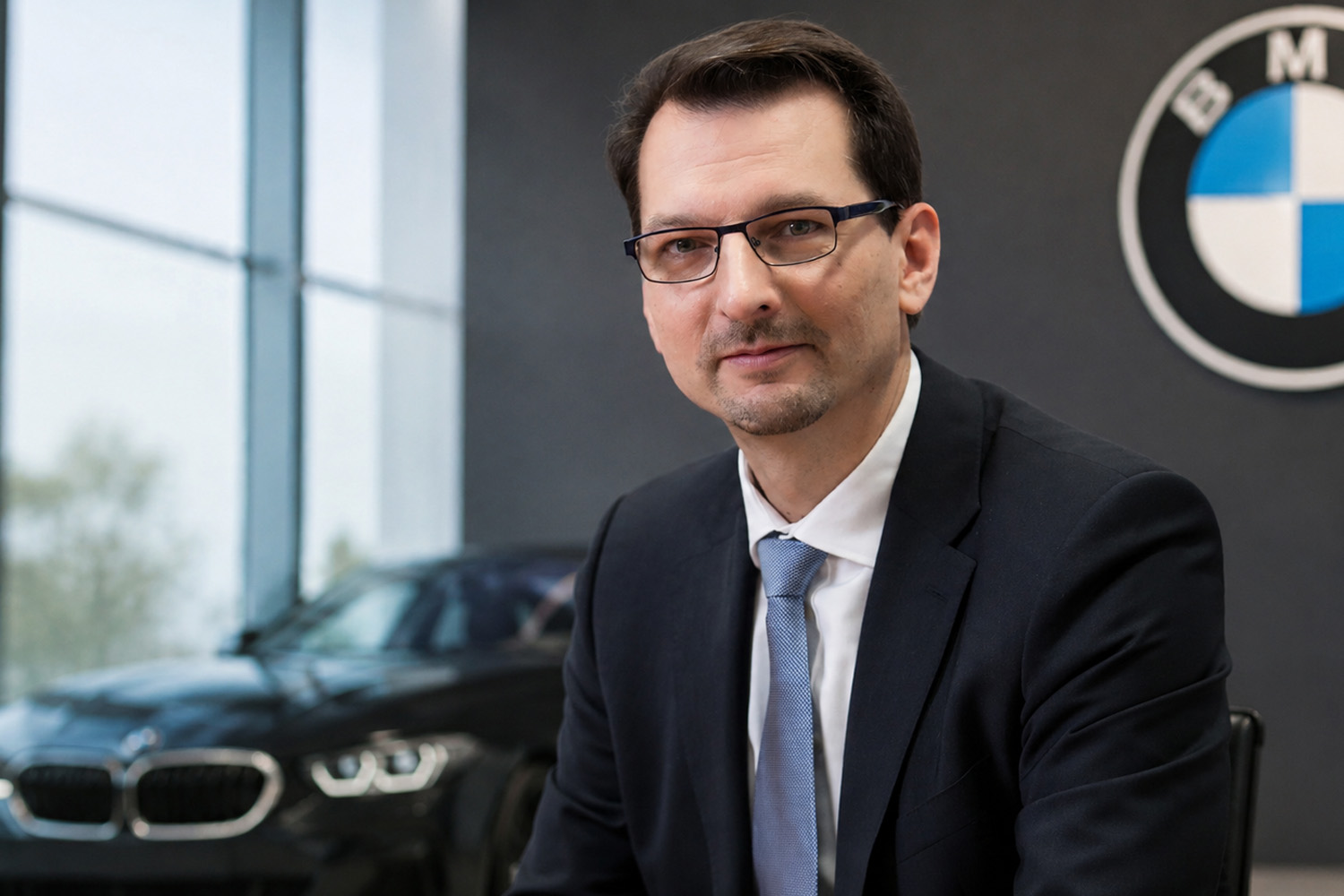
Who Is Milan Nedeljković?
Milan Nedeljković is not an outsider parachuted into the company during crisis. He is a long-serving BMW executive whose career has been shaped by manufacturing, production systems, and industrial efficiency.
Born in Germany to Serbian roots, Nedeljković studied mechanical engineering before beginning a career that would become deeply tied to BMW’s industrial network. Over decades, he held management roles across production planning and manufacturing operations, eventually becoming a member of BMW AG’s Board of Management responsible for production.
That position placed him at the center of one of BMW’s most important strategic transformations: redesigning manufacturing systems for an era in which combustion, hybrid, and fully electric vehicles must coexist.
Unlike executives associated primarily with finance or branding, Nedeljković’s reputation inside BMW has largely been built around industrial execution.
This matters because modern automotive competition increasingly depends not just on vehicle engineering, but manufacturing adaptability.
Chinese automakers have dramatically reduced production costs through vertically integrated supply chains and faster development cycles. Tesla demonstrated how manufacturing efficiency itself can become a competitive advantage. European manufacturers, by contrast, often struggle with cost structures, legacy supply networks, and slower product timelines.
BMW’s future success may therefore depend as much on factory transformation as vehicle innovation.
Oliver Zipse’s Legacy: Stability Through Disruption
Any assessment of BMW’s future must begin with Oliver Zipse’s tenure.
Zipse led BMW during one of the industry’s most turbulent periods: the pandemic supply shock, semiconductor shortages, inflation, energy disruptions, accelerating electrification, and mounting geopolitical fragmentation.
Perhaps his most consequential achievement was resisting an all-or-nothing electric strategy.
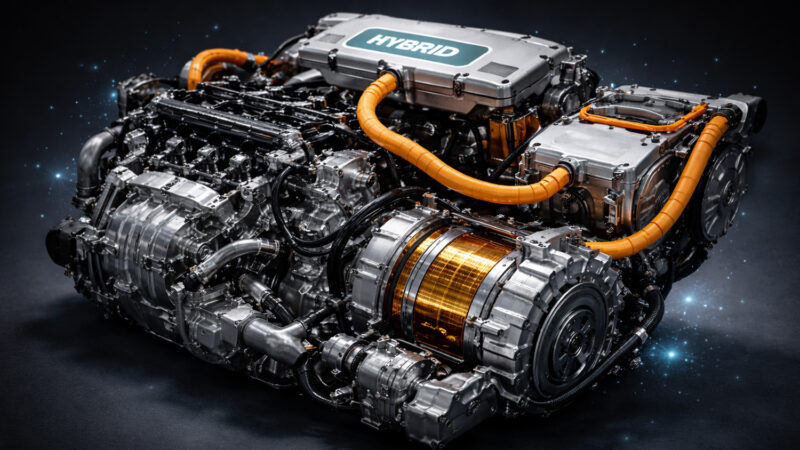
While several rivals aggressively committed to rapid EV-only roadmaps, BMW pursued what executives called a “technology-open” approach. Instead of abandoning internal combustion engines immediately, the company continued investing in gasoline, diesel, plug-in hybrids, and battery-electric vehicles simultaneously.
Critics initially described this strategy as conservative. Yet market realities increasingly complicated the assumption that full electrification would proceed uniformly across regions.
Demand for electric vehicles slowed in several major markets after early growth waves. Charging infrastructure remained uneven. Consumer affordability concerns increased. Governments softened or reconsidered portions of EV timelines.
BMW’s diversified drivetrain strategy now appears more pragmatic than reactionary.
Under Zipse, BMW also significantly expanded electric vehicle sales while protecting profitability-something many competitors struggled to achieve.
Unlike several rivals that sacrificed margins to scale EV adoption, BMW maintained strong premium pricing and comparatively healthy earnings.
Another major achievement involved production flexibility.
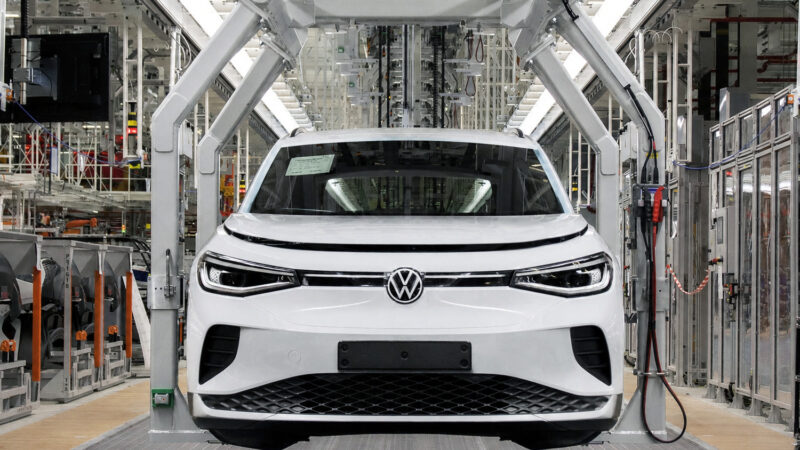
BMW developed manufacturing systems capable of building combustion, hybrid, and electric vehicles on the same assembly lines. This reduced risk in an unpredictable market where consumer preferences remain fluid.
The logic was simple but strategically important: avoid overcommitting to a single technological outcome too early.
China: BMW’s Biggest Strategic Problem
No challenge facing BMW is more important than China.
For years, China represented the growth engine of Germany’s luxury carmakers. Consumers enthusiastically embraced European premium brands, and profits from the Chinese market became essential to business performance.
That environment has changed dramatically.
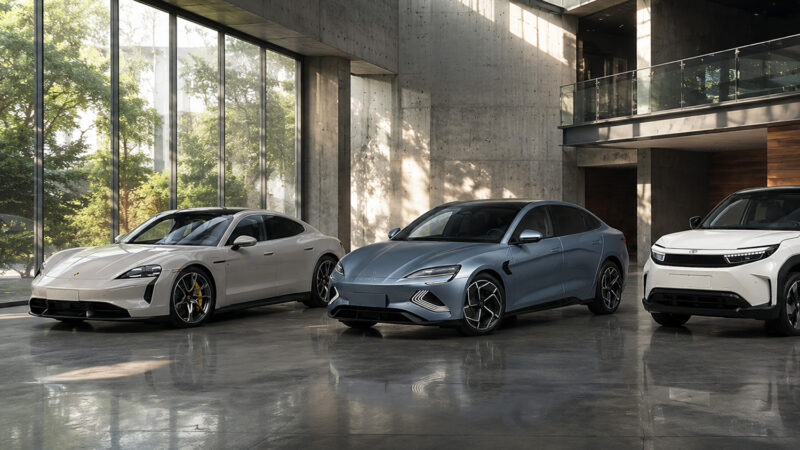
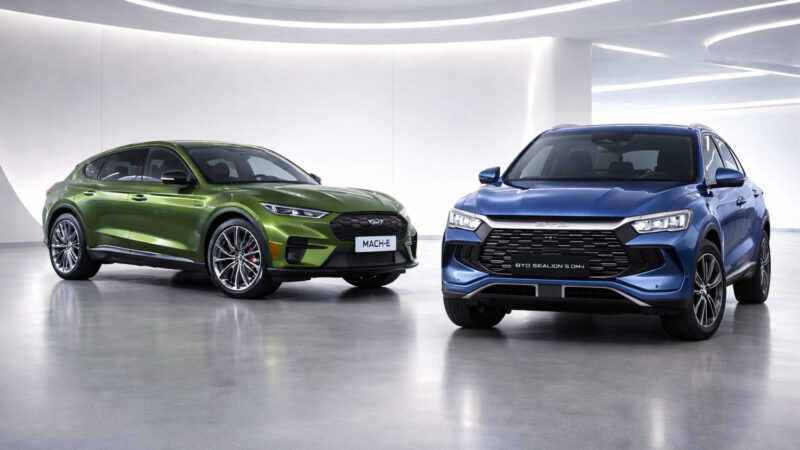
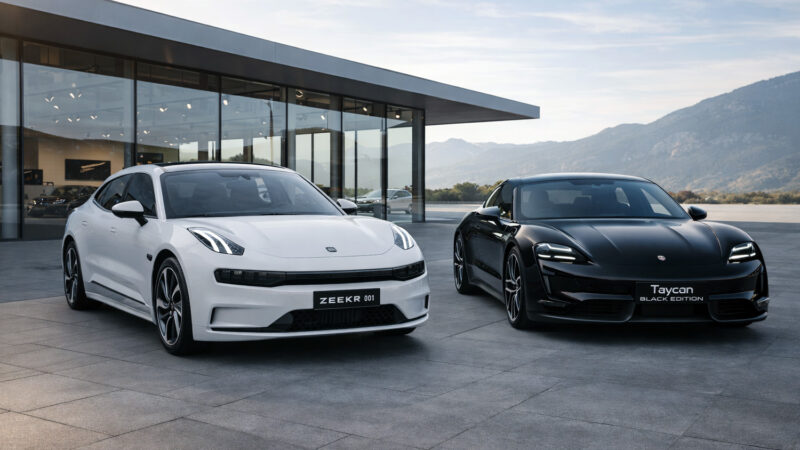
Chinese companies such as BYD, NIO, XPeng, Li Auto, and Huawei-backed automotive ventures increasingly dominate domestic innovation narratives.
The shift is not purely about price competition.
Chinese automakers have become faster in software development, in-car digital ecosystems, battery integration, and intelligent driving features-areas where younger buyers increasingly place value.
Premium consumers who once prioritized German engineering prestige now increasingly evaluate user interface quality, autonomous functions, connectivity, and digital convenience.
BMW therefore faces a structural challenge rather than a temporary sales issue.
Regaining lost ground in China will likely require deeper localization, faster software adaptation, and vehicles designed specifically for Chinese consumer preferences.
The company has already increased investment in regional R&D and localized digital services, but competition continues intensifying.
The uncomfortable reality for every German manufacturer is this: China no longer merely buys premium vehicles-it increasingly defines the pace of automotive innovation.
The Combustion Engine Question
One of the biggest misconceptions surrounding European regulation is the belief that combustion engines are disappearing overnight.
The European Union’s 2035 framework effectively ends sales of most new carbon-emitting combustion vehicles, but several important uncertainties remain.
Synthetic fuels continue to be debated.
Plug-in hybrids remain part of transitional strategies.
Many global markets outside Europe will continue demanding combustion vehicles for years.
BMW has consistently argued against forcing technological singularity too quickly. Instead, the company believes market diversity, infrastructure readiness, and consumer affordability require flexibility.
From a business perspective, abandoning profitable combustion vehicles too early could undermine funding needed for EV development.
This explains why BMW continues investing in efficient gasoline engines while simultaneously advancing battery-electric platforms.
For traditional carmakers, the challenge is not simply engineering the future-it is financing it.
Neue Klasse and the Software Challenge
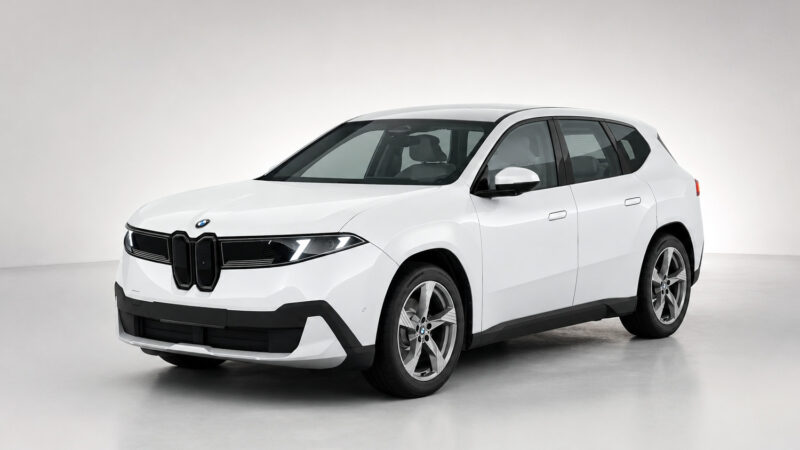
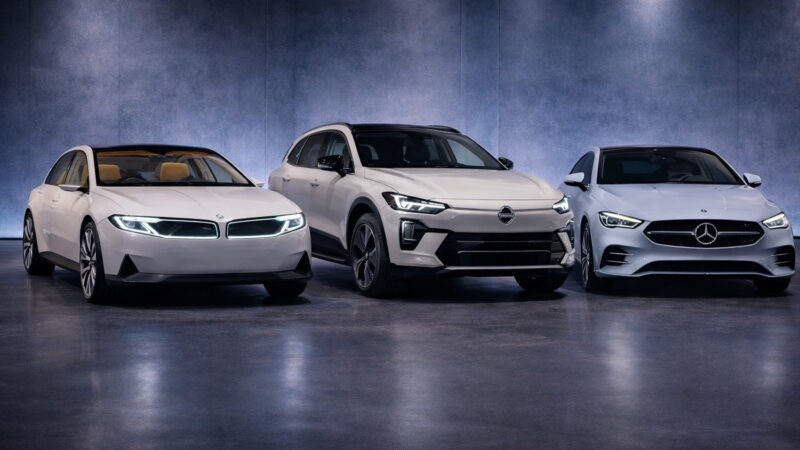
BMW’s next strategic chapter largely depends on the success of its Neue Klasse platform.
More than a new vehicle generation, Neue Klasse represents BMW’s attempt to modernize architecture, battery efficiency, digital systems, and manufacturing economics simultaneously.
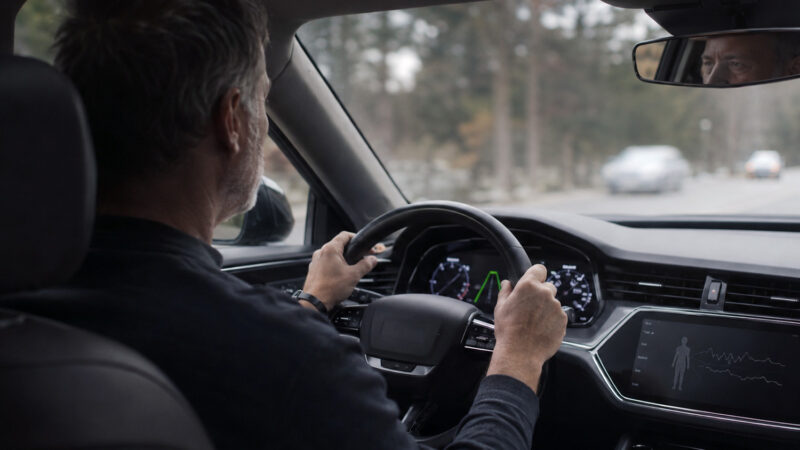
Future BMW vehicles are expected to rely more heavily on centralized computing systems, advanced driver assistance, software updates, and AI-supported optimization.
This reflects a broader industry trend toward software-defined vehicles.
Historically, automakers differentiated themselves primarily through mechanical engineering. Increasingly, however, differentiation depends on operating systems, digital ecosystems, sensors, user experience, and data integration.
In practical terms, future competition may resemble consumer electronics as much as traditional automotive rivalry.
For BMW, success will depend on balancing digital modernization without diluting the brand’s long-standing reputation for driving dynamics and engineering precision.
Consumer Pressure and the Future of Premium Mobility
Consumer behavior itself is changing.
Younger luxury buyers increasingly prioritize sustainability, technology integration, and ownership flexibility over traditional status signaling.
Subscription models, digital services, connected ecosystems, and sustainability credentials increasingly influence purchase decisions.
At the same time, economic uncertainty makes consumers more selective.
Premium brands must justify higher prices not only through design and engineering but through meaningful technological value.
BMW therefore enters its next phase at an unusually difficult moment.
The company must simultaneously modernize software, navigate regulation, respond to Chinese competition, preserve combustion profits, scale electric vehicles, and defend premium positioning.
What Comes Next?
If Milan Nedeljković ultimately leads BMW into its next chapter, his industrial background may prove highly relevant.
The future of automotive competition increasingly depends on operational efficiency, production flexibility, supply-chain resilience, and engineering discipline.
But the central challenge goes beyond factories.
BMW must answer a deeper question facing every traditional automaker: how does a company built on mechanical excellence remain emotionally relevant in an industry increasingly defined by software?
The answer may determine not only BMW’s future, but the survival of Germany’s premium automotive model itself.
Related Analysis:
Next-Gen Cars Redefining the Auto Industry in 2026
Chinese Automakers Surge, Western Brands Lose Ground in 2026