Boeing is moving ahead with ambitious plans to design and build a new generation of aircraft. From advanced military fighters to sustainable commercial airliners, these projects reflect Boeing’s strategies for innovation, competitiveness, and environmental responsibility.
Key Projects in Development
- F-47 / NGAD Fighter Jet
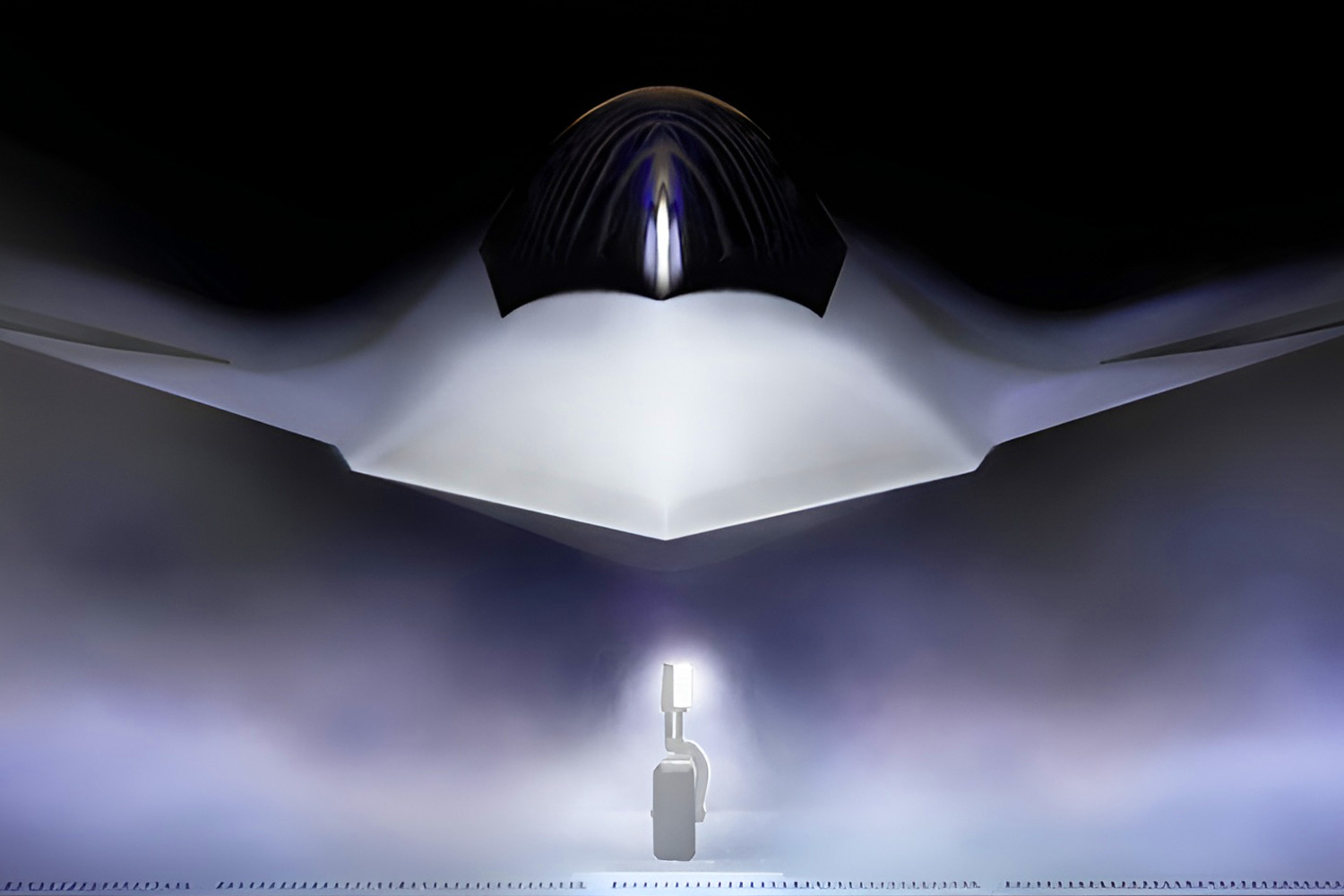
- Boeing has won the Next-Generation Air Dominance (NGAD) contract from the U.S. Air Force. The new crewed sixth-generation fighter will be designated F-47.
- It aims to surpass existing jets like the F-22 and F-35 in range, survivability, lethality, and adaptability.
- The contract is reportedly valued at $20 billion for engineering and manufacturing development, though full-lifetime program costs could run much higher.
- Key features expected include advanced stealth technologies, sensor fusion, long-range strike capability, and the ability to operate together with autonomous drone wingmen.
- Sustainable Commercial Flight & Demonstrators
- Boeing is working with NASA on the Sustainable Flight Demonstrator project, creating experimental aircraft like the X-66A. This demonstrator is designed to test technologies such as a transonic truss-braced wing, lighter structures, and more efficient propulsion systems.
- The goal is significant emissions reduction for future single-aisle aircraft, especially those that are workhorses for short-haul and medium-haul travel.
Why These Moves Matter
The commercial aviation industry is under increasing pressure to reduce carbon emissions. Boeing’s involvement in demonstrator programs is a way to adapt to stricter environmental regulations and growing public demand for greener flying.
In the defense sector, maintaining air superiority (especially with future threats) requires new systems. NGAD’s fighter is meant to keep pace with stealth, sensors, and integrated systems.
Boeing is also evaluating the market for a future single-aisle replacement for the 737 MAX. It has held early talks with engine makers (including Rolls-Royce) and is considering new designs, though no formal launch has yet been announced.
Challenges & What’s Next
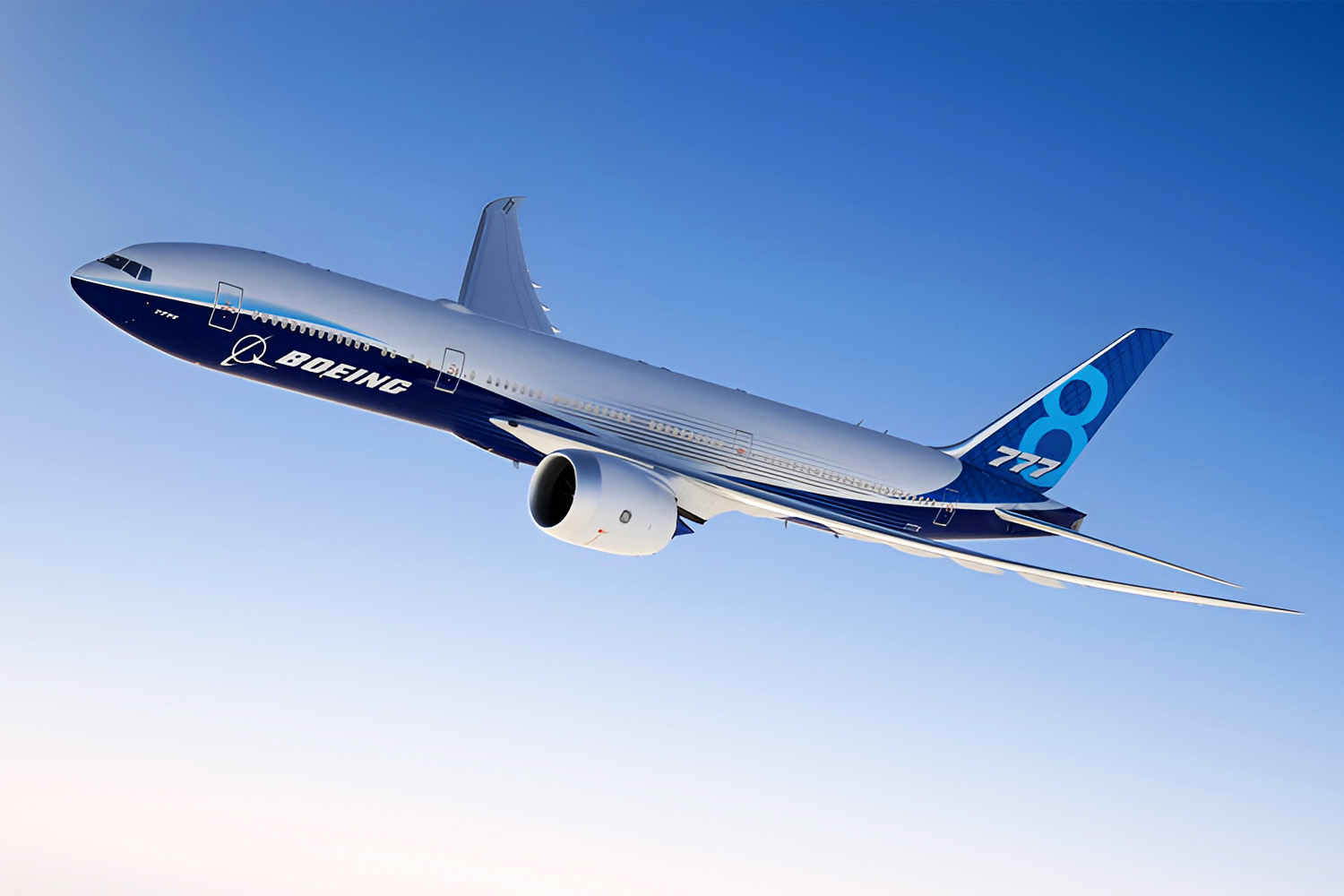
- Boeing is still working on resolving safety, certification, and production issues with its existing aircraft (like the 737 MAX models and upcoming models such as the 777-9). These must be stabilized before major new launches.
- New aircraft development takes many years-from design, testing, certification to production and delivery. Even if projects are announced now, entry into service may not happen until the late 2020s or early 2030s.
- Cost, regulatory approval, supply chain constraints, and developing new engine technologies are all significant hurdles.
What This Means for the Aviation Industry
Boeing is trying to catch up or keep up with Airbus and others in order to stay competitive in both environmental performance and product innovation.
Airlines could benefit from more fuel-efficient, quieter, greener aircraft that lower operating costs and satisfy emissions regulations.
For defense, the F-47/NGAD could reset standards of air superiority, integrating new technologies that will define combat aerial platforms for decades.