Introduction: Regulation Meets the Rise of Low-Cost Global Platforms
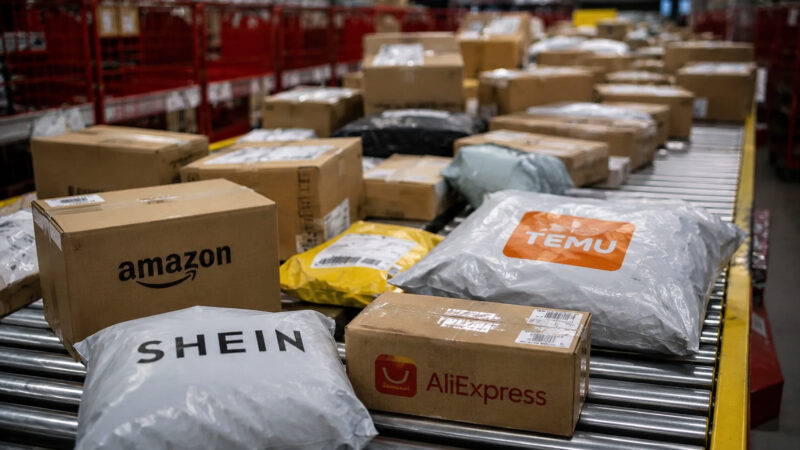
The European Union is intensifying regulatory scrutiny of fast-growing cross-border e-commerce platforms, particularly AliExpress, Temu, and Shein. These platforms have rapidly expanded their footprint in Europe by leveraging low-cost manufacturing in China and direct-to-consumer shipping models that bypass traditional retail structures.
At the center of this shift is a structural tension: while consumers benefit from lower prices and wider selection, regulators are increasingly concerned about product safety, counterfeit goods, and regulatory arbitrage. The recent actions by EU institutions signal a broader transformation in how digital commerce is governed across borders.
A New Phase of EU Enforcement: From Monitoring to Intervention
The EU’s approach has evolved from observation to active enforcement. A key example is the ongoing scrutiny of AliExpress, owned by Alibaba Group. The European Commission launched a formal investigation into the platform in March 2024, focusing on compliance with digital market regulations and consumer protection standards.
By mid-2024, AliExpress agreed to a set of legal commitments aimed at improving:
- Product monitoring and removal mechanisms
- Transparency around sellers
- Detection of counterfeit or unsafe goods
Despite these commitments, subsequent findings-including reports of inappropriate or non-compliant products being sold-have reinforced concerns that enforcement remains inconsistent. The platform’s response, including blocking offending sellers, reflects a reactive model that regulators increasingly view as insufficient.
This shift in EU posture suggests that voluntary compliance is no longer adequate. Instead, platforms are expected to demonstrate proactive control over their ecosystems.
The Structural Advantage-and Controversy-of Low-Cost Imports
The rapid growth of platforms like Temu and Shein is closely tied to a specific logistical and regulatory model:
- Direct shipment of low-value parcels from China
- Use of duty exemptions for small consignments
- Minimal physical presence within the EU
This model enables significant cost advantages:
- Lower prices compared to domestic retailers
- Reduced overhead from warehousing and distribution
- Faster scaling across multiple markets
However, it also creates regulatory blind spots. Authorities face challenges in:
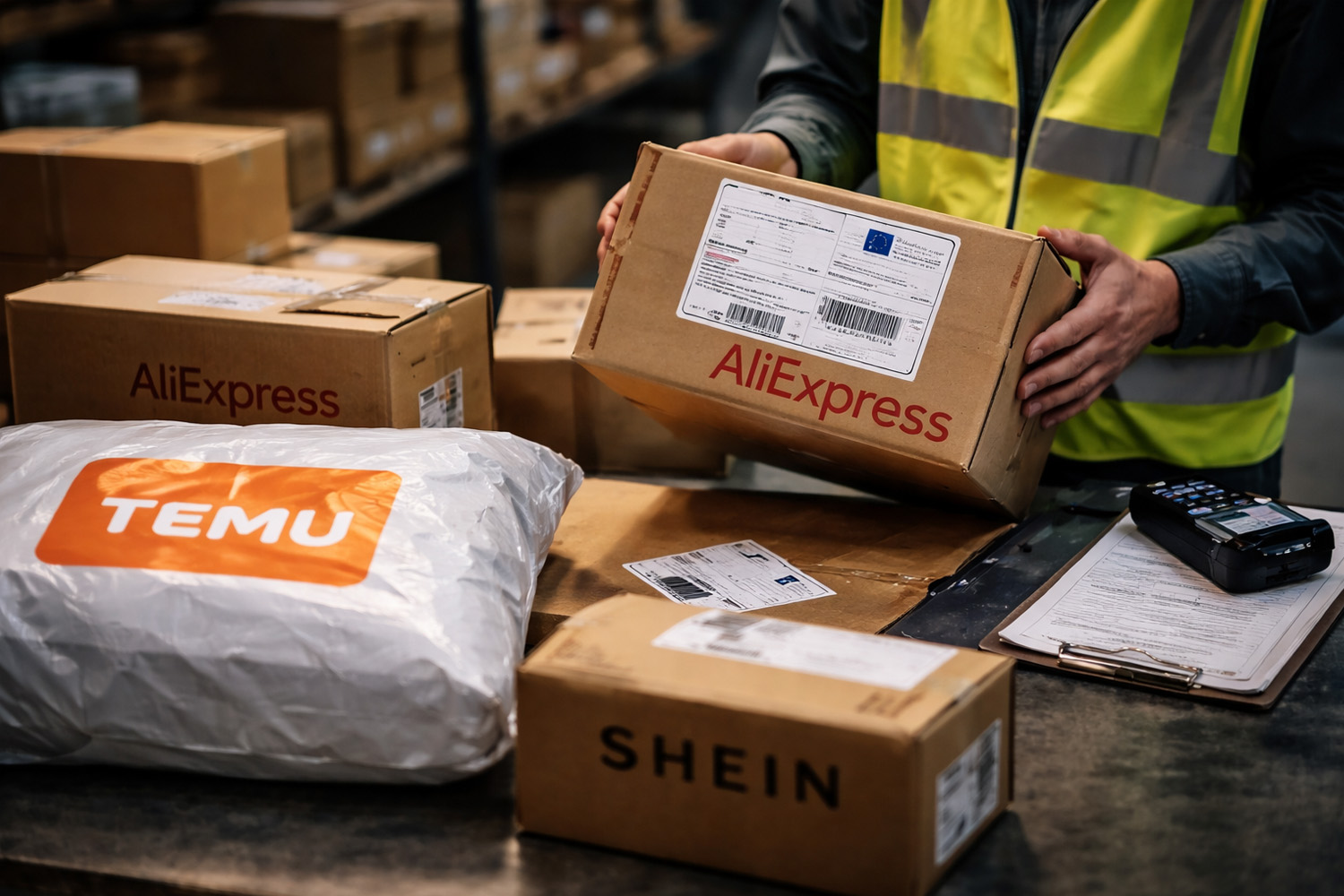
- Inspecting large volumes of small shipments
- Verifying product safety compliance
- Enforcing taxation and customs rules
The EU’s tightening of controls is, therefore, not only about specific platforms but about closing systemic gaps in cross-border e-commerce.
Product Safety, Counterfeiting, and Platform Responsibility
A central concern driving regulatory action is the presence of unsafe or counterfeit goods. Platforms operating at scale must balance openness (allowing third-party sellers) with oversight.
Key issues include:
- Product safety risks: Items that do not meet EU standards can pose health or safety hazards
- Counterfeit goods: Undermine intellectual property rights and distort competition
- Content moderation gaps: Listings that violate ethical or legal norms
The case of problematic product listings on AliExpress highlights the limitations of current moderation systems. While platforms have implemented AI-based detection and reporting mechanisms, the sheer volume of listings creates persistent enforcement challenges.
For regulators, this raises a fundamental question: should platforms be treated as neutral intermediaries or as accountable distributors? The EU’s direction increasingly favors the latter.
Competitive Impact: European Retail Under Pressure
The rise of ultra-low-cost platforms has disrupted traditional retail ecosystems within Europe. Domestic retailers face structural disadvantages:
- Higher compliance costs
- Local taxation and labor standards
- Physical infrastructure expenses
By contrast, cross-border platforms operate with:
- Lower regulatory friction (historically)
- Direct-to-consumer logistics
- Scalable digital infrastructures
The EU’s regulatory tightening can be interpreted as an effort to rebalance competition. By enforcing consistent standards across all market participants, policymakers aim to:
- Protect consumers
- Ensure fair competition
- Preserve local economic structures
However, stricter regulation may also lead to higher costs for platforms, potentially reducing the price advantage that has driven their growth.
Global Implications: A Template for Digital Trade Governance
The EU has often acted as a global standard-setter in digital regulation, and its actions in e-commerce are likely to have broader influence.
1. Export of Regulatory Standards
Countries outside the EU may adopt similar frameworks for:
- Product safety enforcement
- Platform accountability
- Cross-border taxation
This could lead to a more harmonized but also more restrictive global e-commerce environment.
2. Pressure on Platform Business Models
Platforms like Shein and Temu may need to adapt by:
- Increasing local warehousing
- Enhancing compliance infrastructure
- Adjusting pricing strategies
Such changes could shift the economics of ultra-low-cost retail.
3. Reconfiguration of Supply Chains
If regulatory costs rise, companies may reconsider supply chain strategies, including:
- Diversifying manufacturing locations
- Investing in regional distribution centers
- Integrating compliance earlier in production processes
Strategic Outlook: Regulation as a Market-Shaping Force
The EU’s actions represent more than a regulatory adjustment-they signal a redefinition of how digital marketplaces operate within sovereign jurisdictions.
Several long-term trends are emerging:
- From openness to accountability: Platforms are expected to actively manage risks within their ecosystems
- From price competition to compliance competition: Regulatory adherence becomes a differentiating factor
- From global uniformity to regional adaptation: Platforms must tailor operations to local legal frameworks
For companies like AliExpress, this transition requires significant investment in compliance, monitoring, and governance systems. For consumers, the outcome may involve a trade-off between lower prices and higher assurance of product quality and safety.
Conclusion: Balancing Access, Safety, and Fair Competition
The tightening of EU controls on cross-border e-commerce platforms marks a pivotal moment in the evolution of global digital trade. While platforms have democratized access to affordable goods, they have also exposed weaknesses in regulatory systems designed for a different era.
By increasing oversight of companies such as AliExpress, Temu, and Shein, the EU is attempting to recalibrate this balance.
The broader significance lies in the precedent being set: digital platforms are no longer peripheral actors in global trade-they are central participants, and as such, they are subject to increasing regulatory expectations.
In the coming years, the success of this approach will depend on whether regulators can enforce standards effectively without undermining the efficiencies that have made cross-border e-commerce a defining feature of the modern economy.
Related Analysis:
Retail And Consumer Spending in Early 2026: Trends and Shifts
Amazon to Invest $1.6B in Netherlands for AI And Europe Growth