Electric bikes (e-bikes) have evolved from niche gadgets to versatile mobility solutions. Whether you’re commuting through city streets, exploring trails, or just looking for a stylish ride, there’s an e-bike built for your needs. Below is a curated list of five standout models that combine performance, comfort, design, and value-including the Mercedes-branded e-bike.
What to Consider in an E-Bike
Before jumping into the list, here are the key metrics that matter:
- Mobility & Power – motor type (hub vs mid-drive), wattage, torque
- Range & Battery – realistic real-world range, battery capacity, charging time
- Comfort & Ride Quality – geometry, suspension, ergonomics
- Cost & Value – MSRP, included features, support/warranty
- Practical Features – lights, fenders, racks, connectivity, maintenance
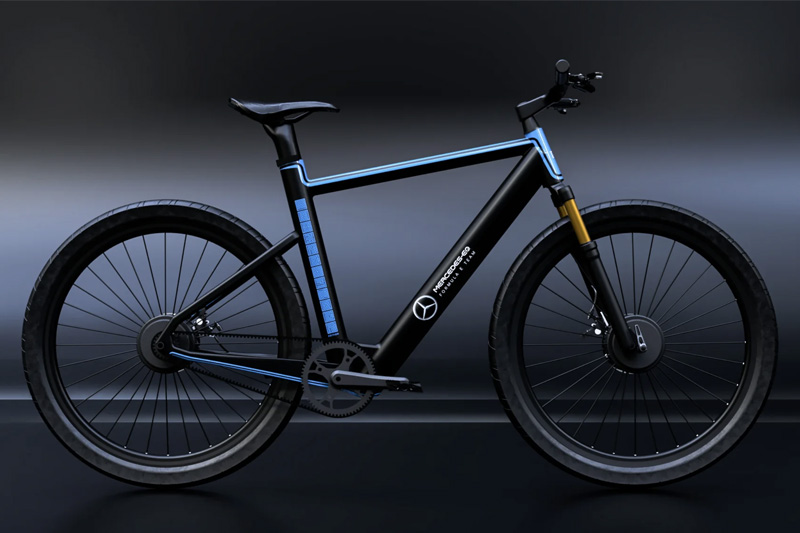
In reviews by Wired and Notebookcheck, the Mercedes-AMG F1 e-bike has been highlighted for features like its 750 W motor (in U.S. spec), smart helmet, and multiple assist modes. Mercedes’s EQ line also notes mid-drive units delivering 65 Nm torque and five-speed transmissions in some models.
Top 5 Cool Electric Bikes of 2025
Below is a comparison of five electric bikes worth attention this year.
- Mercedes-AMG / Mercedes-EQ / n+ e-bikes
Mobility & Range:
The Mercedes-AMG F1 models (e.g. City Edition, Track Edition) deliver up to 750 W motor support (in U.S. versions) and top assist speeds of ~28 mph. In European versions, 250 W assist is common. The EQ Formula e-team e-bike uses mid-drive 250 W / 80 Nm units with handling-optimized weight distribution.
Comfort & Ride:
Aluminum frames, carbon belt options, cockpit-like displays, smart helmet integration.
Approx. Cost & Value:
High (premium branding & features).
Highlights / Tradeoffs:
Pros: standout design, smart telemetry & helmet, premium brand appeal
Cons: in Wired’s review the throttle was unreliable, pairing issues with the helmet, bolted rear wheel less convenient, and fenders sold separately.
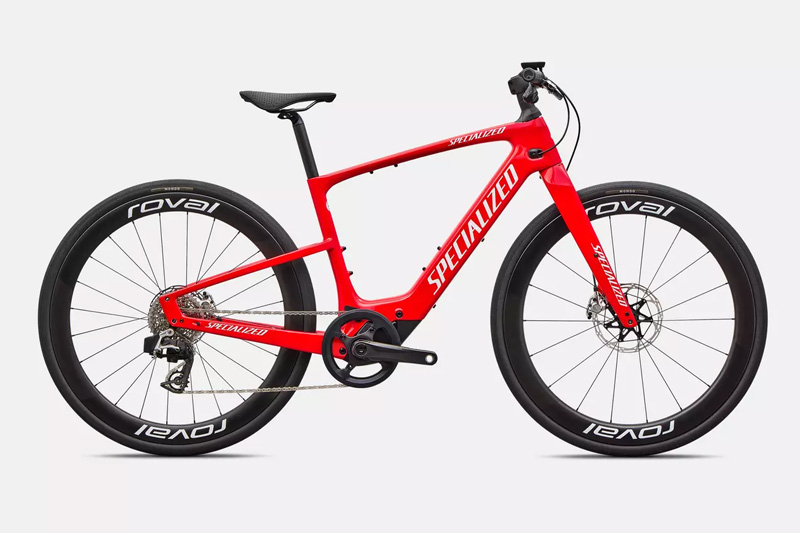
- Specialized Turbo Vado / Vado SL
Mobility & Range:
Mid-drive motors with smooth assistance; typical urban ranges of 70–100 km depending on model.
Comfort & Ride:
Comfortable geometry, integrated battery, good all-around utility.
Approx. Cost & Value:
Premium price but considered a strong value among full-feature e-bikes.
Highlights / Tradeoffs:
Very balanced choice for commuting and general use.
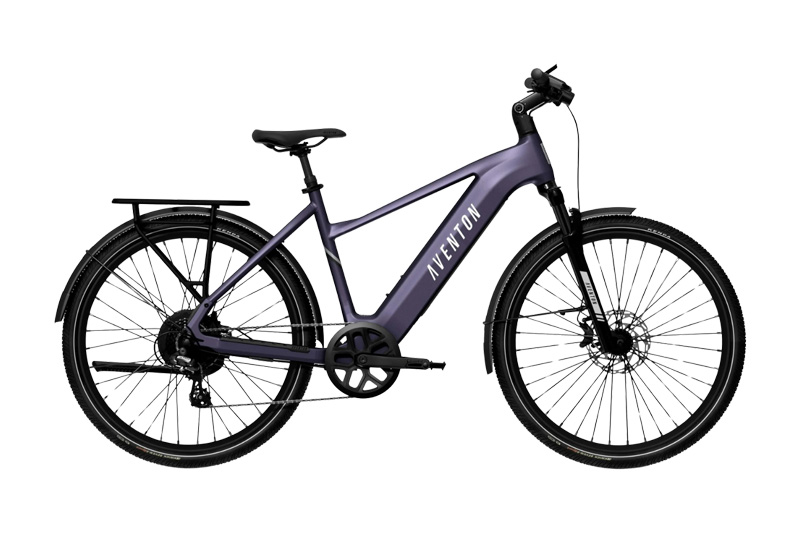
- Aventon Level 3
Mobility & Range:
500 W assist, solid urban range.
Comfort & Ride:
Upright, commuter-friendly design with good comfort.
Approx. Cost & Value:
Competitive cost relative to features.
Highlights / Tradeoffs:
Great for city riders wanting power + practicality.
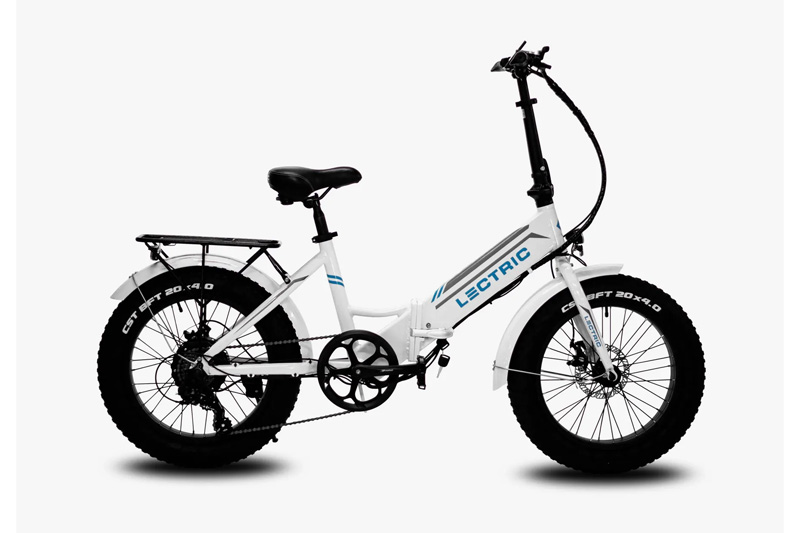
- Lectric One / XP (foldable class)
Mobility & Range:
Decent range for city commuting.
Comfort & Ride:
Compact, foldable, decent comfort for its class.
Approx. Cost & Value:
Excellent value in mid-range.
Highlights / Tradeoffs:
Best for users needing portability or space-saving storage.
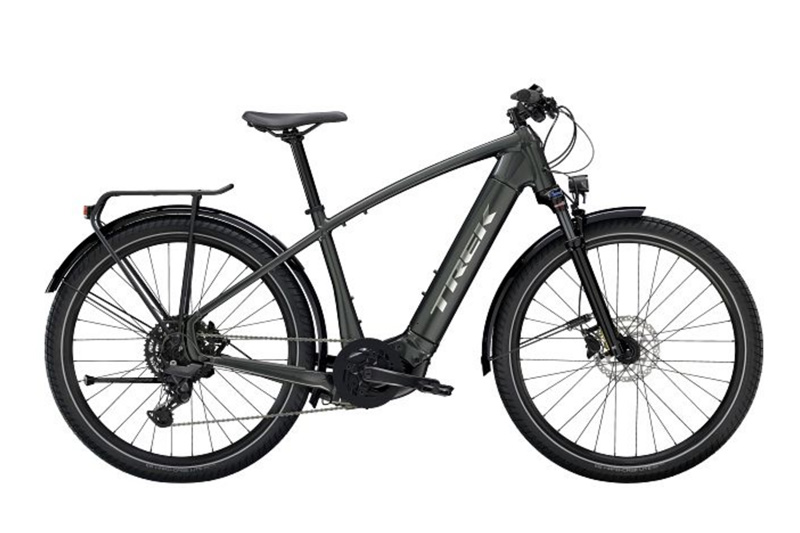
- Trek Rail / Trek Allant+
Mobility & Range:
Strong motors for trail / urban hybrid; good range.
Comfort & Ride:
Suspension or comfort-oriented designs.
Approx. Cost & Value:
Higher-end cost.
Highlights / Tradeoffs:
Ideal for riders wanting versatility between roads and light trails.
Final Thoughts & Buying Tips
- Define your primary use – city commute, long treks, or mixed terrain. Don’t overpay for features you won’t need.
- Expect real-world range to be lower – manufacturers often quote ideal conditions; wind, hills, and rider weight reduce range by 20–30%.
- Look for included accessories – lights, racks, fenders, and integrated displays add value over bare-bones models.
- Test-ride if possible – comfort and handling are subjective; what feels smooth to one rider might feel stiff to another.
- Service & support matter – battery, motor, and electronics repairs can be costly if dealer support is weak.