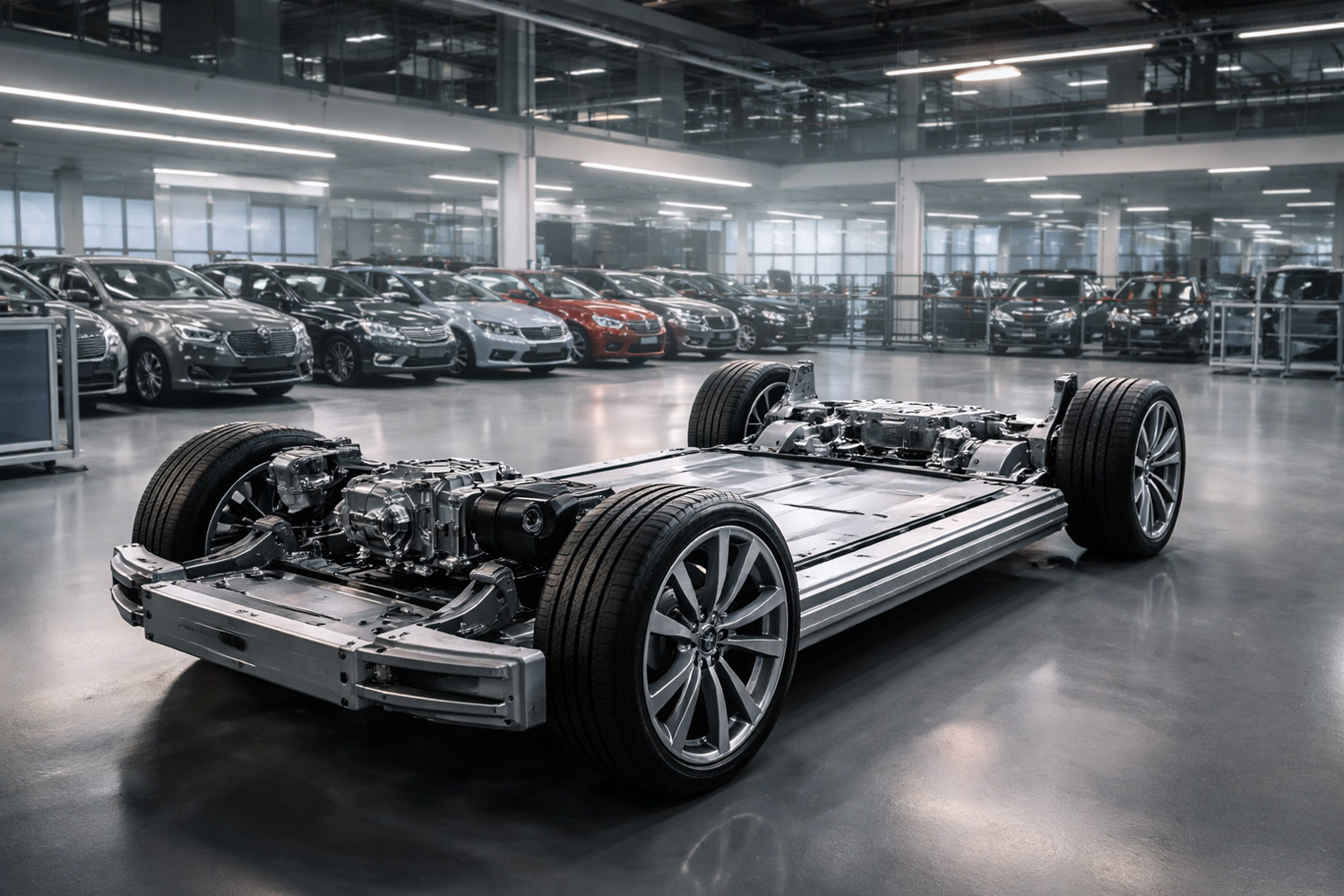
Industry Context: Rising Costs and the Need for Scale
The automotive industry is facing one of the most capital-intensive transitions in its history. Electrification, software integration, and stricter safety and emissions standards have significantly increased development costs. Estimates from industry reports indicate that developing a new vehicle platform can require investments ranging from several hundred million to several billion dollars, depending on complexity and technology integration.
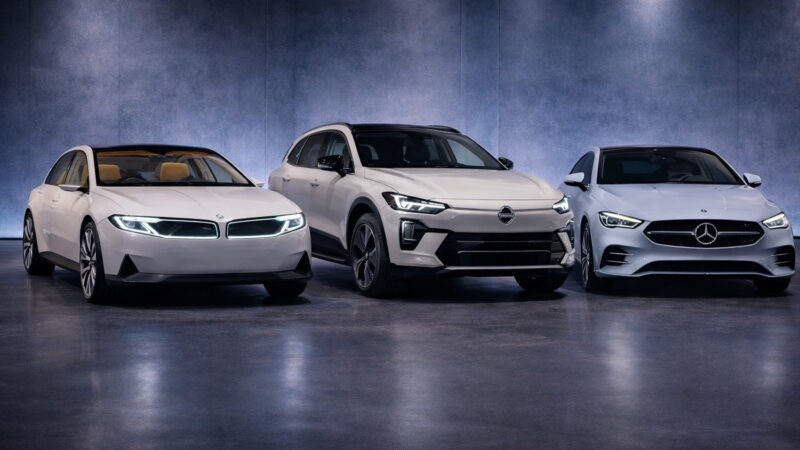
In response, automakers are increasingly adopting shared vehicle architectures across multiple brands and models. This approach allows companies to distribute high fixed costs across larger production volumes, improving overall financial efficiency.
Platform sharing has evolved from a cost-saving tactic into a core strategic framework, particularly as manufacturers transition toward electric vehicles (EVs), where battery and software development further increase capital requirements.
Operational Efficiency: How Platform Sharing Works in Practice
Economies of Scale with Real-World Examples
Large automotive groups have implemented platform sharing at scale, demonstrating measurable efficiency gains.
A widely cited example is Volkswagen Group and its modular MQB platform (Modular Transverse Matrix). This architecture underpins a wide range of vehicles, including:
- Volkswagen Golf
- Audi A3
- Škoda Octavia
- SEAT Leon
Despite differences in branding, pricing, and design, these vehicles share core engineering components such as engine placement, chassis structure, and electronic architecture.
According to company disclosures, modular platforms like MQB have enabled Volkswagen Group to reduce production complexity and shorten development cycles by standardizing up to 60–70% of components across models.
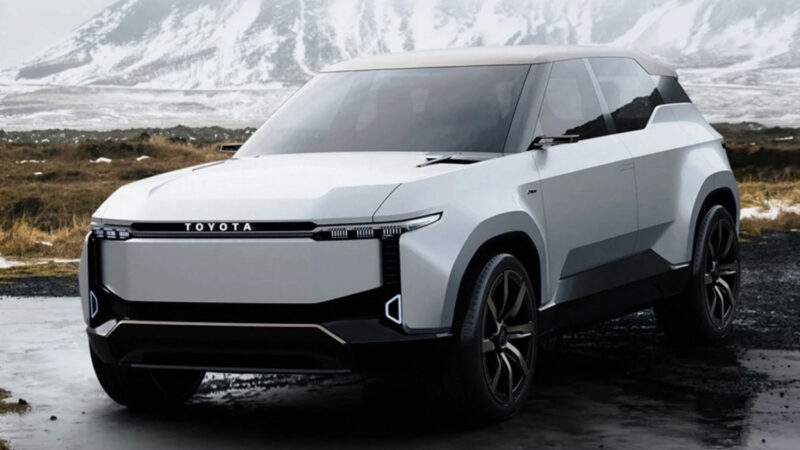
Similarly, Toyota introduced the TNGA (Toyota New Global Architecture), which supports models such as:
- Toyota Corolla
- Toyota Camry
- Toyota RAV4
Toyota has stated that TNGA improves manufacturing efficiency and vehicle performance while reducing production costs through standardization.
Modularity and Electrification Platforms
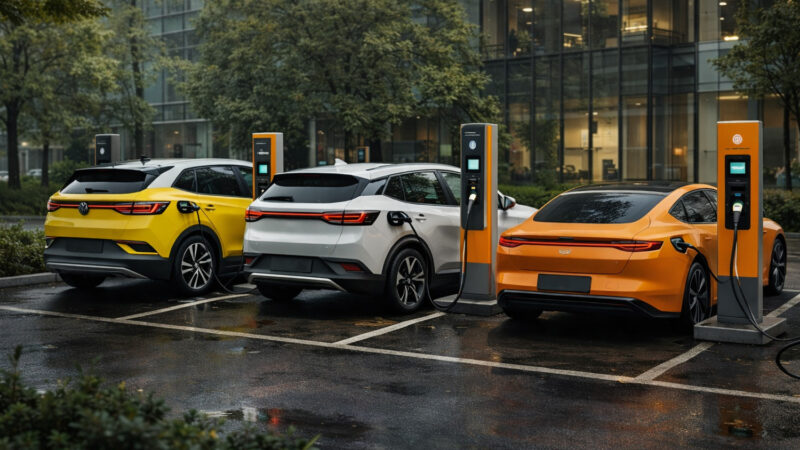
The shift to electric vehicles has further accelerated platform sharing. EV platforms are particularly suited to modular design, as battery placement and electric drivetrains allow flexible configurations.
For example, Volkswagen Group developed the MEB (Modular Electric Drive Matrix) platform, used in:
- Volkswagen ID.3
- Volkswagen ID.4
- Škoda Enyaq
- Audi Q4 e-tron
This platform is designed exclusively for electric vehicles, enabling economies of scale in battery integration and software systems.
Another example is Stellantis, formed through the merger of Fiat Chrysler Automobiles and PSA Group. Stellantis uses shared platforms such as CMP and STLA across brands including Peugeot, Citroën, Opel, and Jeep.
Strategic Implications: Standardization and Industry Collaboration
Cross-Brand Integration and Cost Distribution
Platform sharing enables large automotive groups to integrate operations across multiple brands while maintaining distinct market identities.
Key strategic advantages include:
- Cost distribution: High development costs are spread across millions of units
- Faster time-to-market: New models can be launched more quickly using existing architectures
- Technology diffusion: Innovations (e.g., safety systems, infotainment) can be deployed across multiple brands simultaneously
For instance, safety and driver-assistance technologies developed for premium brands such as Audi can later be adapted for mass-market vehicles within the same group.
Inter-Company Partnerships and Shared Development
In addition to internal platform sharing, automakers increasingly collaborate across corporate boundaries.
Notable examples include:
- Toyota and Subaru co-developing electric vehicle platforms
- Ford Motor Company and Volkswagen Group collaborating on EV and commercial vehicle architectures
These partnerships reduce duplication of investment and accelerate the adoption of new technologies.
Societal Impact: Affordability, Access, and Industrial Transformation
Consumer Benefits and Market Effects
Platform sharing has tangible effects on consumers, particularly in terms of pricing and access to technology.
Key outcomes include:
- Lower production costs, which can translate into more competitive pricing
- Broader availability of advanced features, including safety systems and digital interfaces
- Faster rollout of electric vehicles, supporting the transition to lower-emission mobility
For example, shared EV platforms have enabled manufacturers to introduce electric models across multiple price segments, expanding accessibility beyond premium markets.
Industrial and Workforce Implications
The shift toward shared architectures also reshapes the automotive supply chain and labor market.
Observed trends include:
- Consolidation among suppliers due to standardized components
- Increased demand for software engineers and battery specialists
- Greater reliance on flexible manufacturing systems
These changes reflect a broader transition from mechanical engineering toward software-driven vehicle development.
Conclusion: Platform Sharing as a Structural Industry Shift
The growing adoption of multi-brand platforms reflects a fundamental restructuring of the automotive industry. Faced with rising costs and technological complexity, automakers are prioritizing efficiency through standardization and scale.
Real-world examples-from Volkswagen’s MQB and MEB platforms to Toyota’s TNGA-demonstrate that platform sharing is not merely a cost-cutting measure but a long-term strategic approach. It enables faster innovation, broader access to new technologies, and greater resilience in a highly competitive global market.
As electrification and digitalization continue to reshape the sector, shared architectures are likely to remain a defining feature of automotive production, influencing both industry dynamics and consumer experience.
Related Analysis:
Top 50 Electric Car Brands And Best EV Models
Chinese Automakers Surge, Western Brands Lose Ground in 2026