Stop Drinking Coffee Wrong: 3 Mistakes You Make Every Morning
Coffee has become much more than a beverage. It is a daily ritual, a social signal, an economic powerhouse, and for many people, the unofficial start of the workday. More than two billion cups are consumed worldwide every day, making coffee one of the most culturally significant agricultural products on Earth.
Yet despite drinking coffee every morning, millions of people unknowingly prepare and consume it in ways that reduce both its enjoyment and its benefits. Many habits that feel intuitive-drinking coffee immediately after waking, skipping breakfast, or using boiling water-are actually products of convenience rather than evidence.
At the same time, coffee culture itself is undergoing one of the biggest transformations in its history. Consumers are becoming more interested in bean origins, brewing science, sustainability, and quality than ever before. Specialty coffee has turned what was once considered an everyday commodity into something that resembles fine wine or craft whiskey.
Understanding coffee today therefore requires more than knowing how to brew it. It means understanding biology, psychology, culture, climate, and changing consumer behavior.
Mistake #1: Drinking Coffee Immediately After Waking Up
For many people, the morning routine is almost automatic: wake up, head to the kitchen, and pour a cup of coffee within ten or fifteen minutes.
Ironically, this may be one of the least effective times to consume caffeine.
Human alertness is regulated not only by caffeine but also by cortisol, a hormone that naturally rises shortly after waking. Cortisol helps the body transition from sleep to wakefulness by increasing alertness and preparing us for daily activity.
When caffeine is consumed during this natural cortisol peak, its stimulating effect may be less noticeable because the body is already highly alert. Over time, some researchers suggest this pattern may contribute to a greater perceived tolerance to caffeine, leading people to rely on increasingly larger amounts for the same effect. Drinking coffee during this period may also amplify feelings of nervousness or jitters in people who are particularly sensitive to caffeine.
A better approach
Many sleep researchers recommend waiting approximately 90 to 120 minutes after waking before drinking the first cup. By then, cortisol levels have naturally begun to decline, allowing caffeine to provide a more noticeable boost in alertness.
This advice reflects a broader shift in wellness culture: rather than forcing the body into wakefulness, people are increasingly learning to work with natural biological rhythms.
Mistake #2: Drinking Coffee on an Empty Stomach
Another widespread habit is drinking black coffee before eating anything.
Coffee stimulates the production of gastric acid. While this is a normal digestive response, consuming coffee without food may cause discomfort for some people, including heartburn, acid reflux, bloating, or stomach irritation. Individuals differ considerably in their sensitivity, but for those prone to digestive issues, an empty stomach often makes symptoms worse.
Caffeine is also absorbed rapidly when no food is present, sometimes producing a sudden spike in alertness followed by feelings of anxiety, shakiness, or a racing heartbeat.
This explains why some people mistakenly conclude that coffee “doesn’t suit them,” when the real issue is how they drink it rather than the coffee itself.
A better approach
Start the morning with a glass of water to rehydrate after sleep, then eat at least a light breakfast-or even a small snack such as yogurt, fruit, nuts, or whole-grain toast-before reaching for coffee.
The goal is not to eliminate coffee but to create a gentler physiological response that supports rather than shocks the digestive system.
Mistake #3: Brewing Coffee Too Hot
Perhaps the most overlooked mistake happens before the first sip.
Many people pour freshly boiling water-around 100°C (212°F)-directly onto coffee grounds or repeatedly boil Turkish coffee, believing hotter water produces a stronger brew.
In reality, excessive heat extracts undesirable compounds that contribute to bitterness while degrading many of the delicate aromatic oils responsible for coffee’s complexity. The result is a harsh, burnt flavor that often leads people to compensate with excessive sugar, flavored syrups, or large amounts of milk.
The ideal brewing temperature
Most coffee professionals recommend brewing between 90°C and 96°C (194°F–205°F).
A simple trick is to let boiling water rest for one to two minutes before pouring it over the coffee. This small adjustment preserves more of the bean’s natural sweetness, aroma, and balance without requiring expensive equipment.
Ironically, many people believe they dislike black coffee when, in reality, they have simply never tasted properly brewed coffee.
Coffee’s Third and Fourth Waves: When Coffee Became Like Fine Wine
Coffee culture has evolved through several distinct eras.
The First Wave focused on accessibility, turning coffee into a household staple.
The Second Wave, led by global coffeehouse chains, transformed coffee into an experience centered on cafés, espresso drinks, and lifestyle.
Today’s Third Wave treats coffee as an artisanal agricultural product. Consumers increasingly ask where beans were grown, at what altitude, how they were processed, and how they should be brewed.
Some experts now describe an emerging Fourth Wave, where advanced roasting science, sustainability, precision agriculture, AI-assisted quality control, and direct farmer relationships are becoming central to the industry.
This evolution mirrors broader consumer trends across food and beverage markets. As societies become wealthier and more informed, people increasingly value authenticity, craftsmanship, and traceability over mass production.
Why Specialty Coffee Can Cost So Much
Many people are surprised to discover that some coffee sells for hundreds of dollars per kilogram.
The reason lies in quality rather than rarity alone.
Professional coffee is evaluated using the internationally recognized 100-point grading system developed by the Specialty Coffee Association (SCA). Coffees scoring 80 points or higher qualify as specialty coffee.
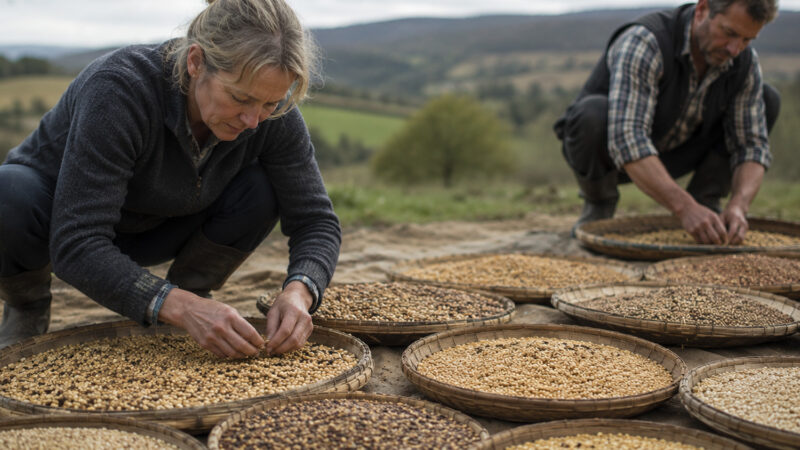
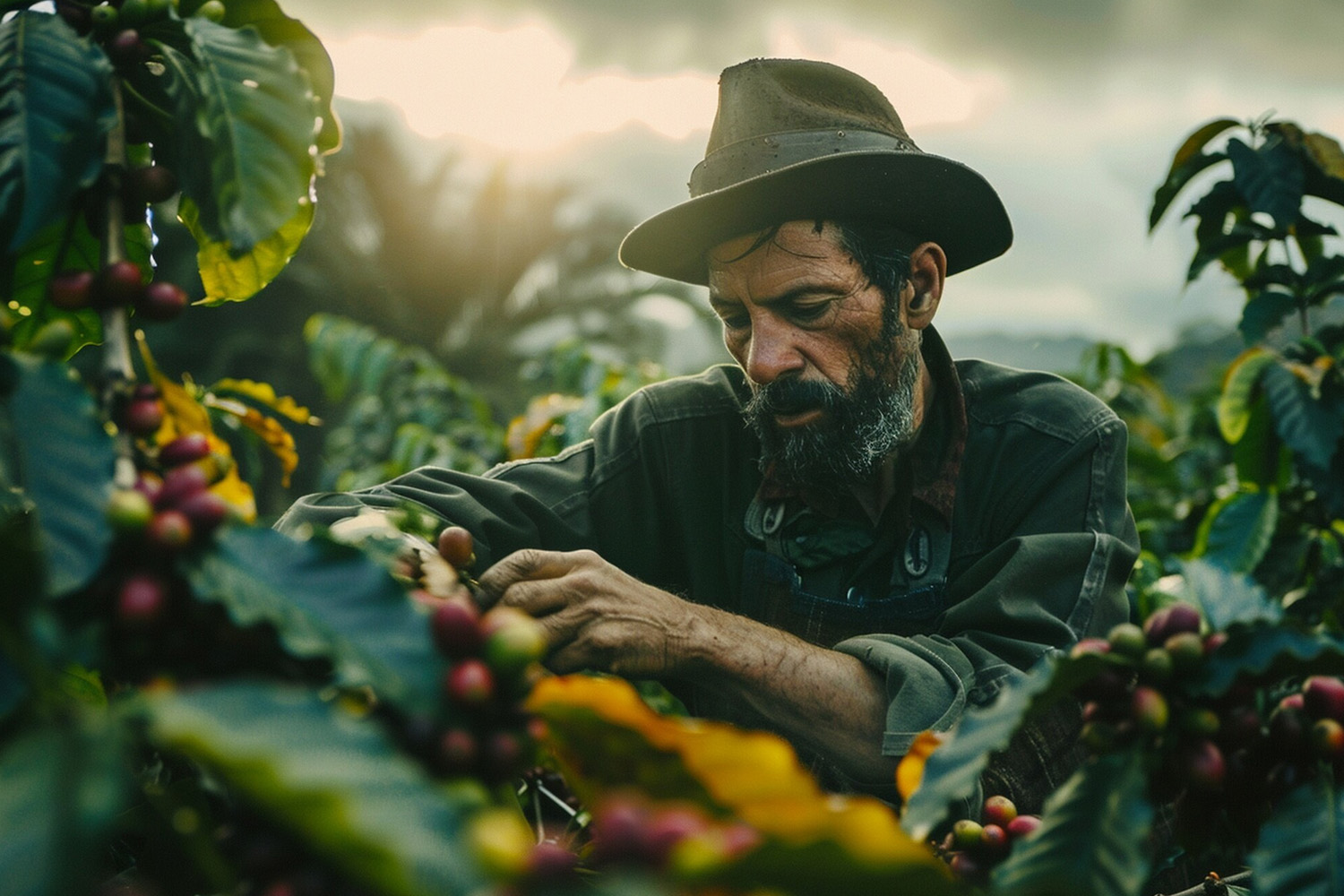
These beans typically come from carefully managed farms, are harvested selectively by hand, processed with great precision, and roasted to highlight their natural characteristics instead of masking defects through extremely dark roasting.
Much like vintage wine, every harvest reflects differences in weather, soil, altitude, and farming practices.
Rather than purchasing “strong” coffee, specialty coffee consumers increasingly seek transparency and origin.
Acidity Is Not a Flaw-It’s a Sign of Quality
In many countries, including much of Eastern Europe, acidic coffee is often misunderstood as poor-quality coffee.
In reality, the opposite is frequently true.
High-quality Arabica grown at higher elevations develops greater complexity because cooler temperatures slow the maturation of coffee cherries. This often produces bright notes reminiscent of citrus, berries, apples, or tropical fruit.
Professional tasters refer to this pleasant brightness as acidity, and it is considered one of the defining characteristics of exceptional coffee.
This does not mean the coffee is physically more acidic in a harmful sense. Instead, it describes a sensory experience similar to the refreshing acidity found in quality wine or fresh fruit.
Dark, burnt flavors often indicate heavy roasting rather than superior beans.
Could Coffee Become a Luxury Product?
Coffee also illustrates how climate change is reshaping global agriculture.
Arabica-the species responsible for most premium coffee-is highly sensitive to temperature changes. Rising temperatures, shifting rainfall patterns, prolonged droughts, and increasing pest pressure are reducing the suitability of many traditional coffee-growing regions.
Numerous scientific studies project that suitable land for Arabica cultivation could decline significantly by mid-century if warming continues.
This does not necessarily mean coffee will disappear by 2050, but high-quality coffee could become more expensive and geographically limited.
The industry’s response already includes:
- Developing climate-resilient coffee varieties
- Moving plantations to higher elevations
- Regenerative farming techniques
- Water-efficient agriculture
- Greater investment in biodiversity
Meanwhile, startups are experimenting with beanless coffee, produced through fermentation and food science, while others promote alternatives such as chicory root coffee and mushroom coffee. Although these products are unlikely to replace traditional coffee in the near future, they reflect growing concerns about sustainability and supply resilience.
What Your Coffee Choice Says About You
Coffee preferences have also become an area of psychological research.
While personality cannot be determined by beverage choice alone, studies suggest consistent patterns in consumer behavior.
People who regularly drink black coffee often prioritize simplicity, routine, and efficiency. They may place greater value on functionality than indulgence.
Those who prefer sweetened or milk-based drinks frequently associate coffee with comfort, relaxation, and social enjoyment rather than merely caffeine intake.
These differences reveal less about personality traits than about motivation.
For some, coffee is fuel.
For others, it is an experience.
Modern marketing increasingly recognizes this distinction, creating products that appeal not simply to taste preferences but to different lifestyles and emotional needs.
Why Coffee Breaks Matter More Than Ever
The workplace has transformed dramatically over the past decade, yet one ritual remains remarkably resilient: the coffee break.
Far from being wasted time, informal conversations over coffee often facilitate knowledge sharing, creative problem-solving, mentoring, and relationship building. Organizational behavior research has long shown that many valuable ideas emerge outside formal meetings, where employees interact more freely.
In hybrid and remote work environments, companies increasingly recognize that shared coffee moments-even virtual ones-can strengthen team cohesion and workplace culture.
Coffee, in this sense, functions as social infrastructure. It creates opportunities for spontaneous interaction that emails and scheduled meetings rarely replicate.
Conclusion
Coffee has always reflected the societies that consume it. What began as a simple morning stimulant has evolved into a cultural ritual shaped by science, psychology, climate, and global economics.
Avoiding three common mistakes-drinking coffee immediately after waking, consuming it on an empty stomach, and brewing it with boiling water-can improve both the experience and, for many people, how their body responds to caffeine. Yet the bigger story is that coffee itself is changing. Consumers are becoming more informed about quality, origin, sustainability, and brewing techniques, while producers face mounting challenges from climate change and shifting market expectations.
Ultimately, the future of coffee is not just about better beans or better brewing. It is about understanding that every cup connects biology, culture, agriculture, and human behavior. The morning coffee ritual is no longer simply a habit-it is a reflection of how modern lifestyles continue to evolve.