For decades, Georgia has occupied a unique place in global cultural history as the widely recognized cradle of wine. Archaeological discoveries and scientific studies have linked the South Caucasus nation to some of humanity’s earliest winemaking traditions, giving the country a special position in discussions about the origins of agriculture and settled life. Now, growing scientific evidence suggests that Georgia’s contribution to civilization may be even broader than previously understood.
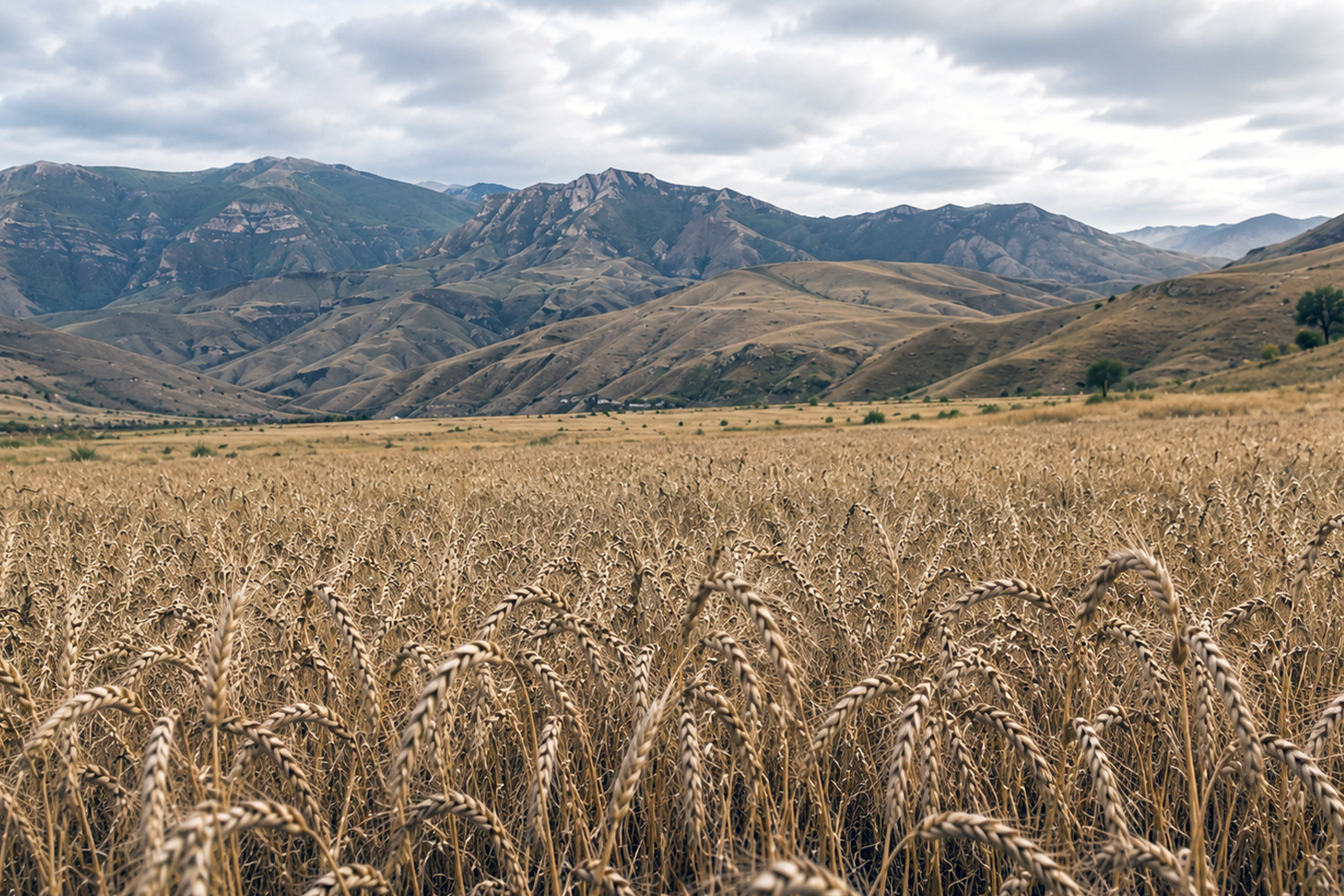
A genetic study published in the Proceedings of the National Academy of Sciences (PNAS), combined with archaeological research conducted at the sites of Gora and Shulaveri Gora in Kvemo Kartli, strengthens the argument that Georgia was not merely an agricultural crossroads but an independent center for the domestication and cultivation of bread wheat. The findings indicate that wheat domestication processes were already underway in the region approximately 8,000 years ago, during the sixth millennium BCE.
This discovery is significant not only because it revises agricultural history. It also reshapes how we understand cultural identity, food traditions, and humanity’s relationship with the crops that sustain modern life. In an era increasingly concerned with biodiversity, food security, and sustainable agriculture, Georgia’s ancient wheat heritage offers lessons that extend far beyond archaeology.
Why Wheat Matters More Than Any Other Crop
Few agricultural products have influenced human civilization as profoundly as wheat. Unlike many crops that remained regionally important, wheat became a foundation of global development. It enabled long-term food storage, supported population growth, encouraged permanent settlements, and helped create the economic surplus necessary for the emergence of cities, governments, and complex societies.
The story of wheat is therefore inseparable from the story of civilization itself.
When researchers identify a new center of wheat domestication, they are not merely adding another chapter to botanical history. They are potentially redefining where and how some of humanity’s most transformative cultural and technological developments began.
For generations, discussions about wheat domestication focused primarily on the Fertile Crescent. While that region remains central to agricultural history, emerging evidence increasingly suggests that the domestication process was more diverse and geographically distributed than previously believed. Georgia’s role appears to be part of this more complex picture.
The implications are substantial. If Georgia served as an independent center of wheat cultivation, then the country becomes not simply a recipient of agricultural knowledge but a creator of it.
The Cultural Significance of Agricultural Origins
Modern societies often associate innovation with technology hubs, industrial centers, and urban environments. Yet many of humanity’s most important innovations occurred thousands of years ago in farming communities.
The domestication of wheat represents one of the earliest examples of human-directed innovation. Ancient farmers observed wild plants, selected desirable traits, experimented across generations, and gradually transformed grasses into reliable food sources. This process required observation, patience, and collective knowledge passed through communities over centuries.
The archaeological evidence from Georgia highlights the sophistication of these early agricultural societies. Rather than existing on the margins of history, the communities living in the South Caucasus were active participants in shaping humanity’s future.
This realization carries cultural significance today. It challenges simplistic narratives that place innovation exclusively within a handful of historical centers. Instead, it reveals a more interconnected story in which multiple regions contributed to the development of civilization.
For Georgians, such findings strengthen a cultural identity already deeply connected to agriculture, hospitality, and food traditions. Bread and wine remain central symbols of Georgian culture, and the possibility that both have roots reaching back to some of the earliest agricultural experiments adds remarkable historical depth to these traditions.
A Living Museum of Wheat Diversity
Perhaps even more remarkable than Georgia’s archaeological record is its extraordinary wheat biodiversity.
Of the 27 recognized wheat species worldwide, 14 have been identified and described in Georgia. This represents approximately 62 percent of the known wheat species within a relatively small geographical area. Among them are five endemic species that occur naturally only in Georgia.
Such concentration of diversity is not accidental.
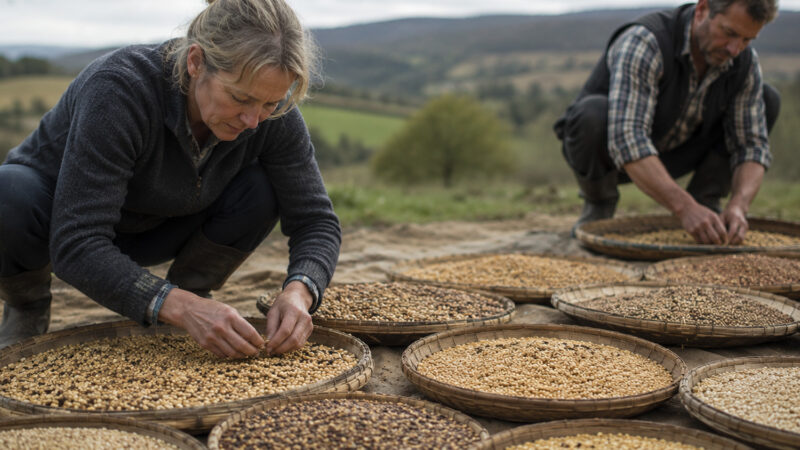
Centers of crop diversity often correspond to regions where plants evolved, were domesticated, or underwent long-term cultivation. The presence of numerous wheat varieties suggests that Georgia served as a critical environment for experimentation, adaptation, and preservation over thousands of years.
From a cultural perspective, biodiversity reflects human behavior as much as biology. Traditional farming communities rarely selected crops based solely on yield. Different varieties were maintained for different climates, soils, culinary uses, and cultural preferences.
This diversity demonstrates a historical approach to agriculture rooted in resilience rather than uniformity. Farmers preserved options, understanding that environmental conditions could change from year to year.
Modern industrial agriculture has often favored standardization. While this approach increased productivity, it also reduced genetic diversity in many regions. Today, climate change, emerging plant diseases, and ecological pressures are encouraging scientists to revisit ancient agricultural systems in search of genetic traits that may prove essential for future food security.
In this context, Georgia’s wheat heritage becomes more than a matter of national pride. It becomes a global resource.
Why Ancient Wheat Matters in the Twenty-First Century
The renewed interest in traditional grains reflects broader cultural and behavioral shifts occurring around the world.
Consumers increasingly question highly industrialized food systems. Concerns about sustainability, nutrition, biodiversity, and environmental resilience are influencing purchasing decisions and agricultural policy alike.
This helps explain why ancient wheat varieties are receiving growing attention from researchers and food producers.
German scientists highlighted the Georgian wheat variety Zanduri among cereals likely to gain importance in the future. Alongside varieties such as Polupolba and Spelta, Zanduri attracted attention because of its natural resilience, strong immunity, and resistance to parasites.
The popularity of ancient grains reflects a broader societal trend: people are increasingly seeking authenticity and sustainability in their food choices.
This is not merely nostalgia. It is a response to modern uncertainties.
As climate change creates unpredictable growing conditions, agricultural systems built around genetic diversity become increasingly valuable. Ancient wheat varieties often contain characteristics lost through centuries of intensive breeding, including disease resistance, environmental adaptability, and nutritional diversity.
Consumers may not consciously think about genetic resilience when purchasing specialty bread or heritage grains. However, their growing interest reflects deeper concerns about food quality, environmental sustainability, and the long-term reliability of food systems.
Heritage as an Economic and Cultural Asset
The rediscovery of Georgia’s wheat legacy also illustrates how historical heritage can generate contemporary value.
Around the world, countries increasingly use cultural identity as a source of economic development. Tourism, gastronomy, and heritage industries thrive when they can offer authentic stories connected to place.
Georgia has already successfully leveraged its reputation as the birthplace of wine. The growing recognition of its role in wheat domestication creates new opportunities to strengthen cultural tourism, culinary branding, and agricultural innovation.
Visitors are increasingly interested in experiences that connect food to history. They seek not only products but narratives-stories about origins, traditions, and cultural continuity.
Ancient wheat varieties provide precisely such narratives.
A loaf of bread made from endemic Georgian wheat is not simply a food product. It represents thousands of years of agricultural history, local knowledge, and cultural preservation. In an increasingly globalized economy, such uniqueness carries significant value.
At the same time, this heritage places responsibility on policymakers, researchers, and communities to preserve genetic resources that cannot easily be replaced if lost.
Rethinking Civilization Through Food
One of the most important implications of the new research is the way it encourages society to rethink civilization itself.
Historical narratives often emphasize kings, empires, wars, and political events. Yet the foundation of every civilization has always been food production.
Without reliable agriculture, there could be no cities, no specialized professions, no complex economies, and no cultural institutions.
The domestication of wheat was therefore not a minor agricultural achievement. It was one of the defining turning points in human history.
Recognizing Georgia as an independent center of wheat cultivation expands our understanding of where these transformative developments occurred. It reminds us that civilization emerged through countless local innovations made by farming communities whose names have been lost to history but whose influence remains visible in every meal consumed today.
In many ways, this perspective feels particularly relevant in the modern era. As societies grapple with environmental challenges, food security concerns, and questions about sustainability, attention is returning to the agricultural foundations that support human life.
Ancient knowledge is no longer viewed as merely historical curiosity. It is increasingly seen as a source of practical solutions.
Conclusion
The growing body of evidence linking Georgia to the origins of bread wheat represents far more than an archaeological discovery. It reshapes our understanding of agricultural history, highlights the cultural significance of biodiversity, and underscores the enduring relationship between food and civilization.
Georgia’s remarkable concentration of wheat species, including several endemic varieties found nowhere else in the world, demonstrates that the country played a unique role in humanity’s agricultural development. At a time when modern societies are rediscovering the value of resilience, sustainability, and genetic diversity, these ancient grains are gaining new relevance.
The deeper cultural insight is that civilization is not built solely through technological breakthroughs or political power. It is also built through the patient work of generations who cultivated crops, preserved biodiversity, and adapted to changing environments. The story of Georgian wheat reminds us that some of humanity’s most influential innovations began not in great capitals but in fertile fields, where the foundations of modern life were quietly taking shape thousands of years ago.