Dining out has traditionally been associated with abundance. Oversized menus, decorative excess, imported ingredients, and visible abundance became symbols of quality and hospitality across much of the world. Yet in recent years, a counter-movement has emerged that challenges this cultural logic: the rise of zero-waste restaurants.
Once viewed as a niche experiment for environmentally conscious consumers, zero-waste dining has gradually entered mainstream hospitality. Restaurants across cities such as Copenhagen, Tokyo, London, Seoul, Melbourne, and New York are redesigning kitchens, menus, and customer experiences to minimize-or in some cases eliminate-food waste entirely.
At first glance, this trend appears to be simply another sustainability initiative. Yet the growth of zero-waste restaurants reflects something more profound: a broader cultural reconsideration of consumption, responsibility, and what modern luxury means.
The movement is reshaping not only how restaurants operate but also how people think about food, convenience, ethics, and social identity.
From Abundance to Intentional Consumption
For decades, restaurant culture rewarded excess.
Fine dining often emphasized imported ingredients, extensive menus, and aesthetic abundance. Casual dining favored large portions and low-cost volume. Behind the scenes, however, this model generated extraordinary waste.
Globally, roughly one-third of food produced for human consumption is lost or wasted each year, according to international estimates. Restaurants contribute significantly through over-ordering, oversized portions, aesthetic rejection of imperfect produce, and inefficient inventory systems.
The rise of zero-waste restaurants signals a cultural pivot away from abundance as status and toward intentionality as sophistication.
Today, consumers increasingly interpret sustainability not as sacrifice but as evidence of intelligence, ethics, and quality. A restaurant that creatively transforms vegetable stems into sauces or stale bread into gourmet dishes may now be viewed as more innovative than establishments built on visible excess.
This change reflects a broader lifestyle shift in affluent urban societies: consumers increasingly seek experiences aligned with personal values.
Food choices have become expressions of identity.
Dining is no longer only about taste or social prestige. Increasingly, it communicates ethical priorities, environmental awareness, and participation in wider cultural movements.
Why Zero-Waste Dining Appeals to Modern Consumers
The popularity of zero-waste restaurants is closely linked to changing psychological attitudes toward consumption.
Modern consumers-especially younger demographics-have grown up amid climate anxiety, inflation pressures, and increasing awareness of global supply-chain fragility.
These experiences shape behavior.
Rather than celebrating unrestricted consumption, many consumers increasingly value resourcefulness and transparency.
Zero-waste restaurants appeal because they offer a sense of participation in solving larger societal problems without requiring dramatic lifestyle sacrifice.
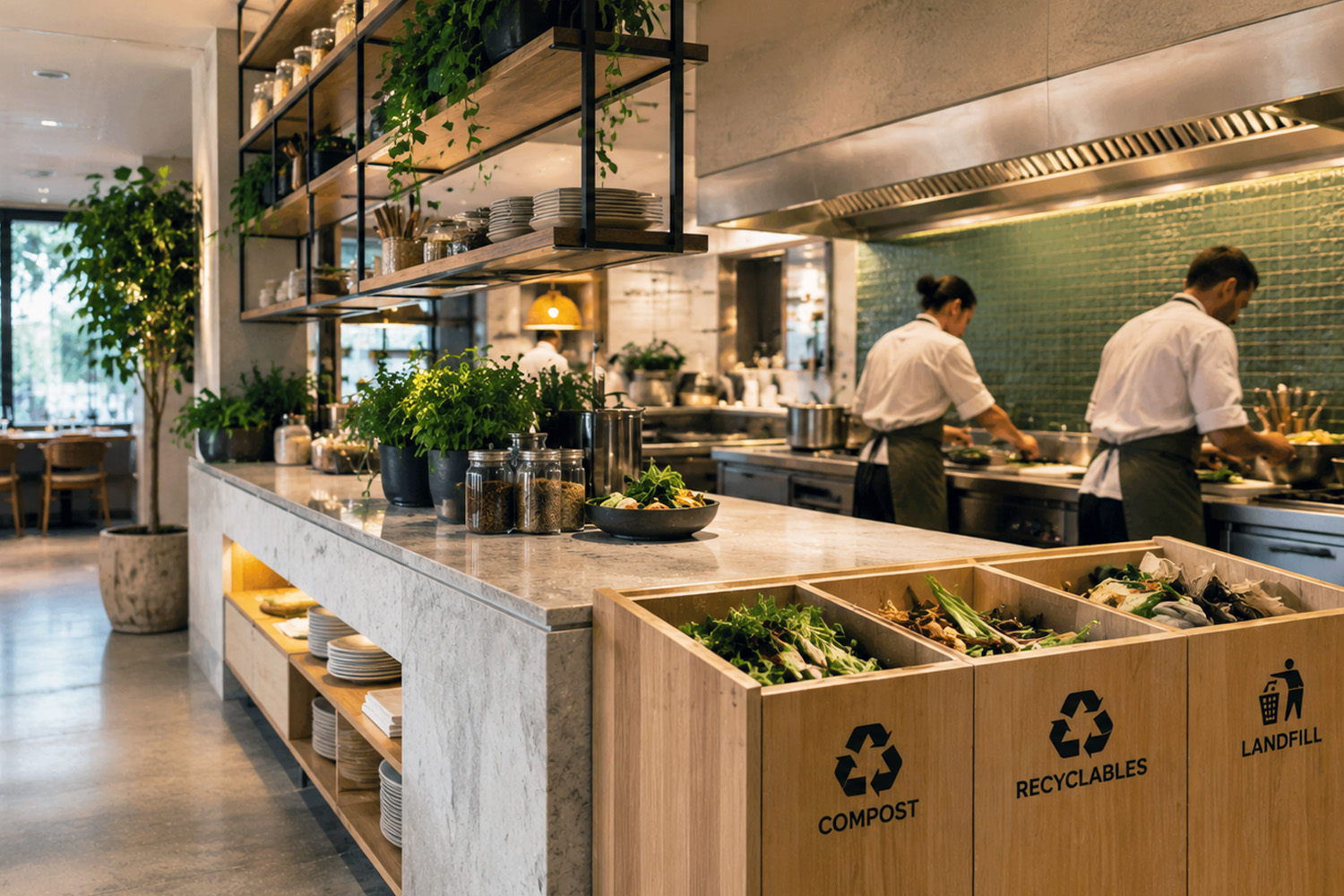
A diner may not drastically reduce household waste or abandon international travel, but choosing a restaurant that composts food scraps, sources locally, and repurposes ingredients provides a manageable form of ethical participation.
Importantly, this behavior is not purely altruistic.
Research into consumer psychology consistently shows that people value visible forms of “moral consumption”-actions that reinforce personal identity and social belonging.
Choosing sustainable dining experiences can become part of self-definition, particularly among urban professionals and younger travelers.
In this sense, zero-waste restaurants function not only as food businesses but also as cultural spaces where environmental values are publicly practiced.
The New Meaning of Luxury in Hospitality
One of the most interesting cultural transformations behind the zero-waste movement is the changing meaning of luxury.
Historically, luxury dining depended on scarcity and extravagance: imported seafood, exotic ingredients, and elaborate abundance.
Zero-waste restaurants increasingly redefine luxury around locality, craftsmanship, and restraint.
In many high-end kitchens, chefs now emphasize hyper-seasonal menus built around regional availability rather than global sourcing. Entire tasting menus may emerge from ingredients that conventional kitchens discard.
This shift reveals a growing tension between environmental responsibility and traditional consumer expectations.
For example, many diners increasingly perceive hand-crafted, locally sourced meals as more premium than globally standardized offerings.
The idea of exclusivity has evolved.
Instead of asking, “How expensive is this ingredient?” diners increasingly ask, “How thoughtfully was this meal created?”
This transformation mirrors broader lifestyle changes beyond restaurants.
Across fashion, travel, and home design, consumers increasingly equate authenticity and sustainability with sophistication.
Minimalism, repair culture, resale markets, and eco-conscious travel all reflect similar behavioral patterns.
Zero-waste dining therefore belongs to a wider cultural transition toward what might be called conscious luxury.
Technology Is Quietly Powering the Movement
Although zero-waste dining often appears artisanal and human-centered, technology plays a major role behind the scenes.
Restaurant software increasingly uses predictive analytics to reduce over-ordering and inventory loss. AI-assisted forecasting systems estimate customer demand with greater precision, helping kitchens avoid excess preparation.
Food preservation technologies have also expanded possibilities.
Advanced dehydration, fermentation, freezing, and preservation systems allow restaurants to extend ingredient life while creating new culinary products from what was once considered waste.
Apps connecting restaurants with surplus food buyers or charitable organizations have further reduced disposal rates.
Social media also influences behavior.
Platforms such as Instagram and TikTok transformed sustainability into something visually shareable.
Behind-the-scenes content showing chefs using “forgotten” ingredients or repurposing scraps into sophisticated dishes creates narratives of ingenuity rather than austerity.
This matters culturally because public visibility shapes consumer norms.
When sustainable behavior becomes socially aspirational, adoption accelerates.
In previous generations, waste reduction might have carried associations of financial necessity. Today, in many urban environments, sustainable dining increasingly signals education, awareness, and modernity.
The Economics Behind Zero-Waste Restaurants
Environmental values alone do not explain the rise of zero-waste dining.
Economic pressures matter significantly.
Food inflation, supply-chain instability, and rising operating costs have pushed restaurants to rethink efficiency.
Traditional restaurant economics are notoriously difficult. High ingredient waste directly reduces profit margins.
For many operators, reducing waste is becoming financially necessary rather than ideologically optional.
Repurposing ingredients, streamlining menus, and sourcing locally often improve cost control.
Smaller rotating menus, for example, reduce spoilage while allowing chefs greater flexibility.
This helps explain why zero-waste models increasingly appear not only in luxury dining but also in cafés, hotels, food halls, and casual restaurants.
The movement therefore reflects an unusual alignment between ethical values and business incentives.
When sustainability improves profitability, adoption tends to accelerate rapidly.
This alignment may be one reason zero-waste dining has moved beyond activist circles into mainstream hospitality.
Travel Culture and the Rise of Ethical Tourism
The growth of zero-waste restaurants also reflects changes in travel behavior.
Travelers increasingly seek experiences tied to local culture and environmental responsibility.
In many destinations, dining has become one of the most important components of experiential tourism.
Visitors increasingly ask not simply where to eat, but what values a place represents.
A zero-waste restaurant often serves as a cultural narrative about a city or country.
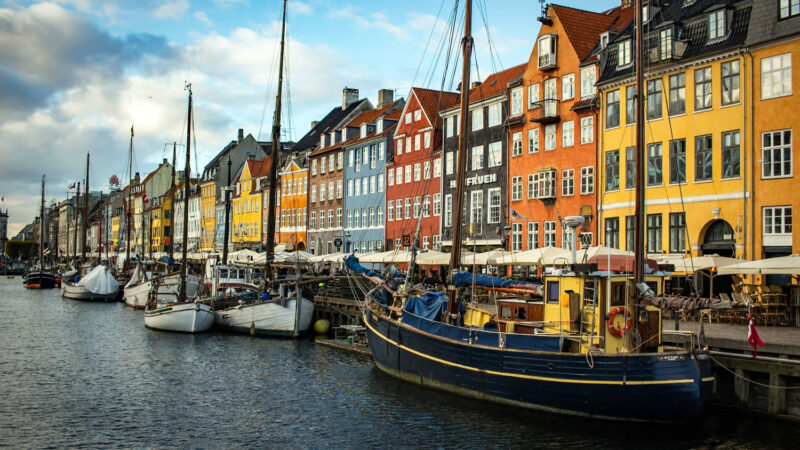
In Copenhagen, sustainable dining reflects Nordic minimalism and environmental priorities. In Japan, zero-waste food practices connect with longstanding cultural ideas around respect for ingredients and resourcefulness. In Mediterranean regions, local sourcing reflects traditions predating industrialized food systems.
Travelers increasingly seek authenticity through food.
Zero-waste restaurants benefit because they frequently offer hyper-local experiences difficult to replicate elsewhere.
This creates a feedback loop between tourism and sustainable hospitality.
As consumer demand for ethical travel increases, hospitality businesses gain incentives to integrate sustainability into their identities.
The Social Limits of Sustainable Dining
Despite growing popularity, zero-waste dining still faces important limitations.
Price accessibility remains uneven.
Many zero-waste restaurants remain concentrated in affluent urban areas and may carry premium pricing.
This raises a broader cultural question: can sustainable lifestyles scale without becoming markers of class distinction?
If sustainability becomes associated only with expensive experiences, broader adoption may slow.
Consumer behavior also remains inconsistent.
Studies repeatedly show a gap between environmental intentions and purchasing decisions. Many consumers support sustainability in theory but still prioritize convenience, affordability, or familiarity.
Restaurants must therefore balance idealism with practical expectations.
The most successful zero-waste models tend not to lecture consumers or emphasize sacrifice. Instead, they make sustainability feel enjoyable, seamless, and socially rewarding.
This suggests an important lesson about cultural change: people rarely adopt new behaviors solely because they are morally preferable.
They adopt them when those behaviors become convenient, aspirational, and emotionally satisfying.
Long-Term Cultural Implications
The rise of zero-waste restaurants may ultimately signal a deeper redefinition of modern consumption.
In the long term, hospitality may increasingly prioritize circular systems where waste is designed out rather than managed afterward.
Restaurants could become laboratories for broader behavioral change, influencing how households think about food storage, leftovers, and purchasing habits.
Younger generations exposed to these practices may normalize reduced waste in everyday life.
The implications extend beyond restaurants.
The movement reflects growing societal discomfort with visible excess and increasing interest in systems that appear more balanced, intentional, and ethically aligned.
If twentieth-century dining culture celebrated abundance, twenty-first-century dining may increasingly celebrate intelligence in consumption.
Conclusion
The rise of zero-waste restaurants is not simply a culinary trend or sustainability initiative. It reflects a broader cultural shift in how people understand consumption, identity, and responsibility.
Changing attitudes toward luxury, environmental awareness, economic pressure, and digital visibility are all reshaping dining behavior.
Zero-waste restaurants succeed because they align ethical concerns with human desires for quality, meaning, and social belonging.
Their popularity suggests that modern consumers increasingly value experiences that feel thoughtful rather than excessive.
In this sense, zero-waste dining is not merely about reducing trash. It represents a changing cultural definition of what it means to live-and consume-well.