Top 50 Electric Car Brands & Best EV Models (2026 Guide)
Electric vehicles (EVs) have moved from niche to mainstream. Global EV sales continue to grow year-over-year, led by Chinese manufacturers, U.S. innovators, and legacy automakers transitioning to battery platforms. For buyers, the challenge is no longer whether to buy an EV – but which one.
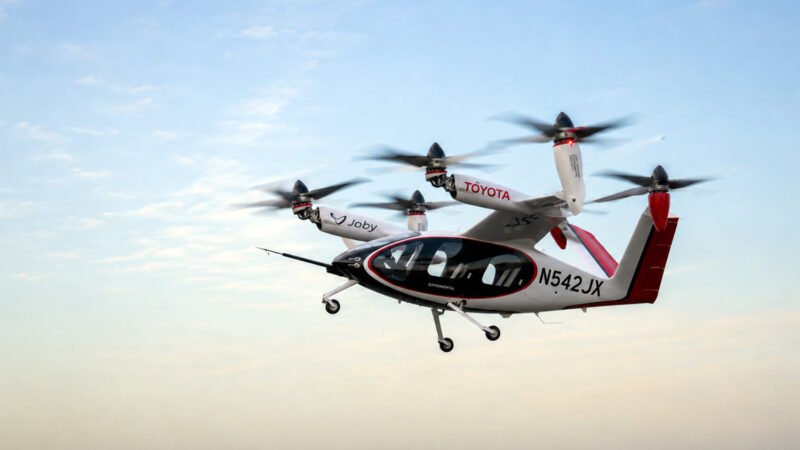
From giants like BYD and Tesla to fast-growing players such as Geely Auto, SAIC Motor, Rivian and Xiaomi, the market now spans hundreds of brands. Meanwhile, Toyota has confirmed expansion of its U.S. EV lineup by 2026.
Below is a curated professional guide to 50 leading EV brands, their standout models, positioning, and strengths.
Market Leaders (Global Scale & Technology)
1. Tesla (USA) – Model Y / Model 3
Range: 400–530 km | Price: $38k–$55k | Region: Global
Pros: Supercharger network, software, resale value
Cons: Minimal interior, build variability
2. BYD (China) – Seal / Atto 3
Range: 420–570 km | $20k–$45k | Global expansion
Pros: Blade battery tech, value pricing
Cons: Brand perception in some markets
3. Volkswagen (Germany) – ID.4 / ID.3
Range: 350–520 km | $35k–$50k | Europe, US, China
Pros: Balanced design, scale production
Cons: Software criticism
4. Hyundai (Korea) – Ioniq 5
Pros: Fast charging (800V), design
Cons: Availability varies
5. Kia (Korea) – EV6
Pros: Performance trims, warranty
Cons: Pricing creep
Premium & Performance EVs
- BMW – i4 / iX
- Mercedes-Benz – EQE / EQS
- Audi – Q8 e-tron
- Porsche – Taycan
- Lucid – Air
Pros: Performance, luxury tech
Cons: High price ($60k–$120k)
U.S. Innovation Segment
- Rivian – R1T / R1S
- Ford – Mustang Mach-E / F-150 Lightning
- Chevrolet – Equinox EV / Blazer EV
- GMC – Hummer EV
- Cadillac – Lyriq
Focus: SUVs and electric trucks.
China’s Expanding EV Ecosystem
- NIO – ET5
- XPeng – P7
- Li Auto – L9
- Zeekr – 001
- SAIC (MG) – MG4
- Geely – Geometry / Galaxy
- Jetour – EV SUV line
- Xiaomi – SU7
- Chery – eQ series
- Great Wall (ORA) – Funky Cat
- Leapmotor
- AITO
- Avatr
- Dongfeng
- BAIC
Pros: Competitive pricing ($15k–$40k), rapid innovation
Cons: Limited distribution outside Asia (varies by brand)
Japanese & Korean Transition Brands
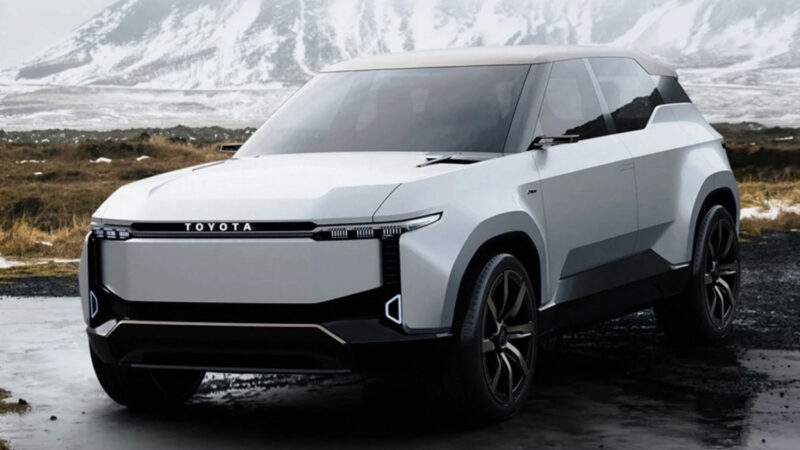
- Toyota – bZ4X (new U.S. EV planned by 2026)
- Nissan – Leaf / Ariya
- Honda – Prologue
- Subaru – Solterra
- Mazda – MX-30
European Specialists
- Volvo – EX30
- Polestar – Polestar 2
- Renault – Megane E-Tech
- Peugeot – e-208
- Skoda – Enyaq
- Cupra – Born
- Fiat – 500e
- Citroën – ë-C4
Emerging & Niche EV Makers
- Fisker
- VinFast
- BYTON (limited production history)
- Faraday Future
- Rimac (hypercar segment)
- Lotus (Eletre EV)
- Tata Motors (India EV leader)
Why It Matters
The EV market is shifting toward affordability, longer range (400–600 km standard), and fast charging under 30 minutes. Chinese manufacturers are reshaping global competition, while legacy automakers invest billions in electrification.
Buyers must consider:
- Real-world range
- Charging network access
- Battery warranty (typically 8 years)
- Regional service support
- Software ecosystem
Trend Impact
By 2026–2030, EVs are expected to dominate new car growth globally. Battery costs continue declining, while charging infrastructure expands in North America, Europe, and Asia. The competitive pressure from China is forcing Western automakers to accelerate innovation and reduce prices.
For consumers, this means more choice, better technology, and falling entry prices – but also greater complexity. A structured comparison is now essential before purchase.
EV Brand Comparison Table
| Brand | Leading EV Model | Approx Range (km) | Price Range (USD) | Main Sales Regions | Pros | Cons |
|---|---|---|---|---|---|---|
| Tesla | Model Y | 450–530 | 38,000–55,000 | Global | Strong range, Supercharger network | Minimalist interior, price volatility |
| BYD | Seal | 460–570 | 20,000–45,000 | Asia, Europe | Blade battery tech, value pricing | Limited US presence |
| Volkswagen | ID.4 | 350–520 | 35,000–50,000 | Global | Comfortable, global service network | Software issues reported |
| Hyundai | Ioniq 5 | 380–500 | 40,000–52,000 | Global | 800V fast charging | Rear visibility limits |
| Kia | EV6 | 370–500 | 42,000–55,000 | Global | Sporty variants, fast charging | Firm suspension (GT) |
| BMW | i4 | 350–480 | 55,000–65,000 | Global | Driving dynamics | Premium pricing |
| Mercedes-Benz | EQE | 400–610 | 70,000–90,000 | Global | Luxury interior | Expensive options |
| Audi | Q8 e-tron | 350–500 | 70,000–85,000 | Global | Build quality | Efficiency lower than rivals |
| Porsche | Taycan | 350–500 | 85,000–120,000 | Global | Performance leader | High cost |
| Lucid | Air | 520–830 | 80,000–130,000 | USA | Top-tier range | Limited service network |
| Rivian | R1T | 420–640 | 70,000–90,000 | USA | Off-road capability | Expensive |
| Ford | Mustang Mach-E | 370–490 | 45,000–60,000 | USA, Europe | Balanced SUV | Charging speed mid-tier |
| Chevrolet | Equinox EV | 370–480 | 30,000–45,000 | USA | Affordable entry | Limited trims |
| GMC | Hummer EV | 330–480 | 80,000–110,000 | USA | Extreme power | Heavy, inefficient |
| Cadillac | Lyriq | 375–500 | 60,000–80,000 | USA | Luxury SUV | Software updates ongoing |
| NIO | ET5 | 430–550 | 50,000–70,000 | China, Europe | Battery swapping | Limited outside China |
| XPeng | P7 | 460–600 | 45,000–60,000 | China, Europe | Advanced ADAS | Brand awareness growing |
| Li Auto | L9 | 180 EV-only* | 55,000–75,000 | China | Large tech-focused SUV | Primarily EREV platform |
| Zeekr | 001 | 540–640 | 60,000–80,000 | China, Europe | Premium positioning | Limited markets |
| SAIC (MG) | MG4 EV | 350–450 | 25,000–35,000 | Asia, Europe | Value for money | Interior basic |
| Geely | Geometry C | 350–450 | 25,000–40,000 | China | Competitive pricing | Limited global reach |
| Jetour | Jetour EV SUV | 350–450 | 25,000–40,000 | China | Affordable SUV | Emerging EV lineup |
| Xiaomi | SU7 | 550–700 | 40,000–55,000 | China | Strong tech integration | New automotive entrant |
| Chery | eQ1 | 250–350 | 15,000–25,000 | Asia | Budget city EV | Limited range |
| Great Wall (ORA) | ORA Funky Cat | 350–450 | 22,000–30,000 | China, Europe | Retro design | Compact size |
| Leapmotor | C11 | 450–550 | 30,000–45,000 | China | Strong specs/price | Brand developing |
| AITO | M5 | 200 EV-only* | 45,000–60,000 | China | Huawei tech integration | EREV platform focus |
| Avatr | Avatr 11 | 500–620 | 55,000–75,000 | China | Premium EV startup | Limited availability |
| Dongfeng | eπ 007 | 450–550 | 25,000–40,000 | China | Large production scale | Limited Western presence |
| BAIC | EU5 | 350–450 | 25,000–35,000 | China | Fleet popularity | Conservative design |
| Toyota | bZ4X | 350–450 | 40,000–55,000 | Global | Reliability brand | Range not class-leading |
| Nissan | Ariya | 360–500 | 40,000–60,000 | Global | Smooth ride | Charging slower vs 800V rivals |
| Honda | Prologue | 480+ | 45,000–60,000 | USA | GM Ultium platform | New EV strategy evolving |
| Subaru | Solterra | 350–450 | 40,000–55,000 | USA, Japan | AWD standard | Range moderate |
| Mazda | MX-30 EV | 200–260 | 30,000–38,000 | Japan, Europe | Premium interior | Short range |
| Volvo | EX30 | 320–420 | 35,000–48,000 | Global | Safety tech | Rear space limited |
| Polestar | Polestar 2 | 350–540 | 45,000–65,000 | Global | Performance design | Firm ride |
| Renault | Megane E-Tech | 350–470 | 35,000–45,000 | Europe | Efficient compact | Limited US presence |
| Peugeot | e-208 | 330–400 | 30,000–38,000 | Europe | Urban EV | Small cabin |
| Skoda | Enyaq | 380–525 | 37,000–52,000 | Europe | Spacious SUV | Software learning curve |
| Cupra | Born | 330–500 | 35,000–50,000 | Europe | Sporty styling | Rear space moderate |
| Fiat | 500e | 180–320 | 27,000–35,000 | Europe | City-friendly | Limited highway range |
| Citroën | ë-C4 | 340–420 | 32,000–42,000 | Europe | Comfort focus | Performance modest |
| Fisker | Ocean* | 440–560 | 35,000–60,000 | USA, Europe | Long range variants | Financial instability reported |
| VinFast | VF 8 | 400–500 | 35,000–55,000 | Asia, USA | Aggressive expansion | Mixed early reviews |
| BYTON* | M-Byte* | 400+ | 45,000–65,000 | China (limited) | Innovative concept | Production uncertain |
| Faraday Future | FF 91 | 380–500 | 150,000+ | USA | Ultra-luxury tech EV | Extremely expensive |
| Rimac | Nevera | 490 | 2,000,000+ | Europe | Hypercar performance | Limited production |
| Lotus | Eletre | 480–600 | 90,000–120,000 | Global | High performance SUV | Premium pricing |
| Tata Motors | Nexon EV | 325–465 | 18,000–30,000 | India | Affordable emerging market EV | Limited global availability |